
voltage ebike that feels like a traditional mountain bike but delivers just the right amount of electric assistance for longer, more enjoyable rides? The Scott Voltage eRIDE stands out as one of the most exciting options in the lightweight eMTB category. Designed for trail enthusiasts who want natural handling without sacrificing power or fun, this voltage ebike blends cutting-edge engineering with rider-focused innovation.
In this comprehensive guide, we’ll dive deep into everything you need to know about the Voltage eRIDE lineup—from its silent TQ motor and integrated battery system to real-world performance, model comparisons, maintenance tips, and buyer advice. Whether you’re upgrading from a non-electric bike or exploring your first voltage ebike, this post has you covered.
https://powerpedalse-bikes.com
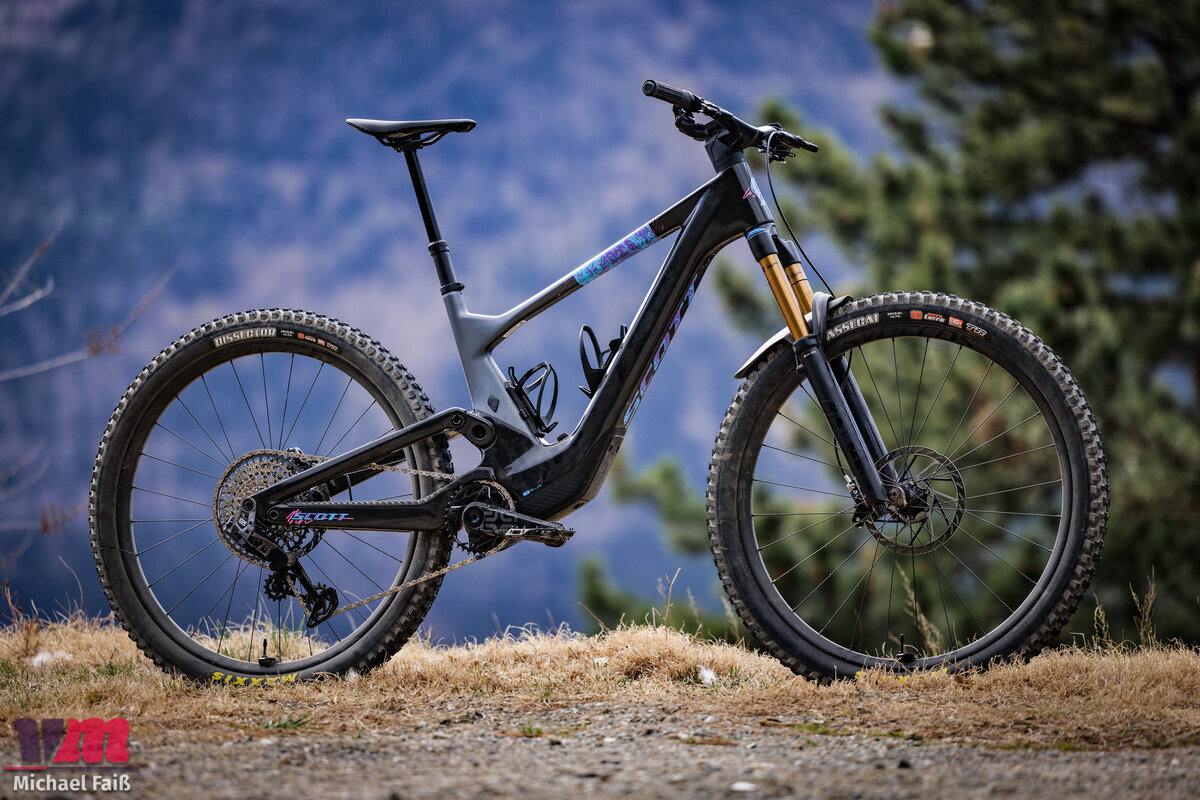
Scott Voltage eRide in the first test Outstanding all-rounder for sporty e- mountain bikers – Velomotion
What Is a Voltage eBike? Understanding the Scott Voltage eRIDE
The term “voltage ebike” often leads riders to the Scott Voltage eRIDE series, a premium lightweight electric mountain bike built for all-mountain and trail riding. Unlike heavy, high-torque eMTBs that can feel like motorcycles, the Voltage eRIDE prioritizes a natural pedal feel while adding subtle, seamless assistance.
At its core, the voltage ebike uses Scott’s advanced HMF carbon frame with 155mm rear travel and 160mm front travel. It pairs this with the ultra-compact TQ HPR50 motor (50Nm torque, 250W nominal/300W peak) and a 360Wh integrated downtube battery. For 2026 models, a 160Wh range extender is included as standard, boosting total capacity to 520Wh—perfect for all-day adventures without the bulk.

Scott relies on the TQ HPR50 for the new trail e-mtb Voltage eRide
This voltage ebike weighs in around 19kg (42 lbs) depending on the build, making it one of the lightest in its class. The result? A bike that climbs efficiently, descends with confidence, and handles like a non-assisted trail bike—only with extra “oomph” when you need it most.
Key Features That Make the Voltage eBike Stand Out
Scott didn’t just slap a motor on a regular bike. The voltage ebike features thoughtful integration that sets it apart:
- TQ HPR50 Motor: Whisper-quiet and compact enough to fit in your palm. It delivers natural, proportional assistance that feels like your best riding day—never overpowering. Riders consistently praise how it keeps pedaling input central to the experience.
- Integrated 360Wh + 160Wh Extender Battery: Hidden in the downtube for a clean look and low center of gravity. Removable downtube cover and easy-access door make maintenance a breeze.
- TwinLoc Suspension System: Allows on-the-fly adjustment between open, traction, and lockout modes for climbing efficiency or plush descending.
- Modern Geometry: 63.9° head tube angle, long reach, and optimized chainstays deliver stability at speed and playfulness on technical trails. Adjustable headset cups let you tweak the head angle without tools.
- Premium Components: Top models feature Fox Factory suspension, SRAM GX AXS Transmission, Syncros carbon cockpit, and Maxxis tires (Assegai front, Dissector rear).
- User-Friendly Details: Massive dropper post compatibility, organized cable routing, SAG indicator, and protective rubber-coated downtube cover.
These elements make the voltage ebike ideal for riders who want e-assist without the “e-bike” stigma—it’s stealthy, lightweight, and fun.
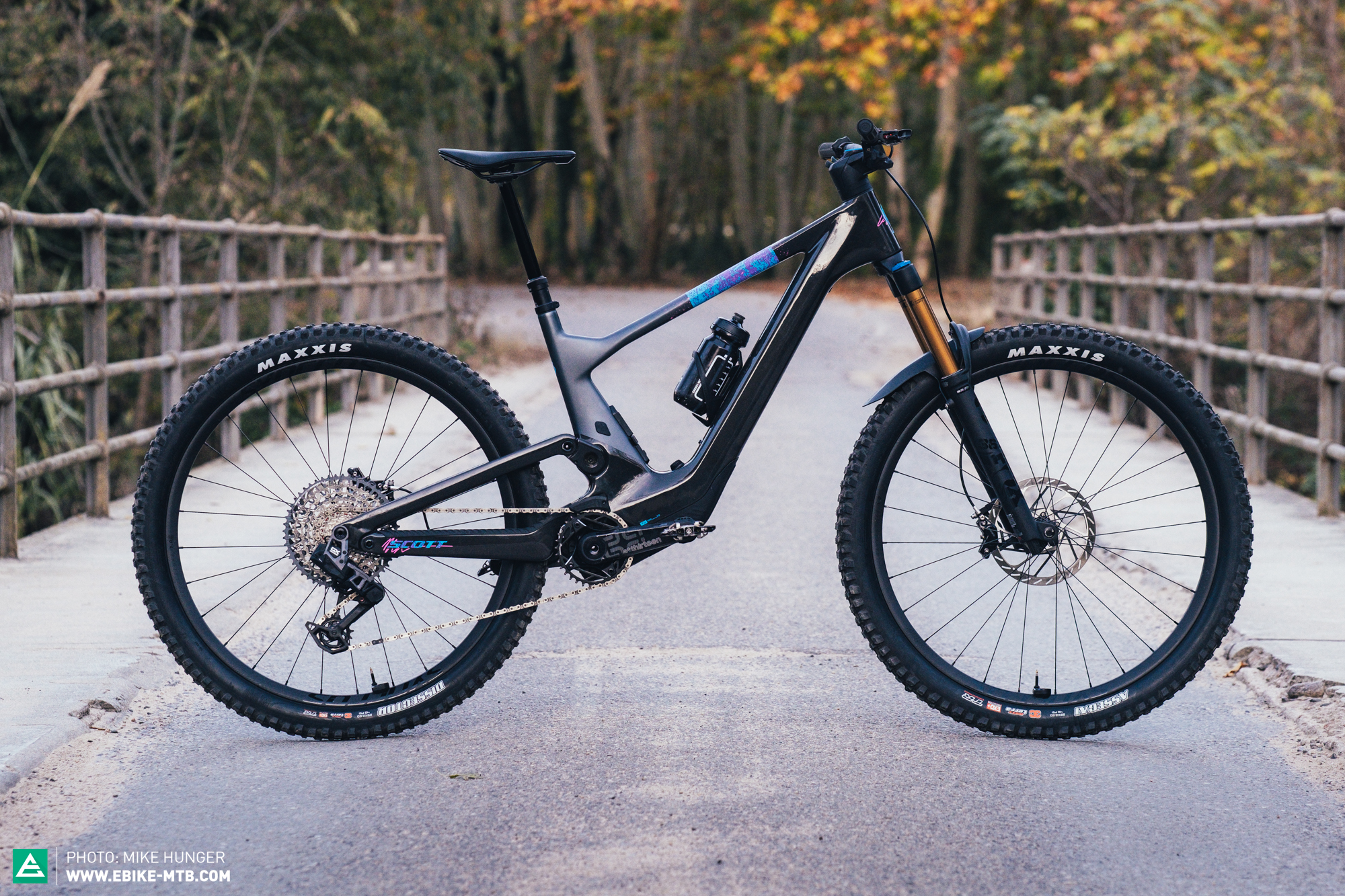
New SCOTT Voltage eRIDE 900 Tuned 2024 first ride review – The wizard of light eMTBs? | E-MOUNTAINBIKE Magazine
Voltage eBike Models: Which One Fits Your Riding Style?
Scott offers a range of voltage ebike builds to suit different budgets and preferences:
- Voltage eRIDE 900 Tuned (Flagship): ~$9,350–$11,000. Full Fox Factory suspension, carbon wheels, electronic shifting. Perfect for aggressive trail and enduro riders who demand the best.
- Voltage eRIDE 910: Mid-range option with solid performance components. Great balance of value and capability.
- Voltage eRIDE 920 (Entry-Level): Starts around $6,500. Still shares the same frame, motor, and battery but with slightly more affordable parts—ideal for first-time voltage ebike buyers.
- Contessa Voltage eRIDE (Women’s-specific): Same tech tailored for female riders with adjusted fit and components.
All models share the core voltage ebike DNA: same motor, battery, and frame technology. The differences are mainly in suspension, wheels, and drivetrain quality.
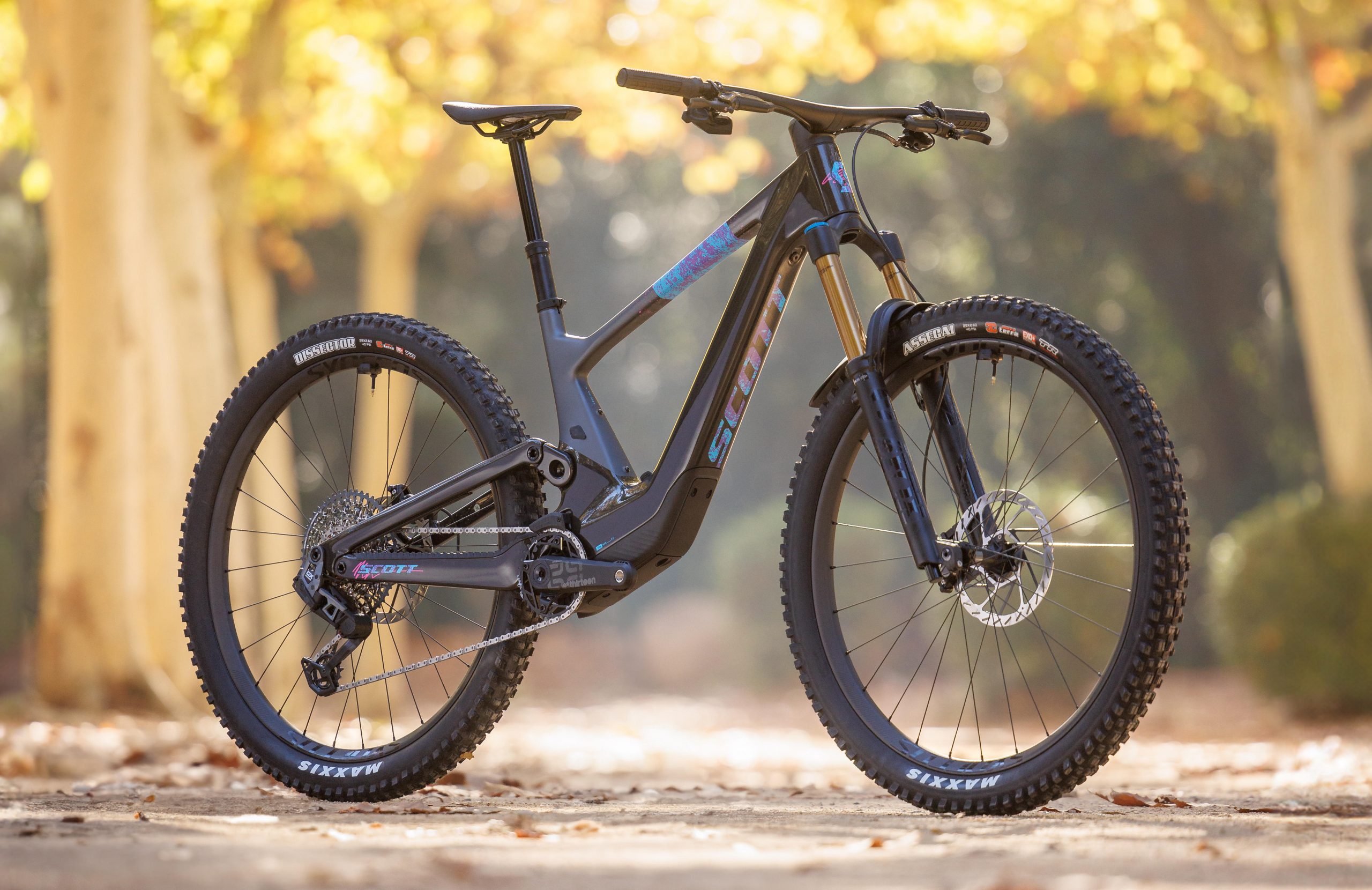
Scott’s 2024 Voltage eRide 900 Tuned mid-power e-bike prioritises grins over grams and is all the better for it – MBR
Real-World Performance: Riding the Voltage eBike
Reviewers and riders rave about how the voltage ebike transforms trail days. On climbs, the TQ motor provides smooth, efficient help without killing your cadence—great for technical singletrack where you still feel connected to the bike.
Descending is where it shines: the supple suspension and balanced geometry soak up rough terrain while remaining playful. It’s not a “point-and-shoot” power e-bike; instead, it rewards skill and encourages active riding.
Battery life is impressive for a lightweight system—expect 2–4 hours of mixed riding, extendable with the included range extender. The quiet operation means you hear the trail, not the motor.
Common feedback from tests:
- “Feels like you on your best day.”
- Exceptional integration and natural handling.
- Lightweight enough to forget it’s electric—until you need that extra push.
Pros and Cons of the Scott Voltage eBike
Pros:
- Ultra-natural assist and quiet motor.
- Lightweight and agile for a full-suspension eMTB.
- Top-tier build quality and maintenance-friendly design.
- Versatile for trail, all-mountain, and even light enduro.
- Included range extender in 2026 models.
Cons:
- Mid-power motor may feel underpowered for very steep, technical climbs compared to 85Nm+ systems.
- Premium pricing (though justified by components).
- Battery capacity is modest without the extender.
Overall, if you value ride feel over raw power, the voltage ebike is hard to beat.
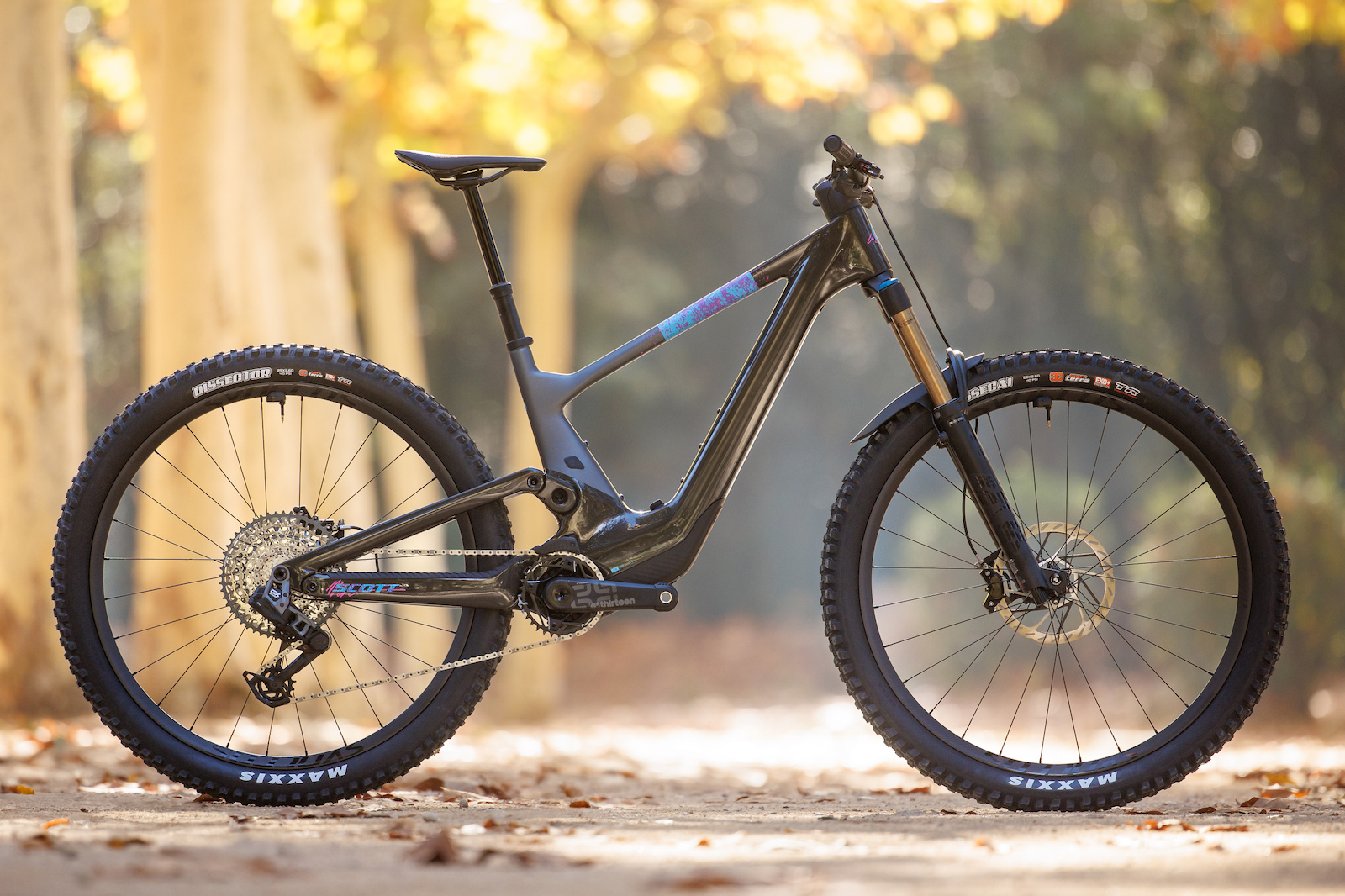
First Ride: Scott Voltage – The Electric Genius – Pinkbike
Maintenance and Ownership Tips for Your Voltage eBike
Owning a voltage ebike is straightforward thanks to Scott’s design:
- Battery Care: Charge regularly; store at 50–70% for long-term health. The TQ system includes Bluetooth app integration for diagnostics.
- Suspension Service: Easy shock access via downtube door—quarter-turn removal.
- Cleaning: Removable covers protect components; rinse gently and avoid high-pressure washers on electronics.
- Warranty: Standard Scott coverage plus TQ motor/battery support. Dealer service recommended for major work.
With proper care, your voltage ebike will deliver years of reliable performance.
Why Choose a Voltage eBike in 2026?
In a crowded e-bike market, the Scott Voltage eRIDE excels by staying true to mountain biking roots. It’s not the most powerful or longest-range voltage ebike on paper, but it delivers the most enjoyable, confidence-inspiring ride for real trails.
If you ride 2–4 times a week, want to tackle bigger loops, or simply hate walking climbs, this voltage ebike could be your perfect match. It’s especially appealing for experienced riders transitioning to electric assistance without losing the “bike” feel.
Frequently Asked Questions About the Voltage eBike
Is the Voltage eRIDE street-legal? Yes—it’s a Class 1 pedal-assist e-bike (max 20mph/25km/h assist in most regions).
How much does a voltage ebike cost? From around $6,500 for the 920 up to $11,000+ for the 900 Tuned.
What’s the weight limit? Payload capacity is approximately 282 lbs (rider + gear).
Can I add the range extender later? 2026 models include it; earlier models are compatible.
Final Thoughts: Is the Voltage eBike Right for You?
The Scott Voltage eRIDE proves that a great doesn’t need massive power or huge batteries to be transformative. It amplifies your riding without changing the essence of mountain biking—quiet, lightweight, and incredibly capable.
