
In an era where sustainable transportation is more important than ever, electric bikes have surged in popularity. Among the various types available, the class 2 electric bike stands out for its versatility and user-friendly features. Whether you’re commuting through city streets, exploring light trails, or simply looking for an effortless way to get around, this category offers a perfect blend of power and accessibility. In this comprehensive guide, we’ll dive deep into everything you need to know about class 2 electric bikes, from their core mechanics to the best models on the market this year.
As urban areas become more congested and environmental concerns grow, many riders are turning to these bikes as a practical alternative to cars or traditional bicycles. With the ability to reach speeds up to 20 mph without constant pedaling, a class 2 electric bike can make your daily routine more enjoyable and efficient. Let’s explore what makes them tick and why they might be the right choice for you.
What Exactly Is a Class 2 Electric Bike?
A class 2 electric bike is defined by its motor assistance system, which includes both pedal-assist and throttle capabilities. Unlike purely pedal-powered bikes, these models feature an electric motor that can propel the bike up to a maximum assisted speed of 20 miles per hour. The key distinguishing feature is the throttle, often a thumb lever or twist grip on the handlebar, allowing you to move forward without pedaling at all.
This classification was established to standardize electric bikes across the United States, making it easier for riders, manufacturers, and regulators to understand their capabilities. Typically, the motor is limited to 750 watts or less, ensuring it’s not overpowering for everyday use. Most class 2 electric bikes come equipped with a battery integrated into the frame, powering the hub or mid-drive motor.
For beginners or those with mobility challenges, the throttle mode is a game-changer. It provides instant power for starting from a stop or climbing gentle hills. Pedal-assist levels, usually adjustable via a handlebar display, kick in when you start pedaling, amplifying your effort for a smoother ride. This dual functionality makes the class 2 electric bike ideal for a wide range of users, from casual commuters to recreational riders.
To visualize, here’s a typical example of a sleek commuter-style class 2 electric bike:
https://powerpedalse-bikes.com
Ebike Classes 1, 2, and 3: How Do They Differ?
And for those who prefer a folding option for easy storage:
Ebike Classes 1, 2, and 3: How Do They Differ?
These designs highlight how adaptable class 2 electric bikes can be, fitting into various lifestyles without compromising on performance.
How Does a Class 2 Electric Bike Differ from Other Classes?
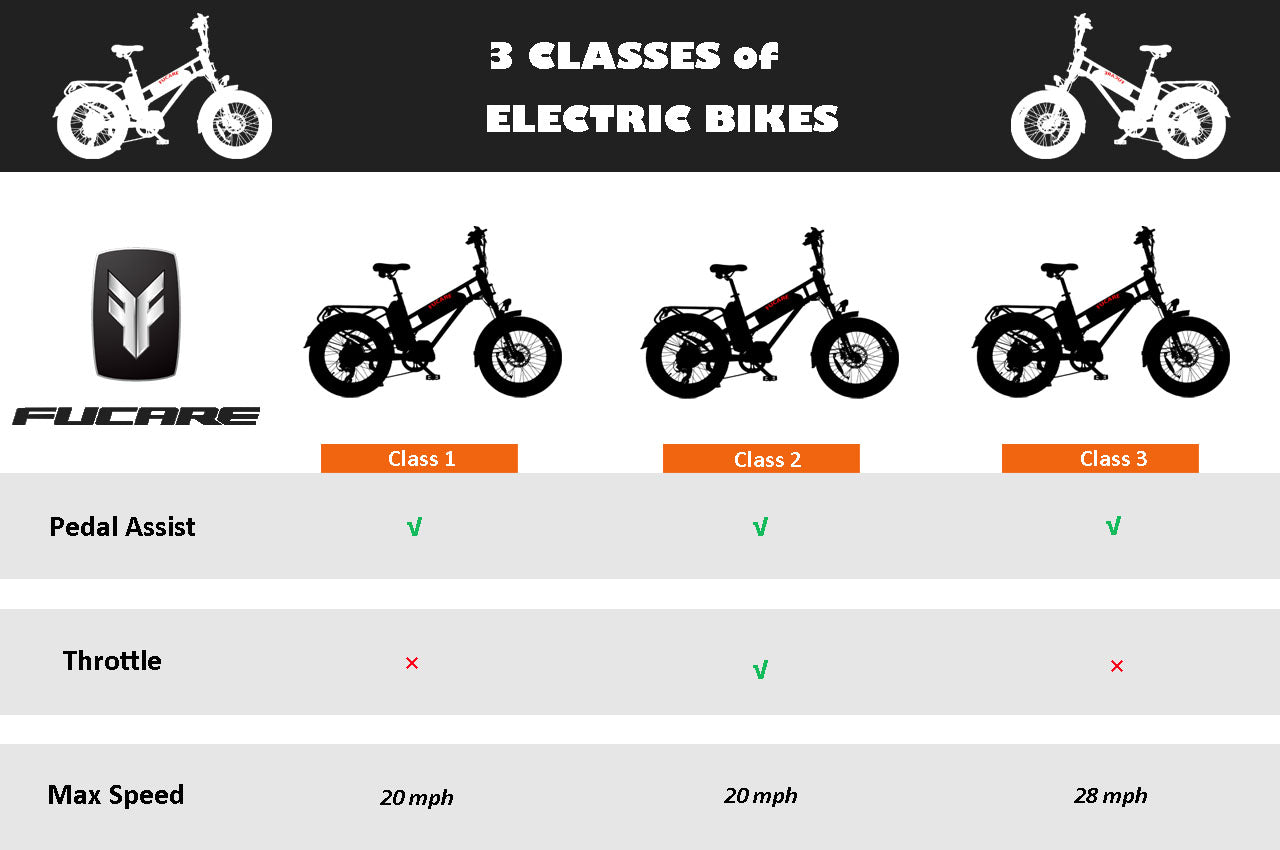
Understanding the differences between electric bike classes is crucial for choosing the right one. The three main categories—Class 1, Class 2, and Class 3—are based on speed limits, motor assistance types, and usage regulations.
- Class 1: These bikes offer pedal-assist only, with no throttle. The motor cuts off at 20 mph, making them suitable for bike paths and trails where throttles might be restricted. They’re great for fitness-oriented riders who want a boost but still plan to pedal actively.
- Class 2: As mentioned, these include both pedal-assist and throttle, also capping at 20 mph. This makes the class 2 electric bike more versatile for urban environments or for riders who may need a break from pedaling.
- Class 3: Pedal-assist only (sometimes with optional throttles limited to lower speeds), but they can reach up to 28 mph. They’re faster and often require helmets, with age restrictions in some areas, limiting their use on certain paths.
Here’s a quick comparison table for clarity:
| Feature | Class 1 | Class 2 Electric Bike | Class 3 |
|---|---|---|---|
| Max Assisted Speed | 20 mph | 20 mph | 28 mph |
| Assistance Type | Pedal-assist only | Pedal-assist + Throttle | Pedal-assist (throttle optional, limited) |
| Typical Use | Trails, fitness rides | Commuting, casual | Longer commutes, speed-focused |
| Restrictions | Allowed on most bike paths | Similar to Class 1, but check local laws | Often road-only, age 17+ |
This infographic sums it up nicely:
![E-Bike Classifications Explained in 3 Easy Steps [2026]](https://therounduporg.s3.us-east-2.amazonaws.com/ebikes-class-comparison-infographic.jpg)
E-Bike Classifications Explained in 3 Easy Steps [2026]
Or this alternative chart for a different perspective:
Top electric bike rankings Top Sellers Electric Bike Classes Class 1 vs 2 vs 3 Comparison
The class 2 electric bike strikes a balance, offering throttle convenience without the higher speeds that might lead to stricter rules.
Key Benefits of Owning a Class 2 Electric Bike
Why choose a class 2 electric bike over other options? The advantages are numerous, catering to both practical and recreational needs.
First, the throttle feature provides effortless propulsion, which is especially helpful for starting on inclines or when you’re carrying groceries. This reduces physical strain, making it accessible for older adults or those recovering from injuries. Combined with pedal-assist, you can customize your effort level, turning a sweaty commute into a breeze.
Environmentally, these bikes promote greener travel by reducing reliance on gas-powered vehicles. With ranges often exceeding 40-80 miles per charge, depending on the model, they’re efficient for daily errands or weekend adventures.
Cost savings are another perk. Charging a battery costs pennies compared to fueling a car, and maintenance is simpler without complex engines. Plus, in many areas, class 2 electric bikes can use bike lanes and paths, avoiding traffic jams.
Health benefits shouldn’t be overlooked. While the throttle allows for lazy days, pedaling with assistance encourages more frequent rides, improving cardiovascular health without overexertion.
Imagine cruising a scenic trail with ease:

What Is a Class 2 Electric Bike?
Or tackling off-road paths:
Oregon Parks and Recreation considers changes to e-bike rules – BikePortland
These scenarios showcase how a class 2 electric bike enhances outdoor experiences.
How a Class 2 Electric Bike Works: Breaking Down the Mechanics
At its core, a class 2 electric bike integrates an electric motor, battery, and controller with a traditional bicycle frame.
The motor, usually in the rear hub, provides power through pedal sensors or the throttle. When you twist the throttle—often a half-twist or thumb style—the controller sends energy from the battery to the motor, propelling the wheels.
Here’s a look at common throttle mechanisms:

Exploring How Electric Bike Throttles Work and Their Legal Status
Batteries are typically lithium-ion, ranging from 36V to 48V, offering 20-100 miles of range based on terrain, weight, and usage. Charging takes 4-6 hours via a standard outlet.
Safety features like regenerative braking and LED lights are common, enhancing control and visibility.
Legal Considerations for Class 2 Electric Bikes
Laws vary by state, but generally, class 2 electric bikes are treated like traditional bicycles. No license or registration is needed in most places, but helmets are required for minors.
In Florida, for example, they can be ridden on roads, bike lanes, and paths, but local ordinances may restrict sidewalks. Always check PeopleForBikes for state-specific rules.
Internationally, regulations differ; in Europe, throttles are limited.
Buying Guide: What to Look for in a Class 2 Electric Bike
When shopping, consider:
- Battery Life and Range: Aim for at least 500Wh for longer rides.
- Motor Power: 500-750W for balanced performance.
- Frame and Build: Aluminum for durability, step-through for ease.
- Brakes and Tires: Hydraulic discs and puncture-resistant tires.
- Price: Entry-level at $1,000, premium up to $3,000.
Brands like Aventon and Himiway offer great warranties.
Top Class 2 Electric Bike Models in 2026
Based on recent reviews, here are standout picks:
- Aventon Soltera 2.5: Sleek, under $1,000, ideal for urban commuting. Lightweight with a 40-mile range.
Ebike Classes 1, 2, and 3: How Do They Differ?
- Himiway A7 Commuter: All-terrain with 80-mile range, perfect for versatility.
- Lectric XP4: Folding design, affordable at $1,399, great for storage.
- Velotric Discover 2: Senior-friendly with ergonomic features.
- Ride1Up Vorsa: SUV-style for rugged use.
These models represent the best in innovation for 2026.
Maintenance Tips for Your Class 2 Electric Bike
Keep your bike in top shape by:
- Charging the battery regularly, avoiding full depletion.
- Cleaning the chain and checking tire pressure monthly.
- Storing indoors to protect from elements.
Professional servicing annually ensures longevity.
Conclusion: Is a Class 2 Electric Bike Right for You?
If you’re seeking a fun, efficient, and eco-friendly way to travel, a class 2 electric bike could be your perfect match. With their throttle-assisted ease and broad accessibility, they open up cycling to more people than ever. As technology advances in 2026, these bikes continue to evolve, offering better ranges and smarter features. Research local options, test ride a few, and hit the road with confidence. Happy riding!
