
Electric bikes, or e-bikes, have become a popular choice for commuters, recreational riders, and those looking to tackle New Zealand’s hilly terrain with ease. They offer pedal assistance that makes cycling more accessible, eco-friendly, and enjoyable. However, to ride legally and safely, it’s essential to understand the electric bike laws NZ. This comprehensive guide covers everything you need to know about e-bike regulations in New Zealand as of 2026, based on official guidance from Waka Kotahi NZ Transport Agency.
Whether you’re new to e-bikes or a seasoned rider, knowing these rules helps you avoid fines, stay safe, and enjoy the ride. Let’s dive into the details.

https://powerpedalse-bikes.com
Ride to the Sky E-bike Tour | Queenstown Adventure | Go New Zealand
What Qualifies as an Electric Bike in New Zealand?
In New Zealand, an electric bike is officially known as a power-assisted cycle. According to Waka Kotahi, it must meet these key criteria:
- It features an auxiliary electric motor with a combined maximum power output of no more than 300 watts.
- The bike is designed to be primarily propelled by the rider’s muscular energy (pedalling).
- The motor provides assistance only when the rider is pedalling or using a throttle (throttles are allowed).
If your e-bike meets these standards, it is not classified as a motor vehicle. This means it follows the same rules as a traditional bicycle. E-bikes exceeding 300W are typically treated as mopeds or motorcycles, requiring registration, a warrant of fitness (WoF), and a driver’s licence.
This 300W limit is the core of electric bike laws NZ, making compliant e-bikes simple and accessible for everyday use.
Do You Need a Licence or Registration?
No! Compliant e-bikes (≤300W) do not require:
- A driver’s licence
- Vehicle registration
- A warrant of fitness (WoF)
- Insurance (though personal liability insurance is recommended)
This classification keeps e-bikes affordable and easy to own. For more powerful models, different rules apply—consult Waka Kotahi if your e-bike pushes beyond 300W.
Speed Limits and Motor Assistance Rules
Unlike many countries (e.g., Europe with 25 km/h cut-offs), New Zealand does not impose a legal maximum assisted speed for compliant e-bikes. You can reach higher speeds with pedalling, but you must obey general road speed limits and ride safely.
Waka Kotahi recommends:
- A 25 km/h cut-out for beginners to build confidence.
- Up to 32 km/h for experienced riders on roads.
Always ride within your skill level—e-bikes are heavier and can accelerate faster than regular bikes.
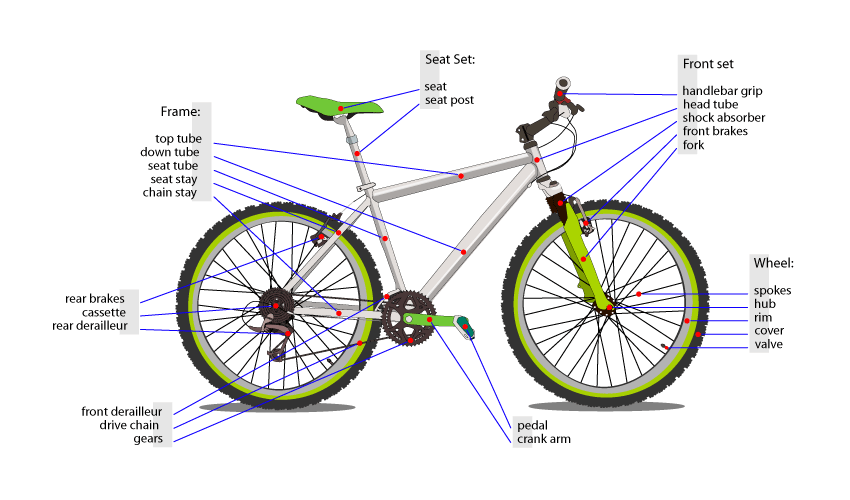
How An Electric Bike Works | Simply How eBikes Work
Helmet Requirements Under Electric Bike Laws NZ
Helmet use is mandatory for all cyclists in New Zealand, including e-bike riders. The rule has been in place since 1994:
- You must wear an approved cycle helmet.
- Passengers (including children in seats or trailers) must also wear helmets.
- Fine for non-compliance: $55.
Even on shared paths or off-road trails, helmets are required. Choose a well-fitted, certified helmet for the best protection.
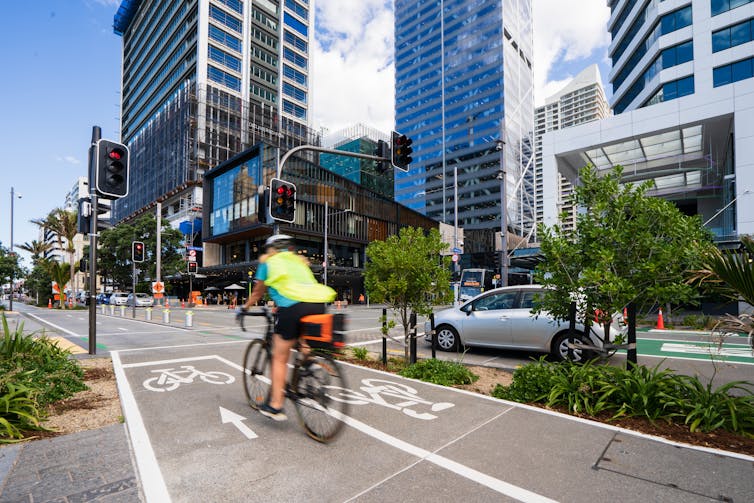
E-bikes for everyone: 3 NZ trials show people will make the switch …
Where Can You Ride Your E-Bike?
Compliant e-bikes follow the same access rules as regular bicycles:
- Roads: Ride on the left, as close to the edge as safe. Use cycle lanes where available.
- Cycle paths and shared paths: Welcome! Keep speeds reasonable and give way to pedestrians.
- Footpaths: Generally allowed unless signed otherwise. Ride considerately and give way to pedestrians.
- Off-road trails: Many allow e-bikes, but check local rules—some conservation lands or mountain bike parks may restrict motorised assistance.
- Prohibited areas: Cycle-only lanes (designed solely for cyclists) may exclude other low-powered vehicles in some cases, but e-bikes usually fit.
Always prioritise safety on shared spaces—use low power modes and announce passes.

Central Auckland E-Bike Tour
Age Requirements and Passenger Rules
There is no minimum age to ride a compliant e-bike, but younger riders must follow general cycling safety guidelines.
- Children under 15 can ride on footpaths.
- Passengers are allowed if the bike has appropriate child seats or trailers.
- Helmets are mandatory for all.
Supervise young riders closely, as e-bikes handle differently from regular bikes.
Additional Safety Tips for E-Bike Riders
E-bikes require extra awareness:
- Practise handling: They’re heavier, especially with a battery, so test braking, turning, and power levels in a safe area.
- Visibility: Wear bright clothing, use lights (mandatory at night), and signal turns.
- Battery care: Follow manufacturer guidelines for charging and storage.
- Shared paths: Use low assist levels to match other users’ speeds.
- Intersections: Position yourself visibly and make eye contact with drivers.
Following these tips aligns with electric bike laws NZ and promotes safer roads for everyone.
What If Your E-Bike Exceeds 300W?
Higher-powered e-bikes (e.g., electric dirt bikes or models over 300W) fall into different categories:
- Up to 50 km/h capability: May qualify as a moped (requires registration, licence).
- Over 50 km/h: Treated as a motorcycle.
These require a driver’s licence, registration, and compliance with motor vehicle standards. Police have issued warnings about unregistered high-powered models on public roads.
Final Thoughts on Electric Bike Laws NZ
New Zealand’s electric bike laws NZ make e-bikes a straightforward, enjoyable transport option. With a 300W limit, no licensing or registration for compliant models, and the same access as regular bikes, it’s easy to get started. Always prioritise safety—wear a helmet, ride considerately, and stay informed via Waka Kotahi resources.
As e-bike popularity grows, these rules support sustainable transport while keeping roads safe. Ready to ride? Check your e-bike’s specs, grab your helmet, and explore New Zealand’s stunning landscapes legally and confidently.
Safe riding!

New Zealand E-Bike Adventure | Active Adventures
