
Electric bikes, or ebikes, have exploded in popularity across Australia as an eco-friendly, efficient way to commute, exercise, and explore. But with this rise comes the need to understand ebike regulations Australia to ensure you’re riding legally and safely. Whether you’re a new rider or a seasoned enthusiast, navigating the rules can be tricky due to national standards and slight state variations. In this comprehensive guide, we’ll break down everything you need to know about ebike regulations Australia, from power limits to where you can ride, updated for 2026.
https://powerpedalse-bikes.com
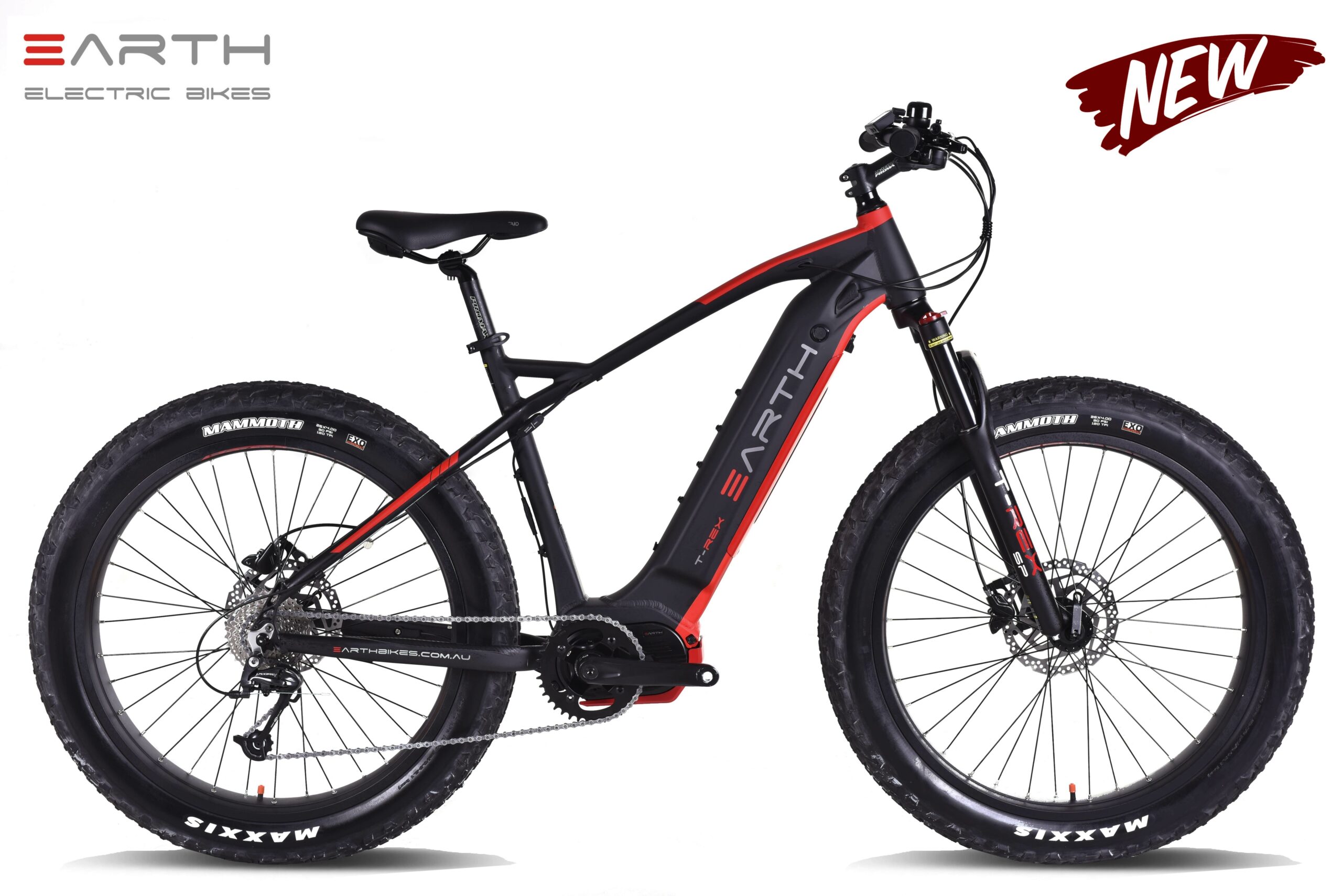
E-Fat | Earth Bikes
What Exactly Is an Ebike Under Australian Law?
Before diving into the specifics of ebike regulations Australia, it’s essential to define what qualifies as an ebike. According to federal guidelines, an ebike is essentially a bicycle equipped with an electric motor that assists the rider while pedaling. The key is that it must primarily be propelled by human power—the motor is there to help, not to do all the work.
In Australia, ebikes are classified into two main types:
- Power-Assisted Pedal Cycles (PABs): These have a motor up to 200 watts and require constant pedaling for assistance.
- Pedelecs (Electrically Power-Assisted Cycles – EPACs): The most common type, with motors up to 250 watts, assistance cuts off at 25 km/h, and they must comply with the European Standard EN 15194.
If your bike exceeds these limits, it might be classified as a motorcycle or moped, requiring registration, licensing, and insurance. Always check for the EN 15194 certification when buying to ensure compliance with ebike regulations Australia.
National Ebike Standards: The Foundation of Ebike Regulations Australia
Australia’s ebike regulations are largely harmonized at the national level, but enforcement happens at the state and territory level. The Australian Vehicle Standards define ebikes as non-motor vehicles if they meet specific criteria.
Key national requirements include:
- Motor Power: Maximum continuous power output of 250 watts (previously 500 watts in some states, but standardized in 2026).
- Speed Limit: Motor assistance must cut off at 25 km/h. You can pedal faster, but the motor won’t help beyond this.
- Weight Limit: The bike, including batteries, cannot exceed 50 kg.
- Pedal Assist Only: No throttle-only operation for standard ebikes; you must pedal to engage the motor (with some exceptions for low-speed starts up to 6 km/h).
- Height-Adjustable Seat: Ensures it’s usable like a traditional bicycle.
In late 2025, the federal government banned imports of ebikes exceeding 250 watts to align with European standards, addressing safety concerns from overpowered models. This change has made ebike regulations Australia stricter, reducing the influx of non-compliant bikes.
E Bike Regulations – The Essential Guide | Sunmono E-Bikes – Sunmono
State-by-State Variations in Ebike Regulations Australia
While national standards provide the baseline, each state and territory has nuances in how they apply ebike regulations Australia. Here’s a breakdown:
New South Wales (NSW)
NSW recently transitioned from allowing 500-watt ebikes to the national 250-watt limit in 2026. Riders must wear helmets, and ebikes can be used on roads, bike paths, and shared paths. No license or registration is needed for compliant models, but fines apply for speeding or using non-compliant bikes.
Queensland (QLD)
In Queensland, ebikes must adhere to the 250-watt and 25 km/h rules. You can ride on bike lanes and paths, but always yield to pedestrians. Helmets are mandatory, and carrying passengers is only allowed if the bike is designed for it.
Victoria (VIC)
Victoria follows the national standard strictly. Ebikes are treated like regular bicycles, so no registration required. However, riders under 16 need supervision on roads. Focus on safe riding: use lights at night and reflective gear.
Western Australia (WA)
WA emphasizes the EN 15194 standard. Ebikes can be ridden on paths and roads, but throttle-equipped models are limited. Check local council rules for off-road use.
South Australia (SA), Tasmania (TAS), Australian Capital Territory (ACT), and Northern Territory (NT)
These regions align closely with federal ebike regulations Australia, with 250 watts and 25 km/h as the caps. Helmets are required everywhere, and ebikes are banned on footpaths in some urban areas to protect pedestrians.
For a quick comparison:
| State/Territory | Max Power | Max Assisted Speed | Helmet Required | License Needed |
|---|---|---|---|---|
| NSW | 250W | 25 km/h | Yes | No |
| QLD | 250W | 25 km/h | Yes | No |
| VIC | 250W | 25 km/h | Yes | No |
| WA | 250W | 25 km/h | Yes | No |
| SA | 250W | 25 km/h | Yes | No |
| TAS | 250W | 25 km/h | Yes | No |
| ACT | 250W | 25 km/h | Yes | No |
| NT | 250W | 25 km/h | Yes | No |
Power and Speed Limits: Core of Ebike Regulations Australia
The heart of ebike regulations Australia revolves around power and speed to ensure safety. All legal ebikes must have a motor that provides no more than 250 watts of continuous power. Peak power can be higher, but the average must stay within limits.
Speed-wise, the motor cuts out at 25 km/h, promoting pedaling for higher speeds. Exceeding this via modifications can reclassify your ebike as a motor vehicle, leading to legal issues.

Are E-Bikes Legal in Australia? | E-Ride Solutions
Helmet and Safety Requirements
Safety is paramount in ebike regulations Australia. Helmets are mandatory nationwide for all riders, regardless of age or bike type. Look for helmets meeting Australian Standard AS/NZS 2063.
Additional safety tips:
- Use front and rear lights, plus reflectors, for night riding.
- Wear high-visibility clothing.
- Maintain your ebike: Check brakes, tires, and battery regularly.
In 2026, there’s increased emphasis on battery safety to prevent fires, so opt for UL-certified batteries.

E-Bike Safety Tips Every Australian Rider Should Know (2025 …
Where Can You Ride Your Ebike?
Under ebike regulations Australia, compliant ebikes can be ridden where regular bicycles are allowed:
- Bike lanes and paths.
- Shared paths (give way to pedestrians).
- Roads (follow traffic rules).
- Some off-road trails, but check national parks restrictions.
Ebikes are generally prohibited on footpaths in built-up areas, except for young riders or in specific low-speed zones. Always obey signage to avoid fines.

Can you ride an electric bike on the footpath in NSW? – Beaches …
Licensing, Registration, and Insurance
One of the perks of ebike regulations Australia is simplicity: No driver’s license or registration is required for standard 250-watt pedelecs. They’re treated like pushbikes.
However, if your ebike has a throttle or exceeds limits, it may need registration as a moped. Insurance isn’t mandatory but recommended for theft or accidents.
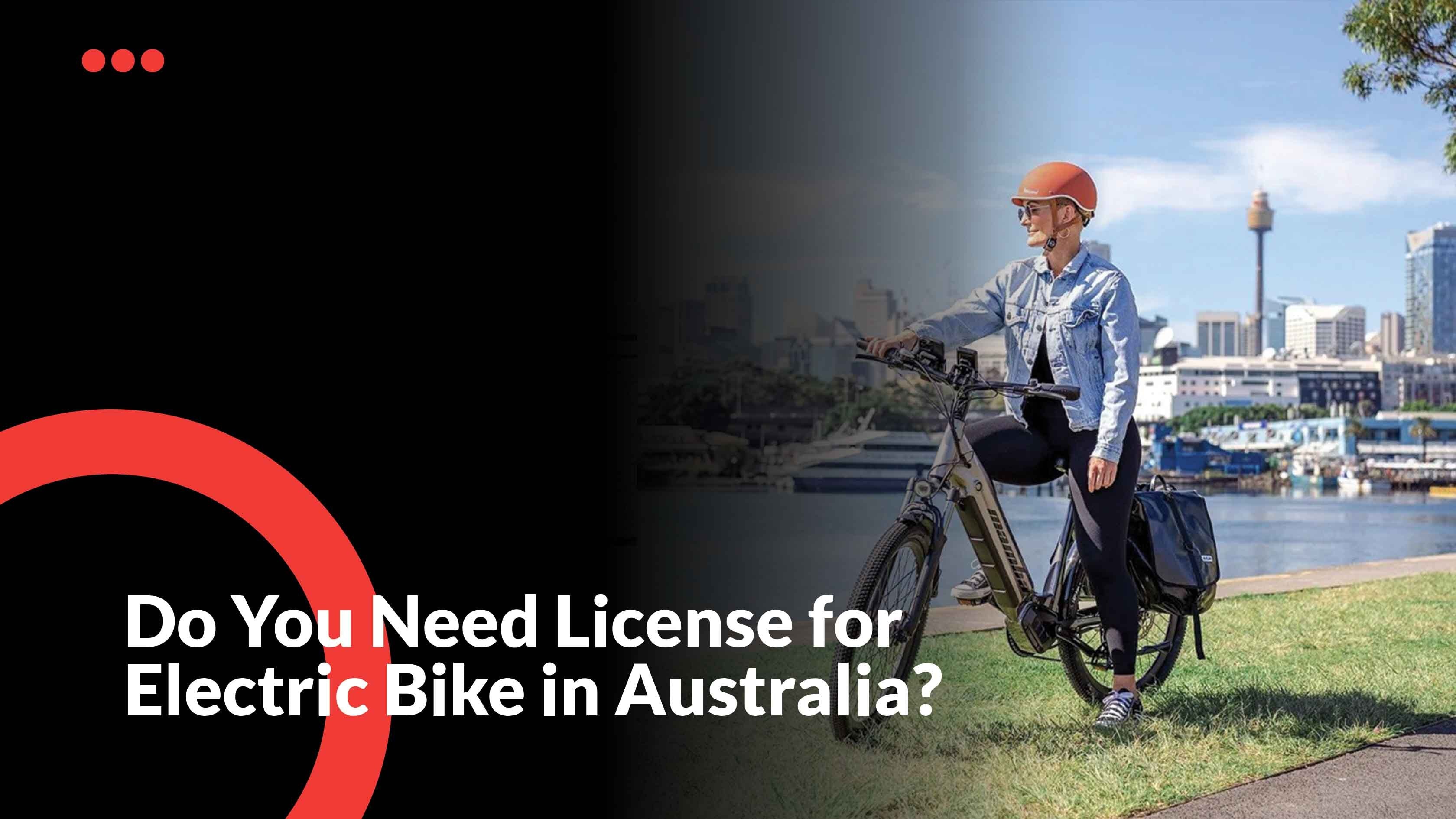
Do You Need Licence for Electric Bike in Australia? E-Ozzie
Import and Purchase Guidelines
With the 2025 import ban on overpowered ebikes, buying from reputable Australian retailers is key. Ensure the bike has EN 15194 certification. Importers must comply with weight, seat, and motor rules.
Tips for buying:
- Test ride for fit.
- Check warranty and service options.
- Verify compliance stickers.
Penalties for Breaking Ebike Regulations Australia
Non-compliance can result in fines up to $1,000 or bike confiscation. Common violations include speeding, no helmet, or using modified ebikes on public paths.
Future of Ebike Regulations Australia
As ebike adoption grows, regulations may evolve. In 2026, expect more focus on e-cargo bikes and urban mobility. Stay updated via government sites.
Conclusion: Ride Smart with Ebike Regulations Australia
Understanding ebike regulations Australia ensures a fun, legal experience. Stick to 250 watts, 25 km/h, wear a helmet, and enjoy the ride. If you’re shopping for an ebike, prioritize compliance for peace of mind.
For more details, consult your state’s transport authority. Safe riding!
