
In the ever-expanding world of sustainable transportation, electric bike engine kits have become a game-changer for cyclists looking to upgrade their traditional bicycles without breaking the bank. As we step into 2025, these kits offer an affordable way to transform any standard bike into a powerful e-bike, blending the thrill of pedaling with electric assistance. Whether you’re a daily commuter tired of uphill battles, an off-road enthusiast seeking more torque, or simply someone wanting to extend your riding range, electric bike engine kits provide customizable solutions tailored to your needs. This comprehensive guide explores everything from types and top models to installation tips, benefits, drawbacks, and legal considerations. If you’re ready to electrify your ride, dive in to discover how electric bike engine kits can revolutionize your cycling experience.

https://powerpedalse-bikes.com
E-Bike Conversion Kit Reviews 2025 | DIY Guide | MoVcan – Movcan
What Are Electric Bike Engine Kits?
Electric bike engine kits, often referred to as e-bike conversion kits, are all-in-one packages that include a motor, battery, controller, and other components to convert a regular bicycle into an electric one. These kits empower riders to add electric propulsion to their existing bikes, avoiding the need to purchase a brand-new e-bike, which can cost upwards of $2,000. In 2025, advancements in battery technology and motor efficiency have made electric bike engine kits more powerful, lighter, and user-friendly than ever.
At their core, electric bike engine kits consist of key elements: a motor (hub or mid-drive), a rechargeable battery (typically lithium-ion), a controller to manage power flow, sensors for pedal assist, a display for monitoring speed and battery life, and wiring harnesses. Optional add-ons might include throttles, brakes with cut-off sensors, and torque arms for stability. Prices range from $300 for basic setups to over $1,500 for high-performance models, making electric bike engine kits accessible for various budgets.
The appeal lies in customization—choose a kit that matches your bike’s frame size, wheel diameter (e.g., 26″, 29″, or 700c), and intended use. For urban riders, a compact kit with moderate power suffices, while adventure seekers might opt for rugged, high-torque options. As electric mobility surges, electric bike engine kits are not just gadgets; they’re a step toward eco-friendly commuting.
Types of Electric Bike Engine Kits
Understanding the different types of electric bike engine kits is crucial for selecting the right one. Each type offers unique advantages based on motor placement and design, affecting performance, weight distribution, and compatibility.
Hub Motor Kits
Hub motor electric bike engine kits integrate the motor directly into the wheel hub, either front or rear. Rear hub motors are popular for better traction and hill-climbing, while front hubs are easier to install but may affect steering on slippery surfaces. These kits are straightforward, with power outputs from 250W to 1,500W, delivering speeds up to 28 mph. Geared hubs provide more torque for starts, whereas direct-drive hubs excel in high-speed cruising but are heavier.
Pros: Simple installation, low maintenance, quiet operation. Cons: Uneven weight distribution, less efficient on steep inclines. Ideal for flat-city riding or commuters.

5000w Peak Hub Motor Electric Bike (ebike) Conversion Kit | eBay
Mid-Drive Kits
Mid-drive electric bike engine kits mount the motor at the bike’s bottom bracket, driving the chain and utilizing the bike’s gears for optimal efficiency. Brands like Bafang and Tongsheng dominate this category, offering 350W to 1,000W motors with torque up to 160Nm. This setup shines on varied terrain, as it leverages gear ratios for better climbing and speed control.
Pros: Balanced weight, natural pedaling feel, versatile for off-road. Cons: More complex installation, potential chain wear. Perfect for mountain bikes or long-distance tours.

Will this mid-drive e-bike conversion kit outperform its mass …
Friction Drive and Other Kits
Less common but innovative, friction drive electric bike engine kits use a roller pressing against the tire for propulsion, like the Skarper system. These are clip-on and tool-free but may slip in wet conditions. All-wheel-drive kits combine front and rear motors for ultimate power, though they’re pricier and heavier.
When choosing types of electric bike engine kits, consider your bike’s compatibility—disc brakes, frame material, and dropout width matter for a seamless fit.
Top Electric Bike Engine Kits in 2025
Based on recent reviews and performance tests, here are the standout electric bike engine kits for 2025. We’ve focused on reliability, power, and value, drawing from user feedback and expert analyses.
1. Bafang BBS02B Mid-Drive Kit: Best Overall
The Bafang BBS02B remains a favorite among electric bike engine kits, with a 750W motor delivering 120Nm torque and speeds up to 28 mph. Compatible with most bikes, it includes a 48V battery option for 40-60 mile range. Installation takes 2-4 hours, and its programmable controller allows custom tuning via app.
Price: $500-$800. Pros: Versatile, powerful, great value. Cons: Requires bottom bracket tools. Ideal for daily commuters or trail riders.
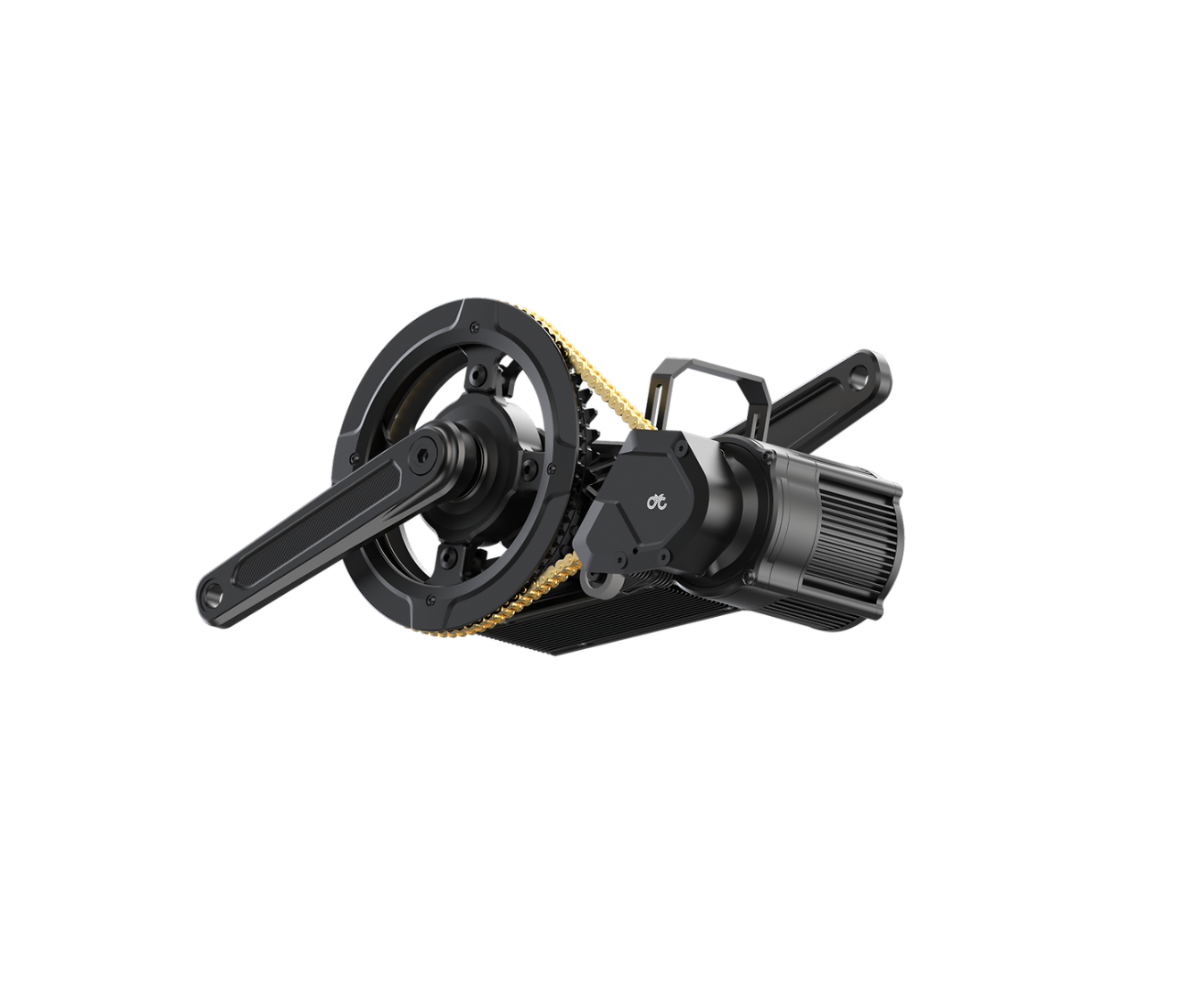
CYC X1 Pro Gen 4 5000W Mid-Drive Conversion Kit
2. CYCMotor X1 Pro Gen 2: Best for Performance
For speed enthusiasts, the CYCMotor X1 Pro Gen 2 electric bike engine kit boasts a 5,000W mid-drive motor, hitting 50+ mph with massive torque. It features a 72V battery for extended range and advanced cooling to prevent overheating.
Price: $1,000-$1,500. Pros: Extreme power, durable build. Cons: Not street-legal everywhere, heavier setup. Suited for off-road adventures.
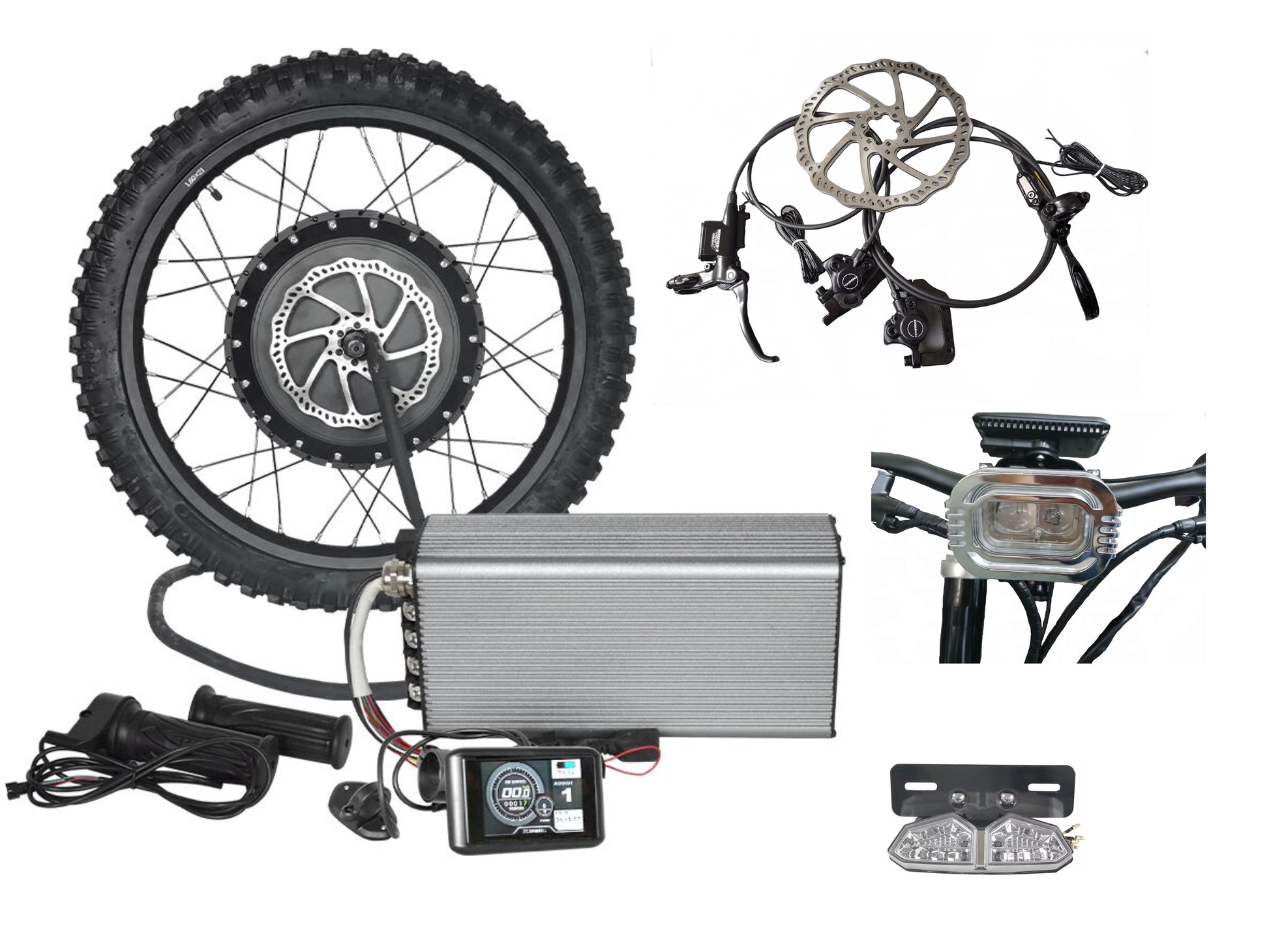
72V 15000W Rear Wheel Electric Bike Hub Motor Conversion kit for Stealth Bomber Bike with 200A Sabvoton Controller
3. Swytch Universal Kit: Best for Commuters
The Swytch Kit stands out in electric bike engine kits for its lightweight design (under 7 lbs) and easy front-hub installation. With 250W power and a 35-mile range, it’s perfect for urban use, featuring a clip-on battery for portability.
Price: $400-$600. Pros: User-friendly, compact. Cons: Lower power for hills. Great for folding or city bikes.
4. Kirbebike 72V 4000W Kit: Best for High Power
This beast among electric bike engine kits offers 4,000W output for speeds over 55 mph, with a robust hub motor and hydraulic brakes. It’s built for mountain bikes, providing 100+ mile range in eco mode.
Price: $800-$1,200. Pros: Unmatched speed, off-road ready. Cons: Bulky, requires strong frame.
5. Tongsheng TSDZ2: Best Budget Option
Affordable yet reliable, the Tongsheng TSDZ2 mid-drive electric bike engine kit provides 350W power with torque sensing for a smooth ride. It’s compatible with many frames and offers 30-50 mile range.
Price: $300-$500. Pros: Cost-effective, natural feel. Cons: Less powerful than premium kits.
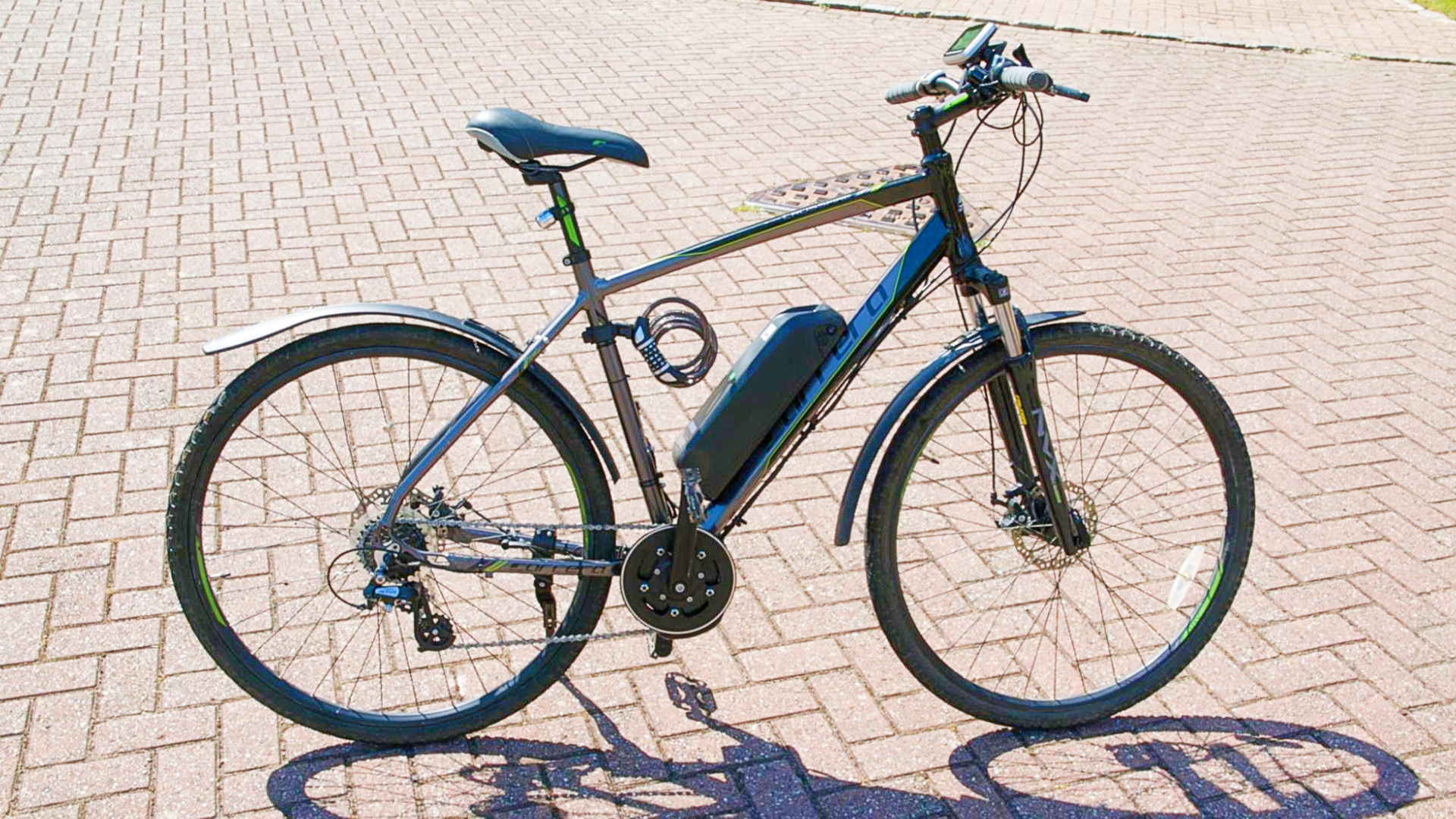
Best electric bike conversion kits 2025 and how to fit them …
Honorable mentions include the Ebikeling 48V Hub Kit for simplicity and the CYC Photon for advanced torque control.
Step-by-Step Installation Guide for Electric Bike Engine Kits
Installing electric bike engine kits can be a rewarding DIY project, typically taking 1-4 hours with basic tools like wrenches, Allen keys, and zip ties. Always follow the manufacturer’s manual, and if unsure, consult a bike shop.
- Gather Tools and Prep the Bike: Remove the old wheel or bottom bracket. Clean the frame and check compatibility.
- Install the Motor: For hub kits, swap the wheel; for mid-drive, replace the crankset and mount the motor.
- Mount the Battery: Secure it to the frame or rack, ensuring it’s balanced.
- Connect Wiring: Plug in the controller, sensors, and display. Use waterproof connectors.
- Add Peripherals: Install throttle, brakes, and pedal sensor.
- Test and Tune: Charge the battery, test in a safe area, and adjust settings.
Common pitfalls include loose connections or improper torque—double-check everything.
How to Install an Electric Bike Conversion Kit
Benefits and Drawbacks of Electric Bike Engine Kits
Electric bike engine kits offer numerous advantages, but they’re not without challenges.
Benefits:
- Cost Savings: Cheaper than buying a new e-bike, often 50-70% less.
- Customization: Tailor to your bike and riding style.
- Extended Range and Speed: Boost distances to 50+ miles with assistance.
- Eco-Friendly: Reduce carbon footprint compared to cars.
- Health Perks: Pedal assist encourages exercise while easing strain.
Drawbacks:
- Installation Complexity: May require mechanical skills.
- Weight Addition: Adds 10-20 lbs, affecting handling.
- Maintenance: Batteries degrade over time; motors need occasional checks.
- Compatibility Issues: Not all bikes fit perfectly.
- Warranty Voids: Could invalidate your bike’s warranty.
Overall, for most users, the pros outweigh the cons, especially with reliable kits.
Legal Considerations for Electric Bike Engine Kits
Navigating laws is essential when using electric bike engine kits. In the US, federal rules cap motors at 750W and speeds at 20-28 mph for e-bike classification; exceeding this may require licensing as a moped. States vary—California allows Class 3 up to 28 mph, but helmets are mandatory.
In Europe, EAPC regulations limit power to 250W and assistance to 25 km/h (15.5 mph). Kits must comply, or they could be illegal on public roads. Always check for CE certification and avoid throttle-only kits in some regions.
Globally, ensure your electric bike engine kits meet safety standards to avoid fines or seizures.
Tips for Choosing the Right Electric Bike Engine Kit
Select electric bike engine kits based on your needs: Assess power (250W for casual, 750W+ for performance), battery capacity (10-20Ah for range), and compatibility. Read reviews, opt for warranties (1-2 years common), and consider after-sales support. Test compatibility with your bike’s specs, and budget for extras like tools or upgrades.
For beginners, start with hub motor electric bike engine kits; pros might prefer mid-drive for torque.
Future Trends in Electric Bike Engine Kits
By 2026, expect smarter electric bike engine kits with AI-optimized power delivery, lighter solid-state batteries, and integrated apps for route planning. Sustainability will drive recyclable components, and higher voltages could push ranges beyond 100 miles.
Conclusion: Electrify Your Ride with Electric Bike Engine Kits
Electric bike engine kits represent the perfect fusion of tradition and technology, empowering you to upgrade your beloved bike into a versatile e-machine. From the powerful Bafang BBS02B to the commuter-friendly Swytch, 2025’s options cater to all riders. Weigh the benefits against drawbacks, ensure legal compliance, and follow installation guides for a smooth transition. Whether saving money, reducing emissions, or simply enjoying longer rides, electric bike engine kits unlock new possibilities. Ready to convert? Research, invest wisely, and hit the road with electric ease.

Amazon.com : MUSESPANI 350W 36V Electric E-Bike Conversion Twist …
