
In recent years, electric bikes commonly known as e-bikes have surged in popularity across Australia. They offer an eco-friendly, efficient, and fun way to commute, exercise, or explore the outdoors. However, navigating Australia electric bike laws can be tricky for newcomers and seasoned riders alike. Whether you’re considering purchasing your first e-bike or want to ensure you’re riding legally, this in-depth guide covers everything you need to know about Australia electric bike laws in 2026. We’ll break down national standards, state-specific regulations, safety requirements, and more to help you ride with confidence.
From power limits to where you can legally ride, Australia electric bike laws are designed to promote safety while encouraging sustainable transport. As of January 2026, recent updates, including stricter import rules and state alignments, have made the landscape clearer but more stringent. Let’s dive into the details.
https://powerpedalse-bikes.com
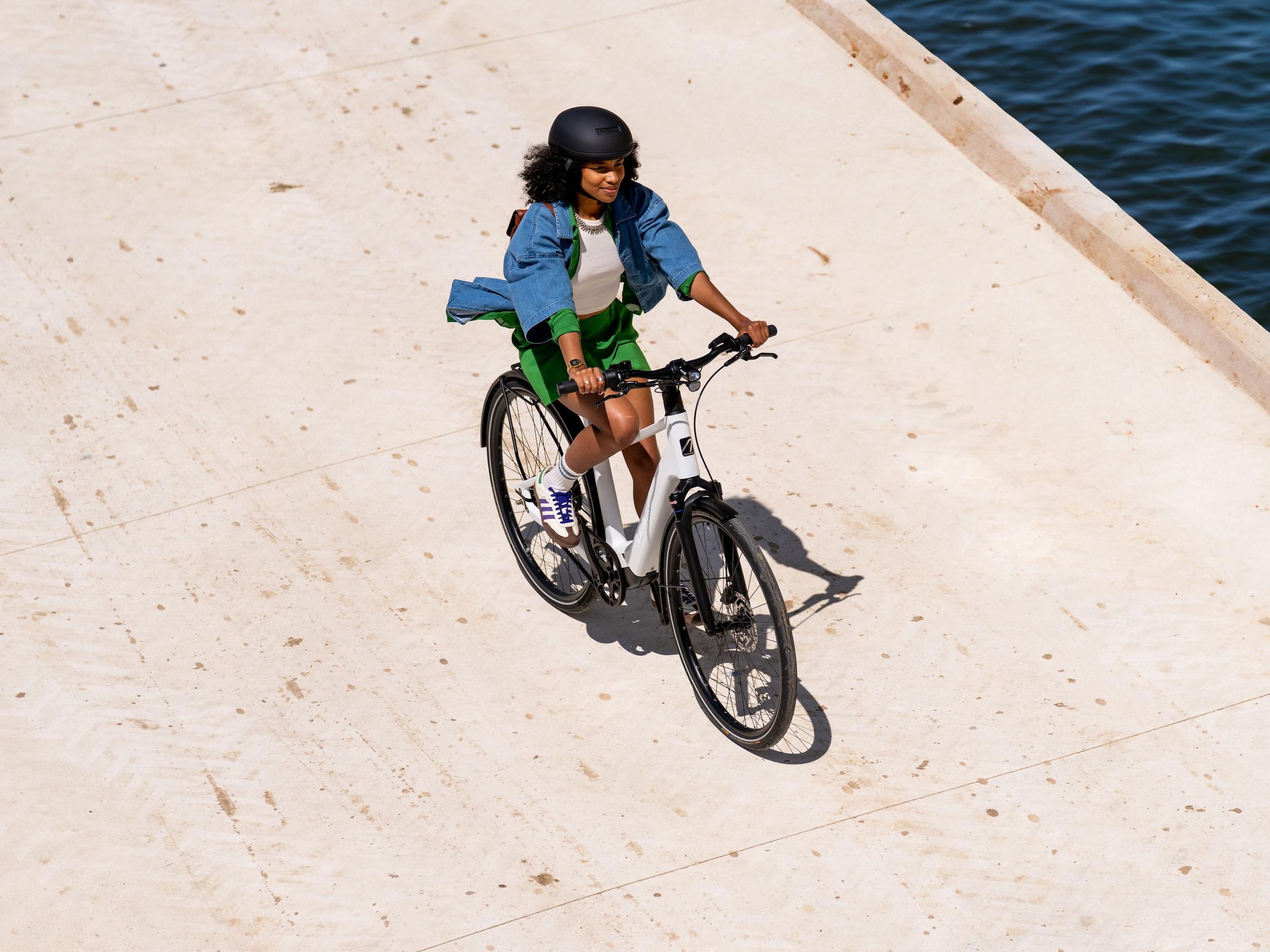
E-bikes ‘very safe’ when bought from ‘reputable manufacturers …
What Are Electric Bikes and Why Do Laws Matter?
Electric bikes are bicycles equipped with an electric motor that assists the rider’s pedaling. They come in various styles, from city commuters to mountain e-bikes, and can make cycling accessible to a wider audience, including those with physical limitations.
Australia electric bike laws exist to classify e-bikes as bicycles rather than motor vehicles, which means no license or registration is typically required. However, if an e-bike exceeds certain power or speed limits, it could be reclassified as a motorcycle or moped, subjecting it to stricter rules like licensing and insurance. Understanding these laws prevents fines, ensures road safety, and helps you choose the right e-bike.
According to national guidelines, e-bikes must adhere to specific standards to be treated as regular bicycles. These rules stem from the Australian Vehicle Standards and are enforced federally, with states handling on-road enforcement.
National Standards for E-Bikes in Australia
At the federal level, Australia electric bike laws define two main categories of legal e-bikes: Electrically Power-Assisted Cycles (EPACs) and Power-Assisted Pedal Cycles.
Electrically Power-Assisted Cycles (EPACs)
- Power Limit: Maximum continuous power output of 250 watts.
- Speed Assistance: The motor must cut off assistance at 25 km/h or when you stop pedaling (if traveling over 6 km/h).
- Activation: Primarily pedal-assist; the motor engages only when you pedal.
- Standard Compliance: Must meet the European EN15194 standard or equivalent for safety.
These are the most common e-bikes in Australia and are treated like standard bicycles under Australia electric bike laws.
Power-Assisted Pedal Cycles
- Power Limit: Up to 200 watts.
- Speed: Cannot be propelled solely by the motor over 6 km/h; assistance cuts off at 25 km/h.
- Throttle Option: May include a throttle for low-speed assistance (up to 6 km/h), useful for starting from a stop.
If your e-bike doesn’t fit these categories—say, it has a 500W motor or no pedal requirement—it might be classified as a road vehicle. This requires import approval from the Department of Infrastructure, and you’d need a driver’s license, registration, and insurance to ride it legally on public roads.
Recent federal changes in late 2025, as outlined in the importer’s guide, ban the import of overpowered e-bikes that don’t meet these standards. This aims to curb illegal modifications and unsafe models entering the market. Always check for compliance labels when buying.
State-by-State Breakdown of Australia Electric Bike Laws
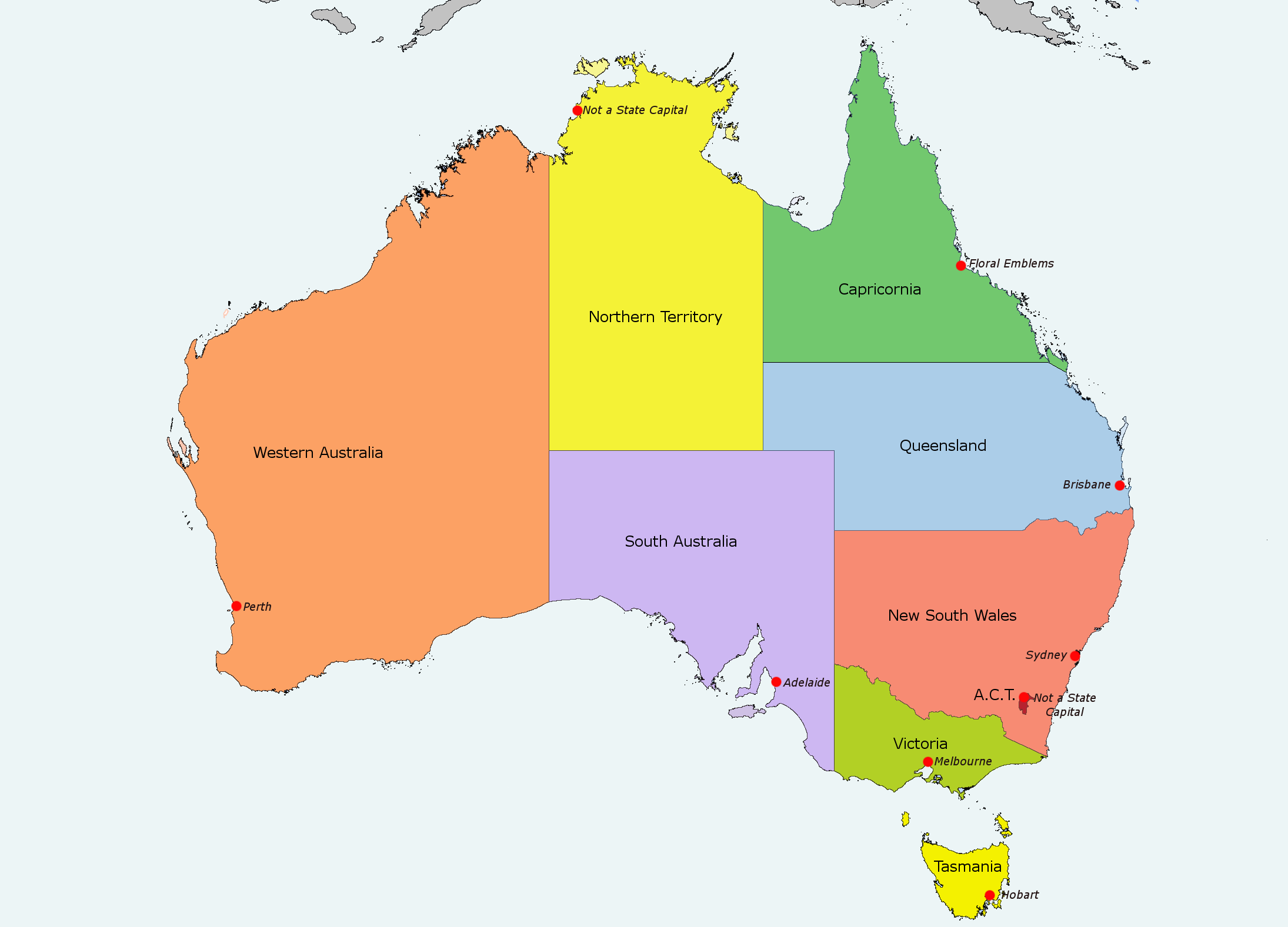
While national standards provide a baseline, Australia electric bike laws can vary slightly by state or territory. Here’s a detailed look at each, based on the latest 2026 regulations. We’ll highlight differences in power limits, age restrictions, and riding locations.
File:Australia location map with floral.png – Wikimedia Commons
New South Wales (NSW)
NSW has recently aligned with national standards after allowing up to 500W motors until late 2025. Now, e-bikes must stick to 250W and 25 km/h limits.
- Age Restrictions: No minimum age, but riders under 16 can use footpaths (unless prohibited by signs).
- Helmets: Mandatory for all riders.
- Where to Ride: Same as bicycles—bike paths, shared paths, and roads. No riding on freeways.
- Penalties: Fines up to $2,200 for non-compliant e-bikes or unsafe riding.
- Unique Note: Throttle-assisted bikes are limited to 200W.
NSW emphasizes safety, with police cracking down on modified e-bikes that exceed limits.
Victoria (VIC)
Victoria strictly follows the 250W EPAC standard.
- Age Restrictions: No minimum age; anyone can ride without a license.
- Helmets: Required at all times.
- Where to Ride: Bike lanes, paths, and roads where bicycles are allowed. E-bikes are banned on some high-speed roads.
- Penalties: Up to $1,800 for riding an unregistered overpowered e-bike.
- Unique Note: Petrol-powered bikes are illegal on public paths.
VIC police highlight that non-compliant e-bikes are treated as unregistered vehicles, leading to impoundment.
Queensland (QLD)
QLD adheres to the national 250W and 25 km/h rules.
- Age Restrictions: No minimum, but supervision recommended for young riders.
- Helmets: Must be worn and meet Australian standards.
- Where to Ride: Most roads and paths, unless signed otherwise. Follow bicycle speed limits.
- Penalties: Fines starting at $600 for violations.
- Unique Note: E-bikes can carry passengers if designed for it.
Queensland promotes e-bikes for commuting, with infrastructure like dedicated paths in Brisbane.
South Australia (SA)
SA mirrors national standards with a focus on pedal-assist.
- Age Restrictions: Riders under 12 need adult supervision on roads.
- Helmets: Compulsory.
- Where to Ride: Bike tracks, shared paths, and low-speed roads.
- Penalties: Up to $1,500 for non-compliance.
- Unique Note: Throttles allowed only for low-speed starts.
Western Australia (WA)
WA classifies e-bikes as bicycles if under 250W.
- Age Restrictions: No specific limit.
- Helmets: Always required.
- Where to Ride: Paths and roads, similar to bikes.
- Penalties: Fines for unsafe or illegal e-bikes.
- Unique Note: E-rideables (like scooters) have separate rules, but e-bikes are distinct.
Tasmania (TAS)
Tasmania follows the EPAC model.
- Age Restrictions: No minimum.
- Helmets: Mandatory.
- Where to Ride: Bicycle-permitted areas.
- Penalties: Comparable to other states.
- Unique Note: Emphasis on rural riding safety.
Australian Capital Territory (ACT)
ACT aligns with 250W limits.
- Age Restrictions: None.
- Helmets: Required.
- Where to Ride: Shared paths and roads.
- Penalties: Fines for exceeding limits.
Northern Territory (NT)
NT has looser enforcement but follows national rules.
- Age Restrictions: No specific.
- Helmets: Must wear.
- Where to Ride: Most public areas.
- Unique Note: Hot climate considerations for battery safety.
For a visual overview of state differences, refer to the map above. Always verify with local transport authorities, as rules can evolve.
Safety Requirements and Best Practices Under Australia Electric Bike Laws
Safety is a cornerstone of Australia electric bike laws. Here’s what you need to know:
Helmets and Protective Gear
- Helmets are mandatory nationwide and must comply with AS/NZS 2063 standards.
- Additional gear like reflective clothing is recommended, especially for night riding.
Lighting and Visibility
- Front white light and rear red light required for low-light conditions.
- Reflectors on wheels and pedals.
Battery and Maintenance
- Ensure batteries are certified to avoid fire risks.
- Regular checks for brakes, tires, and motor function.
Riding Etiquette
- Obey traffic signals and give way to pedestrians.
- No riding under the influence of alcohol or drugs—same limits as driving apply.
Following these keeps you compliant with Australia electric bike laws and reduces accident risks.
Australia E-bike Market Size & Share Outlook to 2031
Where Can You Ride E-Bikes in Australia?
Under Australia electric bike laws, compliant e-bikes can be ridden wherever standard bicycles are allowed:
- Bike Paths and Shared Paths: Ideal for leisurely rides.
- Roads: Stick to bike lanes; avoid high-speed highways.
- Footpaths: Permitted in some states for young riders or where no bike path exists, but check signs.
- Off-Road: National parks may have restrictions; always confirm.
Prohibited areas include motorways and pedestrian-only zones. In cities like Sydney or Melbourne, dedicated e-bike infrastructure is expanding.
Penalties for Breaking Australia Electric Bike Laws
Violations can lead to hefty fines:
- Riding a non-compliant e-bike: $500–$2,500, plus impoundment.
- No helmet: $100–$400.
- Speeding or reckless riding: Up to $1,000.
In severe cases, like causing an accident with a modified e-bike, you could face criminal charges. Stay informed to avoid these pitfalls.
Future of E-Bikes and Upcoming Changes
As of 2026, Australia electric bike laws are evolving with a push toward sustainability. The federal ban on importing overpowered models aims to standardize the market. Expect more incentives like rebates for eco-friendly transport.
States are investing in infrastructure, potentially relaxing some rules for cargo e-bikes. However, safety remains paramount amid growing e-bike adoption.
FAQs About Australia Electric Bike Laws
Do I need a license to ride an e-bike in Australia?
No, if it meets the 250W/25 km/h standards.
Can kids ride e-bikes?
Yes, with no minimum age in most states, but supervision is advised.
Are throttle e-bikes legal?
Only if under 200W and for low-speed assistance.
What if my e-bike is imported?
It must comply with EN15194; check import rules to avoid customs issues.
How do I know if my e-bike is legal?
Look for compliance labels and test power/speed limits.
Conclusion: Ride Smart and Stay Legal
Navigating Australia electric bike laws doesn’t have to be complicated. By choosing a compliant model, wearing a helmet, and following state-specific rules, you can enjoy the benefits of e-biking safely and legally. Whether commuting in bustling Sydney or exploring Queensland’s trails, e-bikes offer freedom and fun. Remember, laws can change, so consult official sources like state transport websites for the latest updates.
If you’re ready to hit the road, prioritize safety and sustainability—happy riding!
