
The e bike shifter is a critical component that ensures smooth, efficient gear transitions, allowing riders to tackle varied terrains with ease while maximizing motor assistance. In electric bikes, where powerful mid-drive or hub motors deliver high torque, a reliable e bike shifter optimizes power delivery, enhances battery efficiency, and provides a natural pedaling feel. Whether you’re commuting on flat urban paths, conquering steep hills, or exploring mountain trails, understanding your e bike shifter can elevate your riding experience. This comprehensive 2026 guide covers types, how they work with pedal-assist systems, top models from brands like Shimano and SRAM, installation, maintenance, and more.

What Is an E Bike Shifter and Why Does It Matter?
An e bike shifter is the handlebar-mounted lever, trigger, or twist-grip that controls the bike’s drivetrain, moving the chain across cassette sprockets or chainrings to change gears. Unlike regular bikes, e bike shifters must handle amplified forces from electric motors (often 50-100Nm torque), ensuring precise shifts under load without skipping or hesitation.
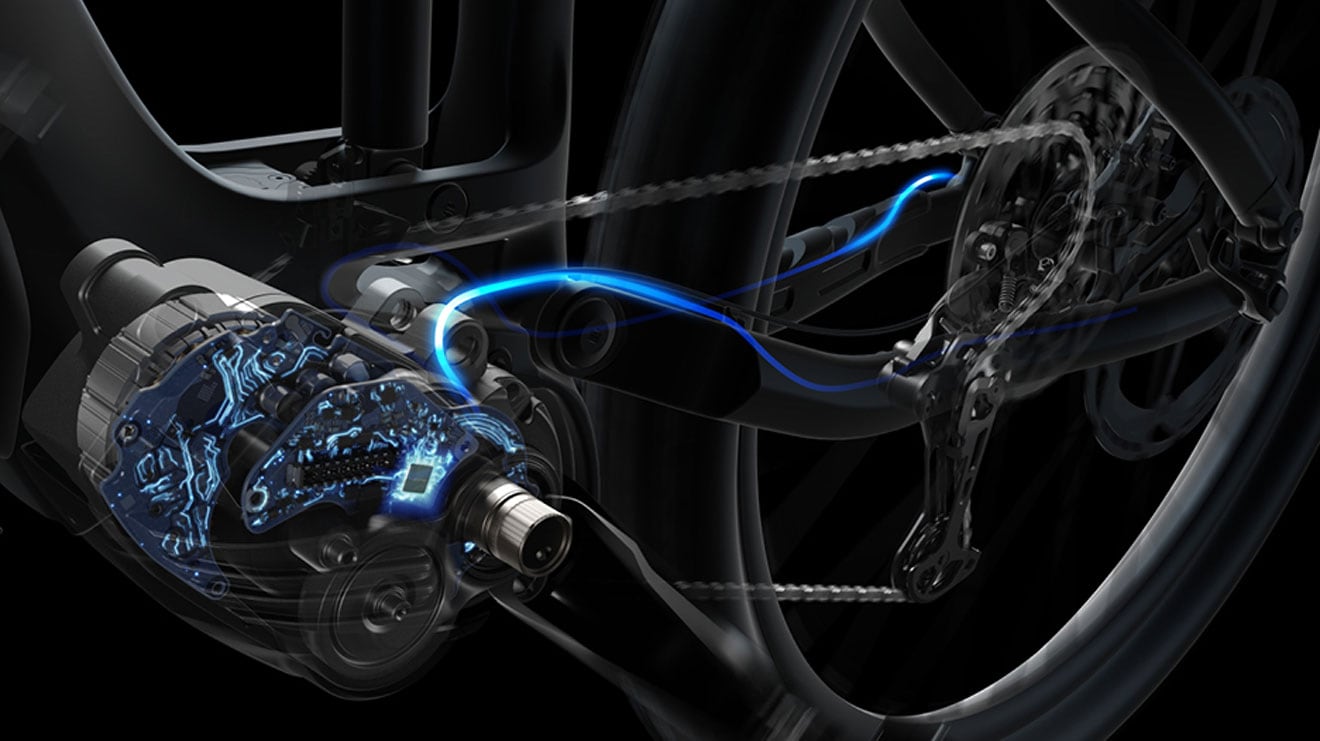
In e-bikes, shifters integrate with pedal-assist systems. Torque sensors (measuring pedaling force) or cadence sensors (detecting rotation speed) feed data to the controller, which modulates motor output. A quality e bike shifter complements this by allowing seamless gear changes, preventing chain drops during high-power surges. Poor shifting can lead to inefficiency, faster battery drain, or safety issues on climbs.
Modern e bike shifters come in mechanical (cable-actuated) or electronic (signal-based) variants, with automatic options emerging in 2026 like Shimano Auto Shift, which uses sensors for hands-free adjustments.


Types of E Bike Shifters: Mechanical vs Electronic
E bike shifters vary by design and actuation, each suited to different riding styles.
Mechanical E Bike Shifters: Reliable and Affordable
These use cables to pull the derailleur. Common subtypes:
- Trigger Shifters (e.g., Shimano Rapidfire): Thumb paddles for indexed shifts. Durable for MTB e-bikes, quick multi-gear changes.
- Twist/Grip Shifters: Rotate the grip to shift. Beginner-friendly for hybrids.
- Thumb Shifters: Top-mounted levers for precise control.
Pros: No batteries, low cost ($20-100), easy repairs. Cons: Cable stretch requires tuning, less precise under e-bike torque.
Electronic E Bike Shifters: Precision for Performance
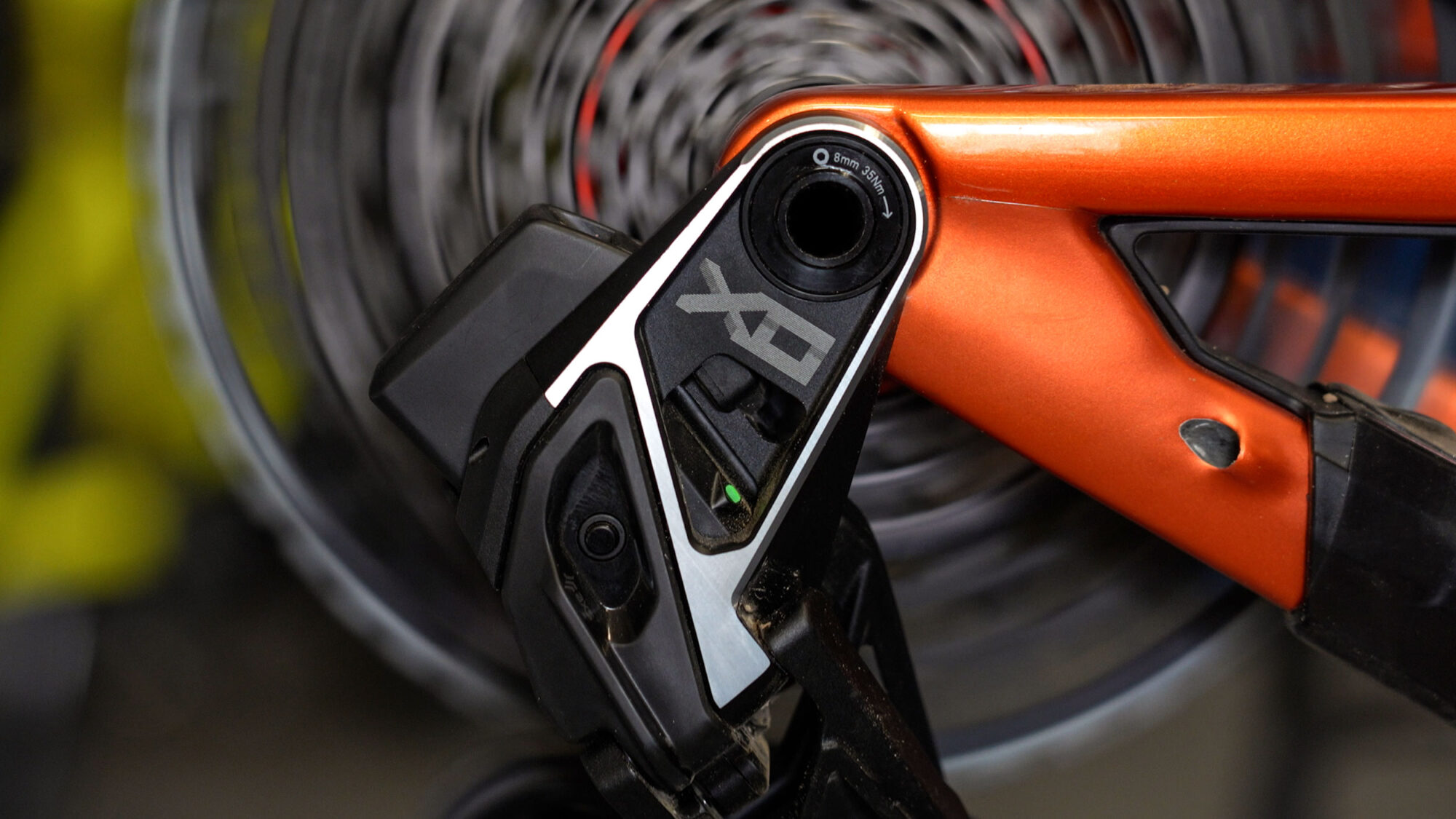
Battery-powered buttons send signals (wired like Shimano Di2 or wireless like SRAM AXS) to derailleur motors. 2026 sees MTB adoption with SRAM Eagle AXS and Shimano XT Di2.
- Shimano Di2/GRX Di2: Wired/wireless, customizable via app. Excellent for gravel e-bikes.
- SRAM AXS/Transmission: Fully wireless, shifts under load. Battery lasts 20-25 hours.
Pros: Lightning-fast, consistent shifts (even loaded), satellite buttons for extras. Cons: $300-1000+, battery charging needed.
Specialized Types: IGH, CVT, and Auto Shifters
- Internal Gear Hub (IGH) Shifters (Shimano Nexus): Sealed hubs (3-14 speeds), low-maintenance for commuters.
- CVT Shifters (Enviolo): Stepless via twist-grip, automatic cadence targeting.
- Auto Shifters (Shimano EP801, Bosch eShift): Sensor-driven (torque/cadence), ideal for eMTBs.
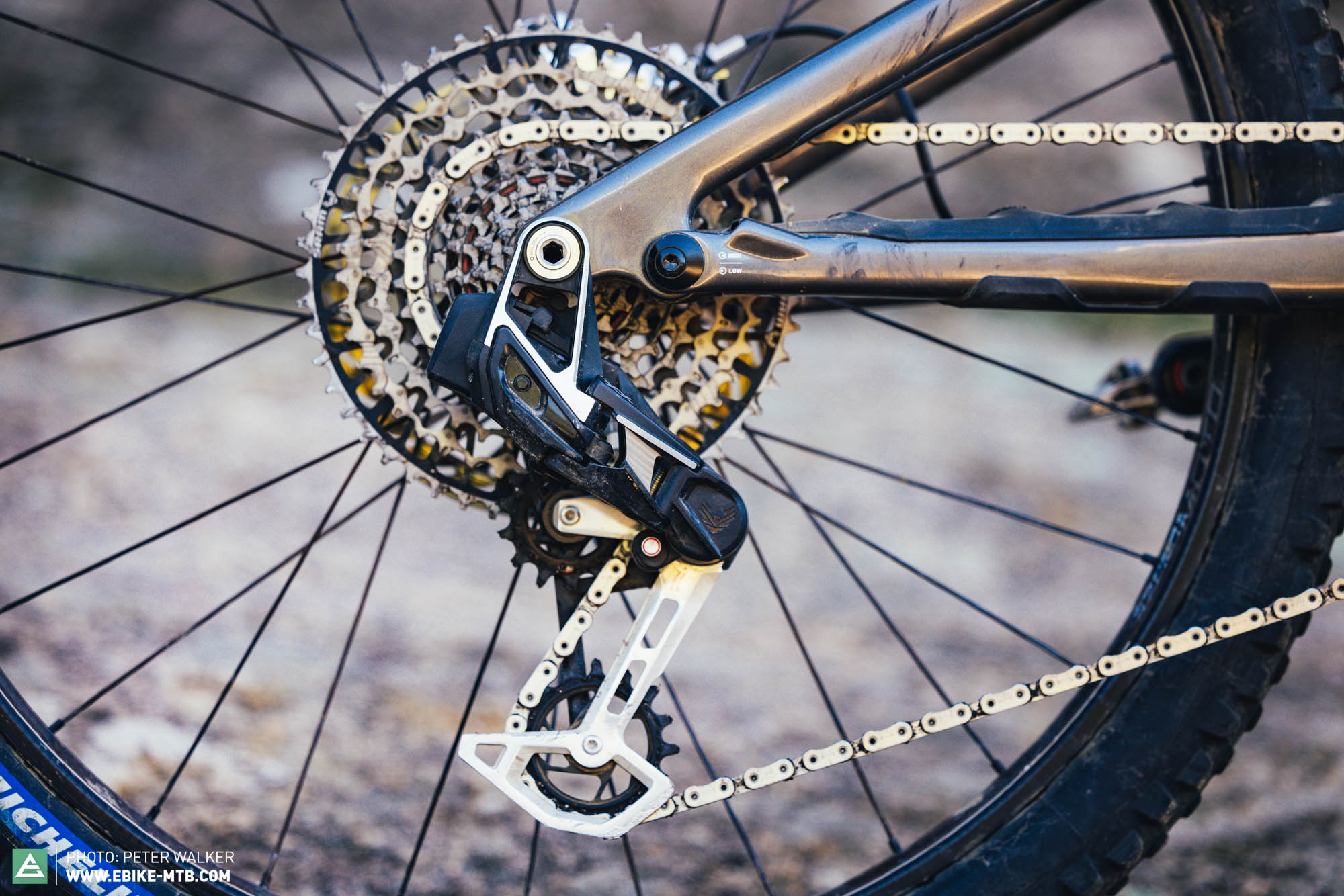
For e-bikes, LinkGlide cassettes pair with shifters for 3x durability under torque.
https://powerpedalse-bikes.com

How E Bike Shifters Integrate with Torque and Cadence Sensors
E bike shifters work alongside sensors for intuitive assist:
- Torque Sensors: Measure pedaling force (strain gauges in bottom bracket). Shifter input + torque data = proportional power (e.g., Bosch CX: 85Nm). Natural feel, efficient (up to 20% battery savings).
- Cadence Sensors: Detect RPM via magnets. Simpler, cheaper; assist kicks in at fixed speed.
Dual-sensor systems (common in 2026) use cadence for startup, torque for sustain. Shifters ensure gears match effort—downshift on hills for optimal cadence (80-100 RPM), preserving motor efficiency. Electronic shifters excel here, syncing via ANT+ for auto-modes.

Bikers are passionate about electronic shifting — here’s what you …
Benefits of Upgrading Your E Bike Shifter
A superior e bike shifter delivers:
- Smoother Power Delivery: Reduces chain stress from motor torque.
- Efficiency Gains: Matches gears to assist modes, extending range 10-20%.
- Comfort and Control: Less hand fatigue, precise under load.
- Durability: E-bike-specific (e.g., Microshift Mezzo) withstands higher forces.
Riders report 15% less fatigue on long rides with electronic systems.
Top E Bike Shifter Recommendations for 2026
Based on reviews:
- Shimano Deore XT/SL-M8100 (Trigger, $50-80): Rapidfire Plus, 12-speed, eMTB durable.
- SRAM GX Eagle AXS (Wireless, $150-300): MTB electronic, 25hr battery, app-tunable.
- microSHIFT Mezzo/Advent (Thumb/Tap, $30-60): Affordable Shimano-compatible, optical display.
- Shimano GRX Di2 (Gravel Electronic, $400+): Wireless, mud-shedding.
- Enviolo Automatiq (CVT Twist, $300+): Stepless auto for commuters.
- WheelTop EDS OX2.0 (Budget Wireless MTB, $200): ANT+ compatible, 3-14 speed.
Pair with LinkGlide for e-bikes.
How to Choose the Right E Bike Shifter
- Riding Style: MTB=trigger/electronic; Commuter=twist/IGH.
- Compatibility: Match derailleur/cassette (e.g., Shimano 9-12spd).
- Budget: Mechanical $20-100; Electronic $200+.
- Integration: Torque-sensor bikes favor precise electronic. Test for ergonomics; check e-bike torque ratings.
Step-by-Step Installation of an E Bike Shifter
- Tools Needed: Cable cutters, 4-5mm Allen keys, degreaser, lube.
- Remove Old: Loosen derailleur clamp, pull cable, slide off bar.
- Prep Housing: Clean/replace cable housing.
- Install New: Mount shifter, thread fresh cable, clamp at derailleur.
- Adjust: Set limits (H/L screws), tension via barrel adjuster.
- Test: Spin pedals, shift across gears.
Electronic: Pair via app, charge batteries. Pro install for Di2/AXS (~$50).
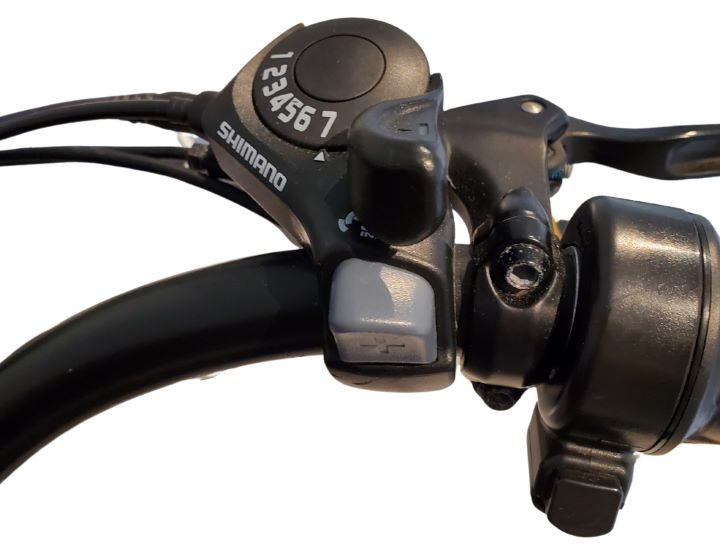
eBike Shifter Cable Install | Tower Electric Bikes
Maintenance Tips for Long-Lasting E Bike Shifters
- Clean Regularly: Degrease internals quarterly; lube pivots.
- Cable Care: Replace yearly ($10); avoid kinks.
- Electronic: Charge batteries (LED indicators); update firmware.
- Tune Shifts: Adjust barrel for crisp indexing.
- Winter Prep: WD-40 for corrosion.
Neglect causes skipping; annual shop tune-up prevents issues.
The Future of E Bike Shifters in 2026 and Beyond
2026 trends: Wireless ubiquity (Shimano wireless GRX/XT), AI-auto (Shimano Auto Shift predicts via torque/cadence), T-Type Transmission (SRAM durable for eMTBs). Frictionless CVT/IGH rise for low-maintenance.
Wrap Up: Master Your Ride with the Perfect E Bike Shifter
The e bike shifter bridges rider input and electric power for fluid, efficient adventures. From mechanical reliability to electronic precision, choose based on needs—Shimano for value, SRAM for MTB prowess. Upgrade wisely, maintain diligently, and enjoy seamless shifts on every outing. Ready to optimize? Check local shops for 2026 models and hit the trails!

30 web pages
