
In the world of electric bicycles, the e-bike pedal plays a pivotal role in blending human effort with motorized assistance. Whether you’re commuting through city streets or exploring rugged trails, understanding the e-bike pedal can transform your riding experience. This comprehensive guide dives deep into everything you need to know about e-bike pedals, from their basic functions to advanced maintenance tips. We’ll explore types, benefits, selection criteria, and more, ensuring you make informed decisions for your next upgrade.
What Is an E-Bike Pedal and Why Does It Matter?
At its core, an e-bike pedal is the component that connects your feet to the bike’s drivetrain, allowing you to input power while the electric motor provides a boost. Unlike traditional bike pedals, those designed for e-bikes often need to handle higher speeds and torques, making durability and grip essential. The e-bike pedal isn’t just a foothold—it’s the interface where pedal-assist technology kicks in, sensing your pedaling to activate the motor.
E-bikes come in various classes, such as Class 1 (pedal-assist up to 20 mph), Class 2 (throttle-assisted), and Class 3 (pedal-assist up to 28 mph), and the e-bike pedal must complement these systems. For instance, in pedal-assist modes, sensors detect cadence or torque from the e-bike pedal to deliver smooth power delivery. This integration ensures a natural riding feel, promoting fitness while reducing fatigue on longer journeys.
Historically, bike pedals have evolved from simple platforms to sophisticated designs, but the rise of e-bikes has pushed innovations like wider surfaces for better stability at higher speeds. If you’re new to e-biking, starting with a reliable e-bike pedal can prevent slips and enhance control, especially on uneven terrain.

https://powerpedalse-bikes.com
Understanding How Does Pedal Assist Work on E Bikes – ENGWE Official
Exploring the Different Types of E-Bike Pedals
When it comes to e-bike pedals, variety abounds to suit different riding styles and preferences. Let’s break down the main categories to help you find the perfect match.
Platform Pedals: Simplicity and Versatility
Platform pedals, also known as flat pedals, are the most straightforward option for e-bike enthusiasts. These feature a wide, flat surface with pins or grips to secure your shoes without any locking mechanism. Ideal for casual riders or those who prefer flexibility in footwear, platform e-bike pedals offer easy on-and-off access, making them great for urban commuting where frequent stops are common.
Pros of platform e-bike pedals include affordability and low maintenance. They’re often made from durable materials like aluminum or composite plastics to withstand the extra weight and speed of e-bikes. However, they might not provide the same power transfer efficiency as other types, which could be a drawback for performance-oriented riders.
Clipless Pedals: Efficiency for Serious Cyclists
For those seeking maximum power transfer, clipless e-bike pedals are a game-changer. These require special cycling shoes with cleats that “clip” into the pedal, creating a secure connection. Popular among road and mountain e-bike users, clipless systems allow for a full 360-degree pedaling stroke, pulling up as well as pushing down.
In e-bike applications, clipless pedals enhance the pedal-assist feature by providing consistent input to the sensors. Brands like Shimano and Look offer models specifically tuned for e-bikes, with adjustable tension for easy release. While there’s a learning curve—unclipping takes practice—the benefits in speed and endurance are significant for long-distance tours or hilly routes.
Hybrid or Duo Pedals: The Best of Both Worlds
Hybrid e-bike pedals combine platform and clipless features on opposite sides, allowing riders to choose based on the day’s needs. One side is flat for casual shoes, while the other accepts cleats. This versatility makes them excellent for multi-purpose e-bikes, such as those used for both errands and weekend adventures.
Duo pedals are particularly useful for beginners transitioning to clipless systems, offering a safety net without committing fully. Materials like nylon composites ensure they’re lightweight yet robust, handling the demands of electric assistance without compromising on grip.
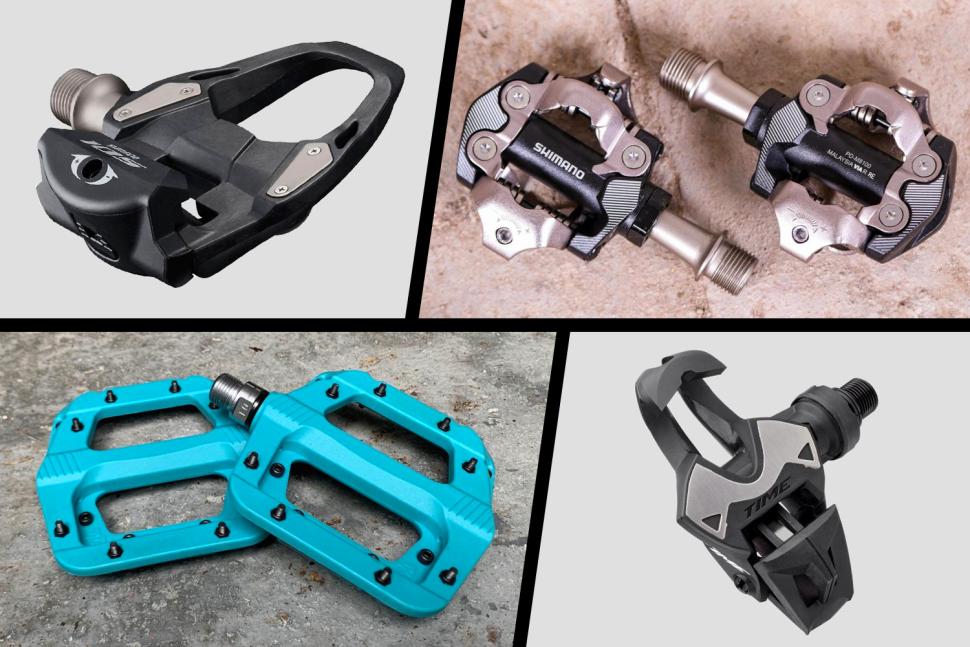
Everything you need to know about bike pedals: from clipless to …
Other niche types include toe-clip pedals for added security without cleats and magnetic pedals that use magnets for attachment. Each type addresses specific needs, so consider your riding environment—city streets favor platforms, while trails might call for clipless.
According to various cycling guides, choosing the right type can improve your overall e-bike efficiency by up to 20% in power transfer.
The Key Benefits of Upgrading Your E-Bike Pedal
Investing in a quality e-bike pedal isn’t just about comfort; it brings tangible advantages that elevate your entire riding setup.
First, enhanced grip and stability reduce the risk of foot slippage, especially in wet conditions or during high-speed descents. This is crucial for e-bikes, which can reach speeds where control is paramount. Better e-bike pedals also promote proper foot positioning, minimizing strain on knees and ankles for healthier, longer rides.
Efficiency is another major perk. A well-designed e-bike pedal optimizes energy transfer from your legs to the wheels, allowing the motor to work smarter, not harder. This can extend battery life, letting you cover more ground on a single charge. For fitness enthusiasts, the right pedal encourages consistent pedaling, turning your e-bike into a hybrid workout machine that builds strength while providing assistance.
Safety features in modern e-bike pedals, like reflective elements or anti-slip coatings, add visibility and security for night rides. Environmentally, durable pedals mean fewer replacements, reducing waste in the cycling community.
Studies and user reviews highlight that riders who upgrade their e-bike pedal report up to 15% less fatigue on extended trips, making e-biking more accessible for all ages.
How to Choose the Perfect E-Bike Pedal for Your Needs
Selecting an e-bike pedal involves balancing factors like riding style, budget, and compatibility. Start by assessing your primary use: commuting, touring, or off-road?
Material matters—aluminum offers strength and lightness, while plastic is budget-friendly but less durable. Look for sealed bearings to protect against dirt and water, essential for e-bikes that often face varied weather.
Size and shape are key; wider platforms suit larger feet or casual shoes, while compact designs fit racing setups. Check thread compatibility—most e-bikes use 9/16-inch threads, but confirm with your model’s specs.
Budget-wise, entry-level e-bike pedals start at $20, while premium clipless options can exceed $100. Read reviews for real-world insights on grip and longevity.
Consider weight; lighter pedals improve acceleration, beneficial for e-bikes with heavy batteries. Finally, test ride if possible—comfort is subjective.
Expert guides recommend prioritizing grip for safety, especially on pedal-assist e-bikes where sudden bursts of power can occur.

The Benefits of Electric Bikes with Pedals – HOVSCO
Step-by-Step Installation of Your New E-Bike Pedal
Installing an e-bike pedal is straightforward with basic tools. You’ll need a pedal wrench or Allen key, grease, and about 15 minutes.
- Remove old pedals: Turn the right pedal counterclockwise, left clockwise (remember: righty-tighty, lefty-loosey, but reversed for left side).
- Clean threads: Wipe the crank arms to remove debris.
- Apply grease: Lightly coat the new pedal threads to prevent seizing.
- Install: Screw in by hand first, then tighten to 30-40 Nm torque.
- Test: Spin the pedals and check for wobbles.
For clipless systems, attach cleats to shoes per manufacturer instructions. Always double-check handedness—pedals are marked L and R.
If you’re unsure, consult a bike shop, as improper installation can damage cranks on e-bikes.
Essential Maintenance Tips for Long-Lasting E-Bike Pedals
Regular care keeps your e-bike pedal performing optimally. Clean after rides: Use a soft brush and mild soap to remove dirt, then dry thoroughly.
Lubricate bearings every 500-1000 miles, depending on conditions. For sealed units, replace when gritty; for serviceable ones, regrease internals.
Inspect for wear: Check pins on platforms or cleat mechanisms on clipless for damage. Tighten loose parts promptly to avoid accidents.
Store your e-bike indoors to prevent rust, and avoid high-pressure washers that can force water into bearings.
Comprehensive maintenance guides suggest annual overhauls for heavy users, extending pedal life by years.

Useful Lubricants & Cleaners For Your E-Mountain Bike | E-Bike Maintenance
Top E-Bike Pedal Recommendations for 2026
Based on current trends and reviews, here are standout e-bike pedal options:
- Shimano PD-M520: Affordable clipless pedals with reliable entry-level performance, ideal for commuters. Around $45.
- Crankbrothers Candy 1: Hybrid design for versatility, great for trail riders. Priced at $60.
- Race Face Chester: Durable platform pedals with excellent grip pins, perfect for mountain e-bikes. About $50.
- Look X-Track: High-end clipless for serious speed, with mud-shedding tech. $90+.
User forums praise models like Crankbrothers for their balance of price and quality in e-bike applications.
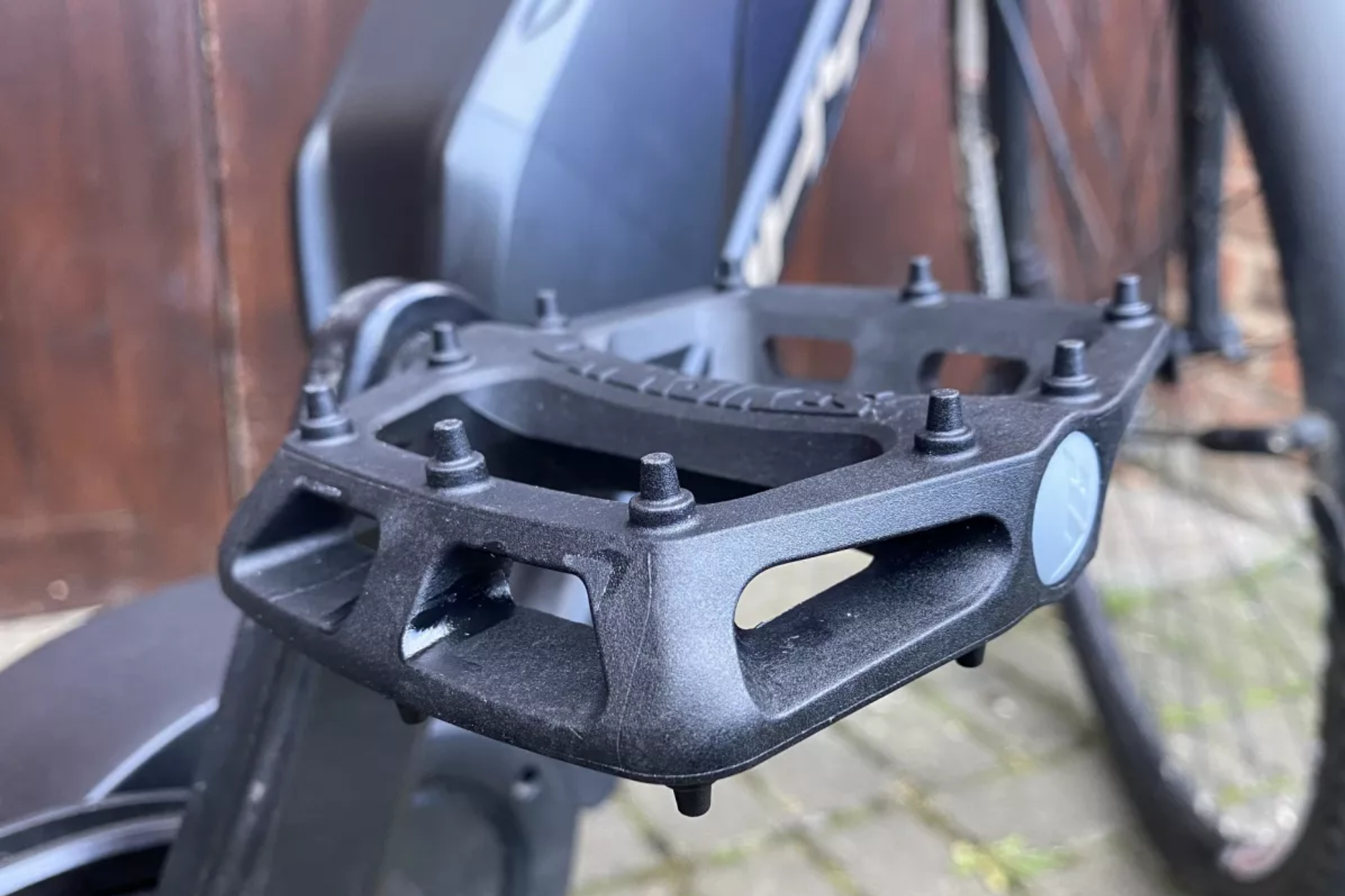
Best flat pedals for cycling 2025 | Cycling Weekly
Wrapping Up: Elevate Your Ride with the Right E-Bike Pedal
The e-bike pedal is more than a mere accessory—it’s the heart of your interaction with the bike, blending effort and technology for seamless adventures. By choosing wisely, maintaining diligently, and understanding the types available, you’ll unlock safer, more efficient rides. Whether you’re a beginner or seasoned cyclist, upgrading your e-bike pedal can reignite your passion for two-wheeled exploration. Ready to pedal into the future? Start browsing options today and feel the difference on your next outing.
