
Electric bikes have revolutionized commuting, recreation, and adventure riding, offering a fun, eco-friendly way to travel. At the heart of every e-bike is its battery, which powers the motor and determines how far you can go on a single charge. Understanding e bike battery life is crucial for getting the most out of your investment—whether you’re a daily commuter worried about range or a weekend trail rider planning longer trips. In this detailed guide, we’ll explore what affects e bike battery life, typical lifespans and ranges, signs of degradation, and proven strategies to extend it. By the end, you’ll know how to keep your battery performing strongly for years.
What Determines E Bike Battery Life?
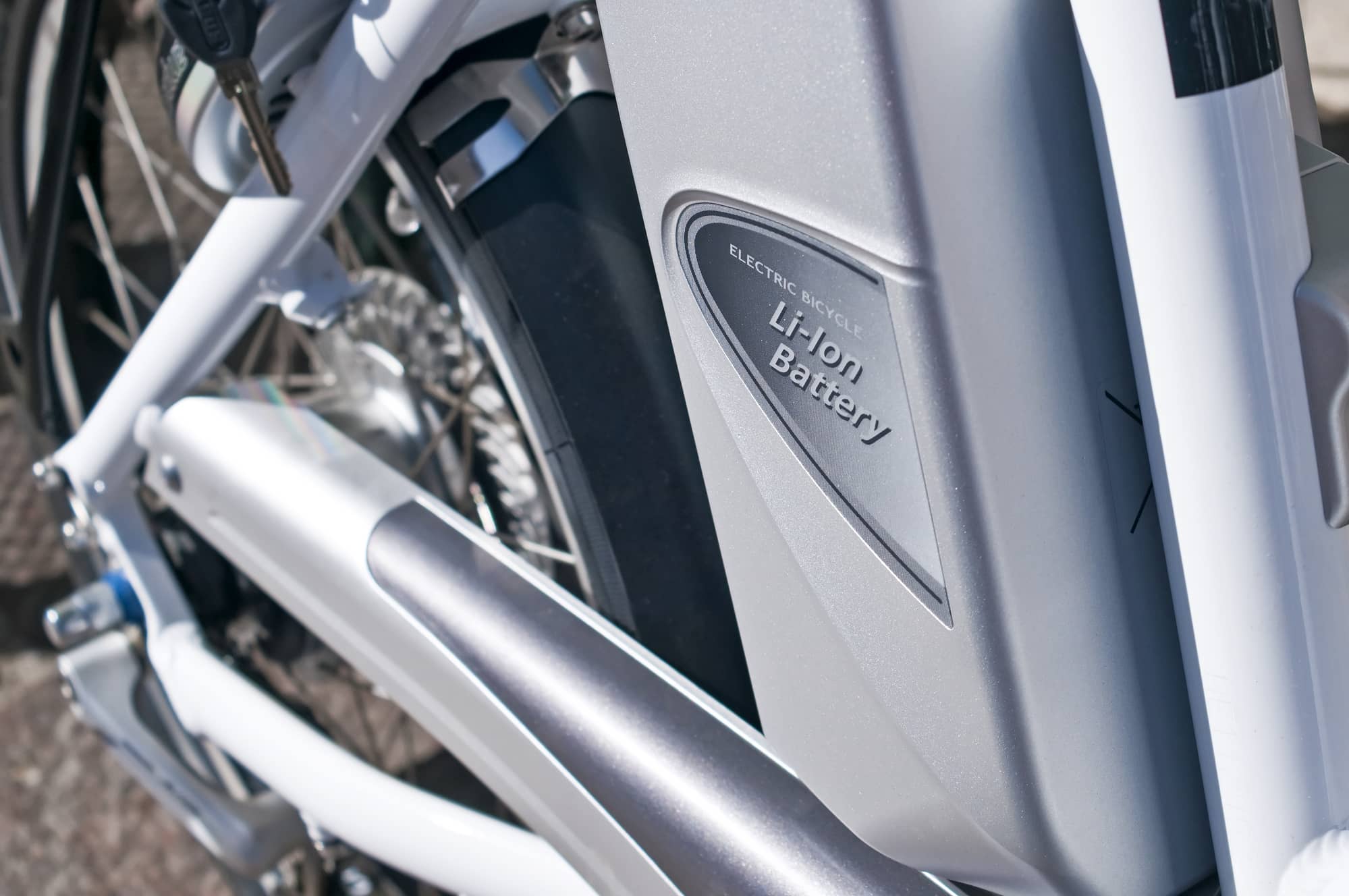
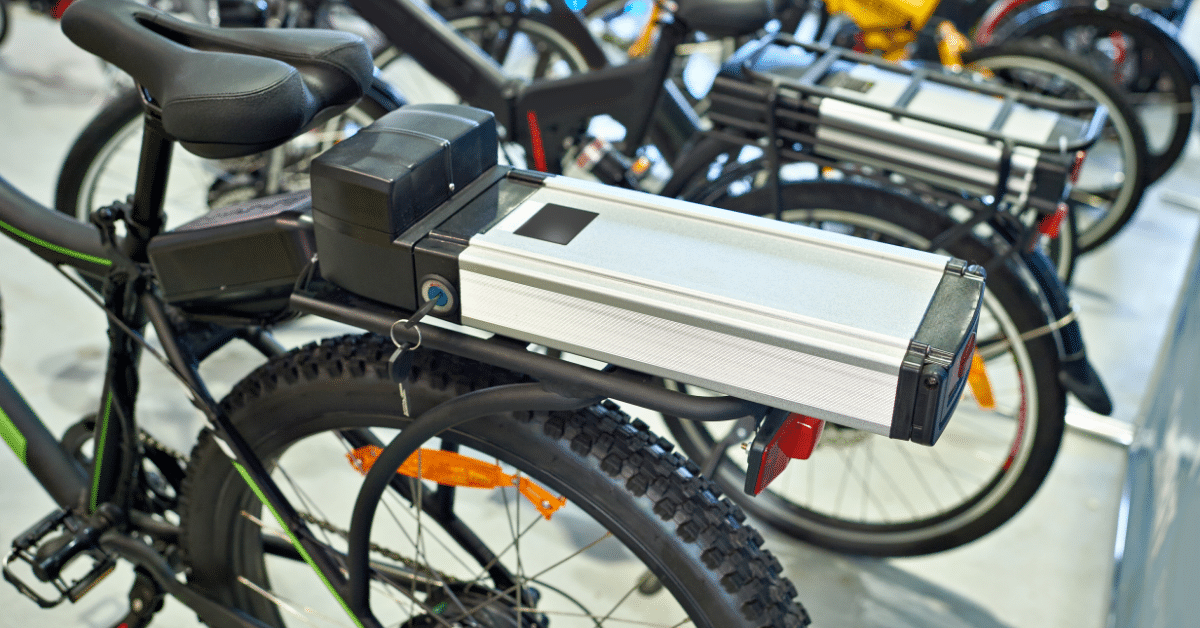
E bike battery life refers to two main things: the range per charge (how far you can ride before recharging) and the overall lifespan (how many years or cycles until significant capacity loss). Most modern e-bikes use lithium-ion batteries, which offer the best balance of weight, power, and durability.
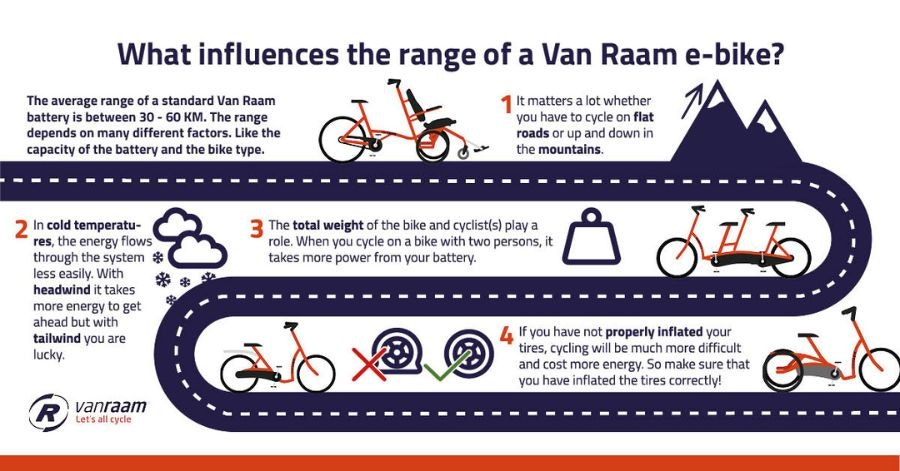
Key factors influencing e bike battery life include:
- Battery Capacity: Measured in watt-hours (Wh), higher capacities (e.g., 500-750Wh) generally provide longer range.
- Riding Conditions: Hills, headwinds, rough terrain, and heavy loads drain the battery faster.
- Assist Level and Mode: Higher pedal-assist or throttle use consumes more power.
- Rider Weight and Cargo: Heavier loads require more energy.
- Temperature: Extreme cold reduces range temporarily; heat accelerates long-term degradation.
- Tire Pressure and Maintenance: Underinflated tires increase rolling resistance.
- Age and Charge Cycles: Batteries naturally degrade over time.
A typical lithium-ion e-bike battery lasts 500-1,000 full charge cycles before dropping to 70-80% of original capacity, translating to 3-5 years of regular use.


Average Range Per Charge
On a single charge, e bike battery life typically delivers 20-60 miles (32-97 km) in real-world conditions, though manufacturers often claim 40-100+ miles under ideal scenarios (flat terrain, eco mode, moderate weight).
Here’s a quick breakdown:
- Entry-level (250-400Wh): 20-40 miles
- Mid-range (500-600Wh): 40-70 miles
- High-capacity (700Wh+): 60-100+ miles
Range varies widely—cold weather can cut it by 20-30%, while eco mode and consistent pedaling can extend it significantly.

Long-Term Lifespan of E-Bike Batteries
Over time, e bike battery life degrades as cells lose capacity. A quality battery retains 80% capacity after 500-800 cycles, meaning you’ll notice shorter ranges gradually.
- Expected Lifespan: 3-5 years with daily use; up to 8-10 years for occasional riders.
- Total Miles: Often 12,000-35,000 miles before major replacement needed.
- When to Replace: If range drops below 60-70% of original or the battery won’t hold a charge.
Proper care can push these numbers higher—many riders report batteries lasting 1,000+ cycles with good habits.


Signs Your E-Bike Battery Is Aging
Watch for these indicators that e bike battery life is diminishing:
- Significantly reduced range on full charge
- Longer charging times
- Battery gets unusually hot during use/charging
- Display shows inaccurate percentage
- Swelling or physical damage
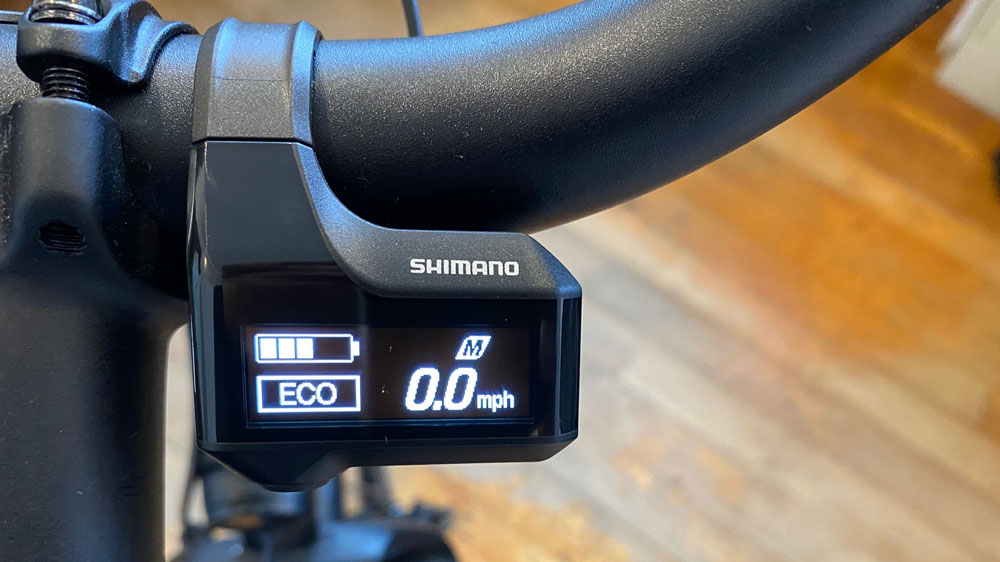
Regularly monitor via your bike’s app or display for health insights.
Proven Tips to Extend E Bike Battery Life
Maximizing e bike battery life comes down to smart habits. Here are expert-recommended strategies:
Charging Best Practices
- Charge to 80-90% for daily use; reserve 100% for long rides only.
- Avoid deep discharges—recharge before dropping below 20%.
- Use the original charger and unplug once full to prevent overcharging.
- Charge at room temperature; let cold batteries warm up first.

https://powerpedalse-bikes.com
Storage Tips
- Store at 40-60% charge in a cool, dry place (50-70°F/10-21°C).
- Check and top up every 2-3 months during off-season.
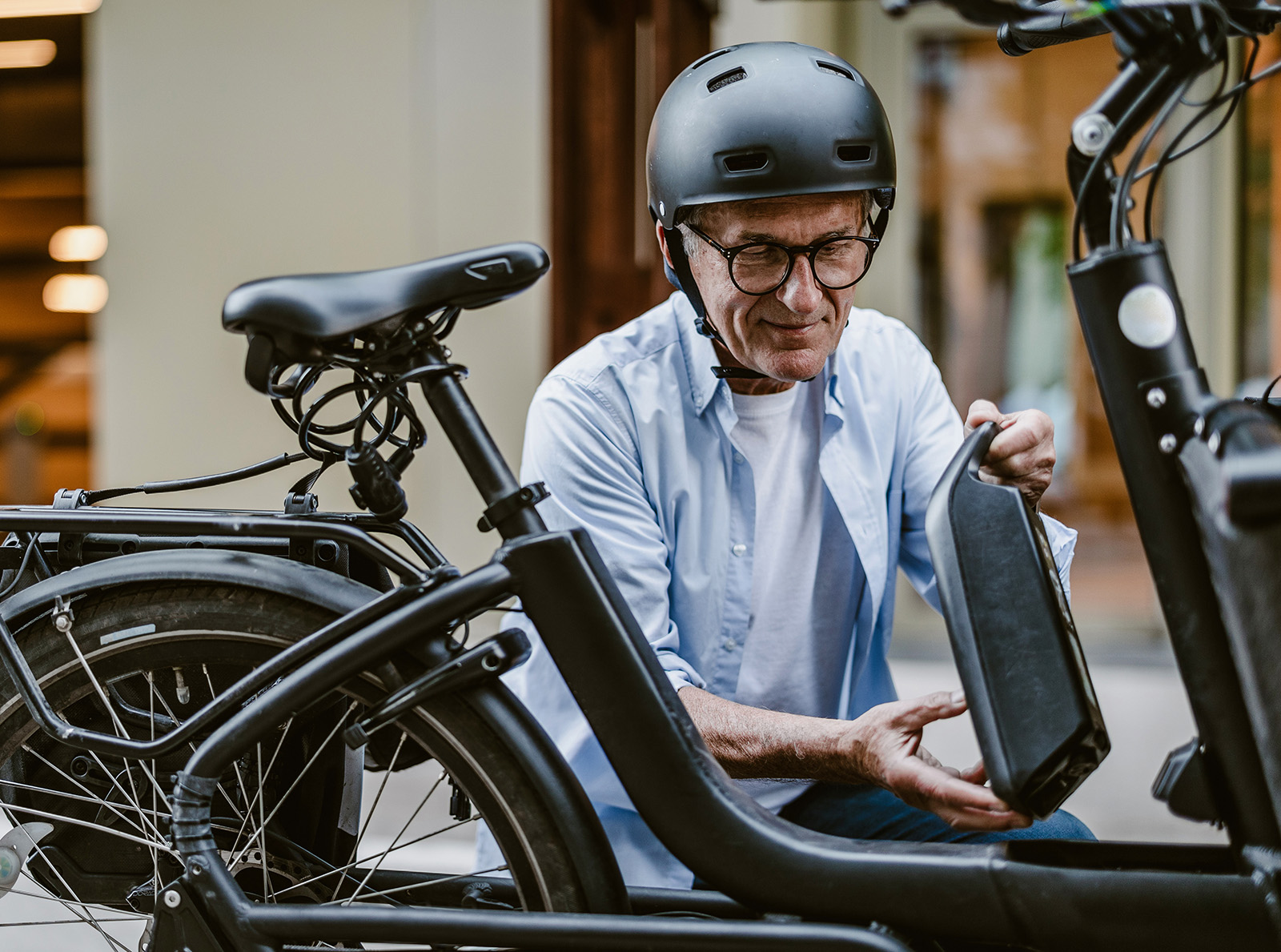
- Remove from bike if possible to avoid temperature extremes.
Riding Habits for Better Efficiency
- Use eco or low-assist modes when possible.
- Pedal actively—consistent cadence helps the motor work efficiently.
- Maintain proper tire pressure and keep the bike clean.
- Avoid frequent stops/starts; ride smoothly.
- Plan routes with fewer hills or use higher assist strategically.
Following these can extend e bike battery life by 20-40%, adding years of reliable performance.
Common Myths About E Bike Battery Life
- Myth: You must fully discharge before charging. False—partial charges are better for lithium-ion.
- Myth: Overnight charging damages the battery. Modern chargers stop at full, but unplugging is safer.
- Myth: Cold weather permanently kills batteries. It reduces temporary range but proper storage prevents damage.
When and How to Replace Your Battery
Replacement costs $400-800 depending on capacity. Look for reputable brands (Samsung, LG, Panasonic cells) and check warranties (often 2-5 years). Professional installation is recommended for safety.
Recycling old batteries is essential—many shops or manufacturers offer programs to handle lithium responsibly.
Conclusion: Get the Most From Your E Bike Battery Life
A well-cared-for e-bike battery can provide years of dependable power, turning every ride into an enjoyable experience. By understanding the factors that influence e bike battery life and adopting simple maintenance routines, you’ll maximize range, reduce costs, and extend longevity. Whether commuting or exploring trails, these tips ensure your e-bike stays charged for countless adventures ahead. Ride smart, charge wisely, and enjoy the freedom!
