
The Northern Territory offers some of Australia’s most breathtaking and diverse riding terrain — from the humid coastal paths of Darwin to the rugged red deserts around Alice Springs. If you’re searching for an electric bike Northern Territory experience that combines adventure, convenience, and eco-friendly exploration, you’re in the right place.
Whether you’re a local commuter dodging Darwin’s tropical heat, a tourist tackling outback trails, or someone wanting to explore national parks without exhaustion, an electric bike (e-bike) is the perfect companion. This comprehensive guide covers everything you need to know about choosing, riding, maintaining, and enjoying an electric bike Northern Territory style — all updated for 2026.
Why an Electric Bike Makes Perfect Sense in the Northern Territory
The NT’s unique environment demands a smart ride. In the Top End, temperatures regularly exceed 35°C with high humidity during the wet season, while the Red Centre brings dry heat, dust, and long distances between attractions. Traditional pedaling can quickly become exhausting.
An electric bike Northern Territory riders love provides pedal-assist power that cuts fatigue dramatically. You can cruise 30–50 km on a single charge while still getting exercise. E-bikes are quiet, emission-free, and ideal for wildlife spotting in places like Kakadu or Litchfield National Parks. Many visitors and locals now use them for daily commutes, weekend explorations, and guided tours.
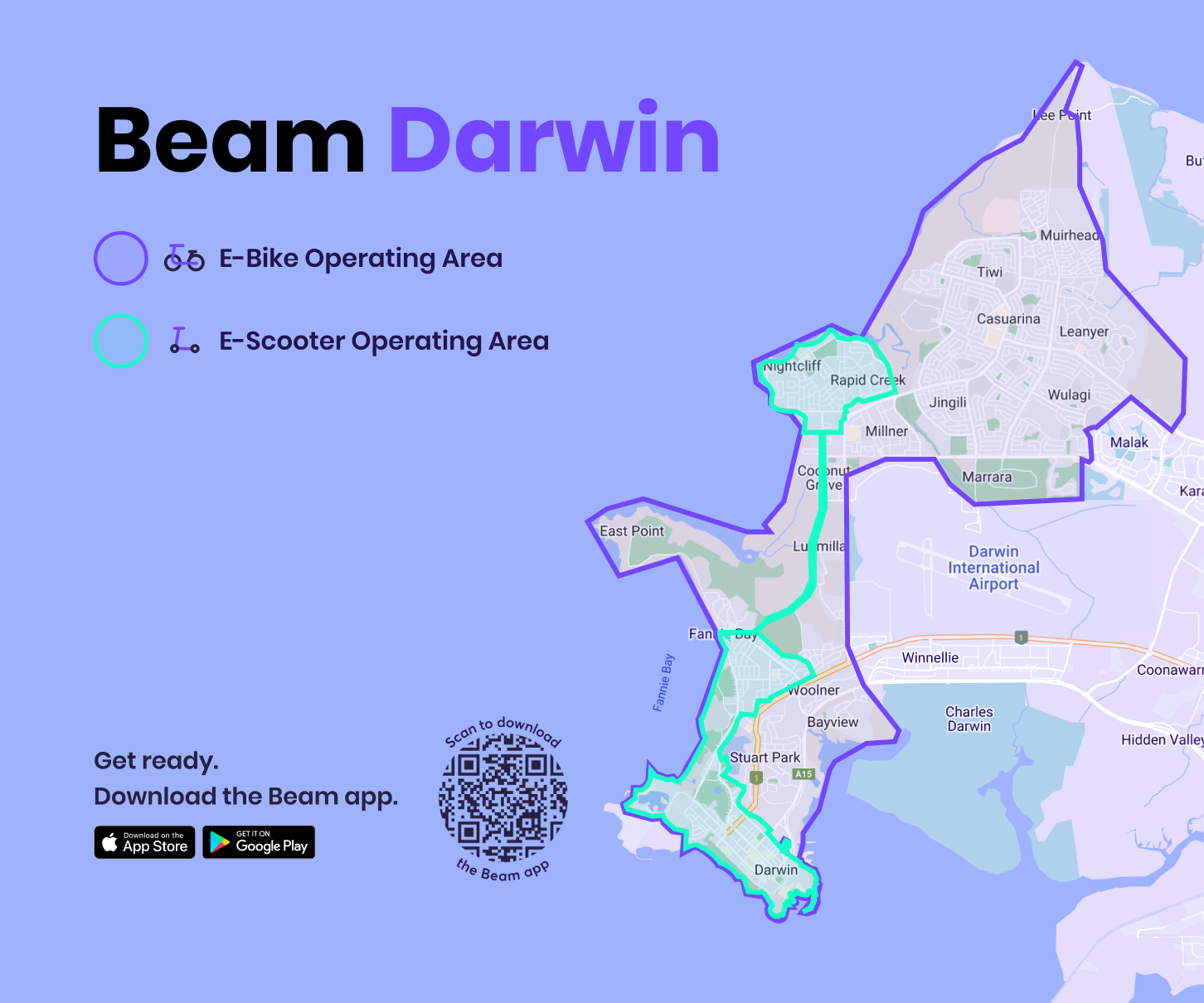
E-scooters & E-bikes | City of Darwin | Darwin Council, Northern Territory
Key advantages include:
- Beating the heat without arriving drenched in sweat
- Conquering gentle hills around Darwin’s suburbs or the MacDonnell Ranges
- Carrying extra water, camera gear, or picnic supplies thanks to strong frames and racks
- Accessing more of the NT sustainably — perfect for eco-conscious travellers
E-Bike Laws and Regulations in the Northern Territory
Understanding the rules keeps your electric bike Northern Territory adventures legal and safe.
According to the NT Government, standard e-bikes (pedal-assist up to 250W with motor assistance cutting out at 25 km/h) are treated exactly like regular bicycles. No driver’s licence, registration, or insurance is required. You must wear an approved helmet, follow all bicycle road rules, and can ride on roads, shared paths, and many footpaths (unless signed otherwise).
There is a distinction for lower-powered “power-assisted cycles” limited to 200W. Most modern e-bikes sold in Australia meet the European EN 15194 standard and qualify as legal pedalecs in the NT.
Important notes for 2026:
- Private e-scooters remain banned on public land — stick to e-bikes
- Hire schemes like Beam operate e-bikes and e-scooters in designated Darwin zones
- Always check national park rules; some trails may have restrictions on motorised assistance
Riding responsibly ensures everyone can continue enjoying these freedoms.
Best Places to Ride Your Electric Bike in the Northern Territory
Darwin and the Top End
Darwin’s extensive network of shared paths and coastal trails is perfect for e-bikes. Start at the Darwin Waterfront, ride past Mindil Beach for sunset markets, continue to Nightcliff and Casuarina. The Palmerston to Darwin path offers a smooth, car-free 20+ km route.
E-bike operating zones extend further than e-scooters, reaching Charles Darwin University and outer suburbs. Guided bike tours often include stops at the Museum and Art Gallery or East Point Reserve.

https://powerpedalse-bikes.com
Darwin Bike Tours (2026) – All You Need to Know BEFORE You Go (with Reviews)
Alice Springs and the Red Centre
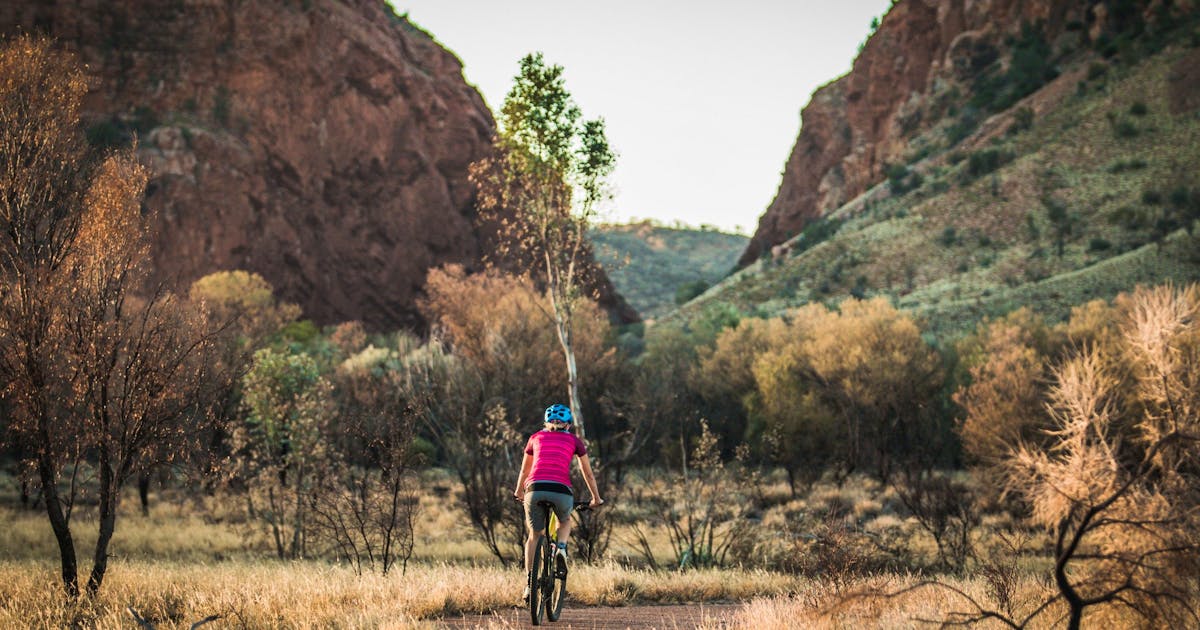
The MacDonnell Ranges and surrounding desert provide epic scenery. The Simpsons Gap Sunset E-Bike Tour by Red Centre Adventures is a highlight — gentle assisted pedaling lets you focus on the spectacular gorges and wildlife rather than exhaustion.
Other favourites:
- The Larapinta Trail (sections suitable for e-MTBs)
- Uluru-Kata Tjuta National Park bike paths (electric assistance makes the red sand and distances manageable)
- Old Ghan Rail alignments converted for cycling

National Parks and Remote Adventures
Litchfield and Kakadu have some accessible tracks where e-bikes shine for day trips. Fat-tire models handle sandy or gravel sections beautifully. Always verify current trail access with park authorities, as wet-season flooding can close routes.
Recommended Electric Bike Types for NT Conditions
The harsh NT climate and varied terrain call for specific features:
Commuter/Hybrid E-Bikes — Ideal for Darwin paths. Look for models with strong lights, fenders, and cargo racks. Popular choices include Trek, Electra, and local favourites available at Cycle Zone Darwin.
Electric Mountain Bikes (e-MTBs) — Essential for Red Centre trails and national parks. Full-suspension models with 500–750Wh batteries and fat tires perform best in sand and rocky terrain.
Fat-Tire E-Bikes — Excellent all-rounders for beach access, wet-season mud, and desert sand.
Performance Off-Road Models — Darwin EV specialises in Surron and Talaria upgrades for those wanting more power on private land (note: these may exceed legal limits for public roads).
When shopping for an electric bike Northern Territory conditions demand, prioritise IP65+ water and dust resistance, large batteries, and reliable service networks.
Where to Buy, Rent, or Service Your E-Bike in the NT
Darwin:
- Cycle Zone Darwin — full range of e-bikes, expert servicing, and accessories on Cavenagh Street
- Electric Kicks — specialist online and local delivery options tailored for Top End riders
Alice Springs:
- My Ride Alice Springs — rents e-bikes ($150/day), sells major brands, and offers guided tours
- Bicycle Centre Alice Springs — comprehensive workshop and sales
Facebook Marketplace and bikesales.com.au regularly list quality second-hand options in both cities. Buying locally ensures access to warranty service in the challenging climate.

Cycle Zone Darwin | Sell & Service Bicycles
Essential Maintenance Tips for Electric Bikes in the Northern Territory
NT conditions (extreme heat, red dust, humidity, and sudden monsoons) require extra care:
- Battery Management — Never leave your battery in direct sunlight. Charge indoors between 15–25°C. In the wet season, use a protective cover.
- Cleaning Routine — Rinse dust and salt weekly with fresh water (avoid high-pressure on electronics). Dry thoroughly and apply chain lube suitable for dusty environments.
- Tire and Brake Checks — Inspect for wear more frequently on sandy trails. Carry a puncture repair kit.
- Storage — During the build-up or wet season, store your e-bike in a shaded, ventilated garage.

Electric Bike Maintenance and Care Guide
Following these steps can double the lifespan of your electric bike Northern Territory investment.
Safety Tips for Riding in the NT
- Always wear a helmet and bright clothing
- Carry at least 2 litres of water per 20 km ride
- Use front and rear lights — tropical darkness falls quickly
- Check weather apps; avoid riding during lightning storms
- Inform someone of your route when heading remote
- Watch for wildlife (kangaroos, buffalo, crocodiles near waterways)
The Future of Electric Bikes in the Northern Territory
With growing tourism and increasing fuel prices, e-bike adoption continues to rise. Hire schemes are expanding, more trails are being developed, and local businesses are stocking models designed for Australian conditions. By 2030, expect even better infrastructure supporting electric bike Northern Territory exploration.
Ready to Start Your Electric Bike Northern Territory Adventure?
Whether you’re commuting across Darwin, watching sunset at Simpsons Gap, or cruising past Uluru, an e-bike transforms how you experience this incredible part of Australia.
Visit Cycle Zone Darwin or My Ride Alice Springs today, or browse trusted online specialists for delivery to the NT. Your perfect electric bike Northern Territory awaits — the open road (and trail) is calling.
Safe riding, stay hydrated, and enjoy the Territory’s magic the electric way!
Last updated February 2026. Always check current regulations and trail conditions before riding.
