
Electric bikes, or e-bikes, have revolutionized the way Australians get around, offering an eco-friendly, efficient, and fun alternative to traditional cycling or driving. Whether you’re commuting through bustling city streets in Sydney, exploring coastal paths in Queensland, or tackling hilly terrains in Victoria, learning how to ride an e-bike in Australia can open up a world of possibilities. This guide covers everything from legal requirements to practical tips, ensuring you’re ready to hit the road safely and confidently. With the rise in e-bike popularity—sales have surged by over 50% in recent years according to industry reports—it’s essential to understand the basics and beyond.
In this detailed post, we’ll break down the key aspects of e-bike riding tailored to Australian conditions. From selecting the right model to mastering riding techniques and staying compliant with 2026 regulations, you’ll find all the information needed to make your e-bike experience enjoyable and hassle-free.
What Is an E-Bike and Why Choose One in Australia?
An e-bike is essentially a bicycle equipped with an electric motor that assists your pedaling, making it easier to cover longer distances or climb inclines without excessive effort. Unlike motorcycles, e-bikes require you to pedal to activate the motor, promoting a blend of exercise and powered assistance.
In Australia, e-bikes are particularly appealing due to our diverse landscapes and urban sprawl. They help reduce traffic congestion in cities like Melbourne and Brisbane, lower carbon emissions, and provide a cost-effective transport option—saving on fuel and parking fees. Plus, with Australia’s vast network of bike paths and trails, e-bikes make exploring places like the Great Ocean Road or the Dandenong Ranges more accessible for all fitness levels.
If you’re new to this, figuring out how to ride an e-bike in Australia starts with understanding the types available and the rules that govern them. Let’s dive into the regulations first, as they form the foundation of safe and legal riding.
E-Bike Laws and Regulations in Australia: 2026 Updates
Before you start riding, it’s crucial to know the legal framework. As of 2026, Australia has standardized e-bike regulations under the European Standard EN 15194, reinstated by the federal government to ensure safety and consistency across states. This move addresses previous inconsistencies, particularly in New South Wales (NSW), which has phased out its 500W allowance to align with the national 250W limit.
Key legal requirements for e-bikes in Australia include:
- Power and Speed Limits: The motor must not exceed 250 watts of continuous power, and assistance cuts off at 25 km/h. Throttles are allowed only for “walk-assist” up to 6 km/h; beyond that, you must pedal.
- Classification: Legal e-bikes are treated as regular bicycles, not motor vehicles. If your e-bike exceeds these limits (e.g., over 250W or full throttle capability), it may be classified as a moped or motorcycle, requiring registration, a license, and insurance.
- Helmet Mandate: Helmets are compulsory for all riders nationwide. No exceptions—it’s a simple rule that saves lives.
- Age Restrictions: There’s no minimum age to ride an e-bike, but children under 16 may need supervision on public roads. Always check state-specific guidelines.
- Where You Can Ride: E-bikes can be used on most bike paths, shared paths, and roads where bicycles are permitted. However, they’re banned from certain trains in Victoria and NSW if they’re converted models (regular bikes retrofitted with motors). In Queensland, for example, you can ride on most paths unless signage prohibits bikes.
- Other Rules: Obey speed limits, give way to pedestrians, and avoid using your phone while riding (unless hands-free). Carrying passengers is only allowed if the bike is designed for it, and they must wear helmets too.
Penalties for non-compliance can include fines up to $500 or bike seizure, especially for modified or imported non-compliant models. To stay legal, purchase from reputable Australian retailers who certify compliance.
Understanding these laws is the first step in learning how to ride an e-bike in Australia safely. Now, let’s move on to selecting your ride.
Choosing the Right E-Bike for Australian Riding
With so many options, picking an e-bike can feel overwhelming. Factors like terrain, usage, and budget play a big role. In Australia, where weather can vary from humid tropics to dry outback, opt for models with weather-resistant components.
Common types include:
- Commuter E-Bikes: Ideal for city riding, with upright postures and racks for carrying items.
- Mountain E-Bikes (eMTBs): Built for off-road trails, featuring suspension and rugged tires—perfect for Australian national parks.
- Folding E-Bikes: Compact for urban dwellers or public transport users.
- Cargo E-Bikes: Great for families or deliveries, with extra storage.
Consider battery range (aim for 50-100 km per charge), motor type (hub vs. mid-drive), and frame size for comfort. Prices start from $1,000 for basic models up to $5,000+ for premium ones.
Test ride several at a local shop to find what suits your style. Remember, Australian conditions demand good brakes and lights for variable weather.

https://powerpedalse-bikes.com
E-bikes 101: Gear Up for Electric Riding
Essential Safety Gear and Preparation
Safety should never be an afterthought when figuring out how to ride an e-bike in Australia. Beyond the mandatory helmet, invest in high-visibility clothing, gloves, and padded shorts for comfort on longer rides.
Recommended gear:
- Helmet: Australian Standards-approved (AS/NZS 2063) with good ventilation.
- Lights and Reflectors: Front white and rear red lights are required for night riding; bells or horns for alerting others.
- Protective Clothing: Reflective vests, especially in low-light areas like rural roads.
Before your first ride, adjust the seat height so your knees are slightly bent at the pedal’s bottom. Check tire pressure (usually 30-50 PSI), brakes, and battery charge. Familiarize yourself with the assist levels—start on low to get a feel for the power.
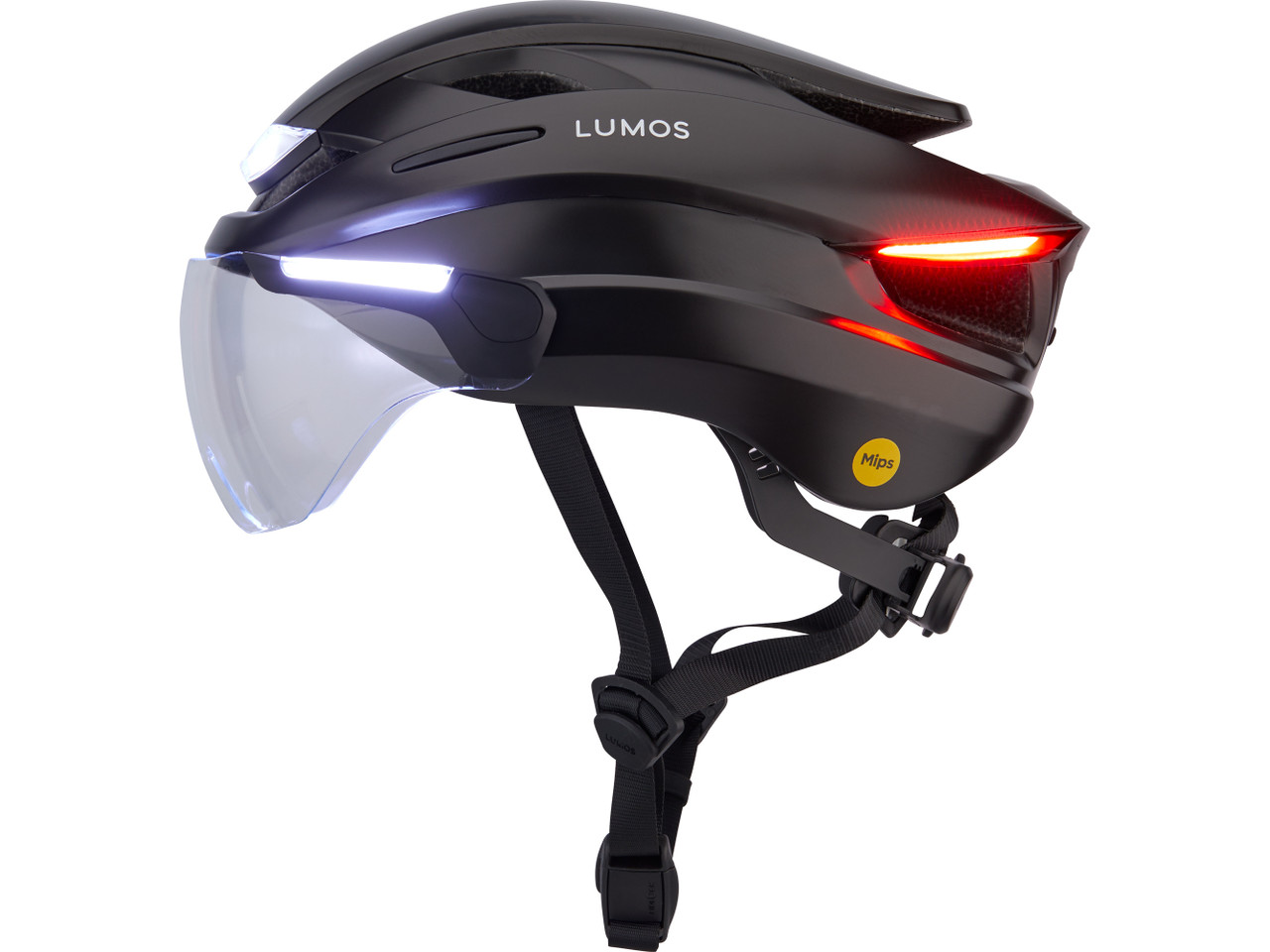
Lumos Ebike Helmet Lumos Ultra E-Bike Helmet & Firefly Bike Lights Bundle – Integrated Turn Signals, Brake Lights, Remote Control – Smart Cycling Safety Kit Lumos Light
Step-by-Step: How to Ride an E-Bike in Australia for Beginners
Ready to roll? Here’s a beginner-friendly guide to getting started.
- Mounting the Bike: Straddle the frame, place one foot on the ground, and swing the other over. For heavier e-bikes, tilt it slightly toward you.
- Starting Up: Turn on the power (usually a button on the handlebar display). Select a low assist level. Push off with your foot while pedaling gently—the motor will engage smoothly.
- Pedaling and Assisting: Pedal as you would on a regular bike; the motor boosts your effort up to 25 km/h. Use gears to match terrain—lower for hills, higher for flats.
- Braking: Squeeze brakes evenly to avoid skidding. E-bikes are heavier, so anticipate stops earlier, especially in wet Australian weather.
- Turning and Maneuvering: Lean into turns, signal with hand gestures, and scan for traffic. Practice in a quiet area first.
- Dismounting: Slow down, put one foot down, and step off carefully.
In traffic-heavy areas like Perth or Adelaide, stay in bike lanes and be predictable. For hills, increase assist but keep pedaling to conserve battery.
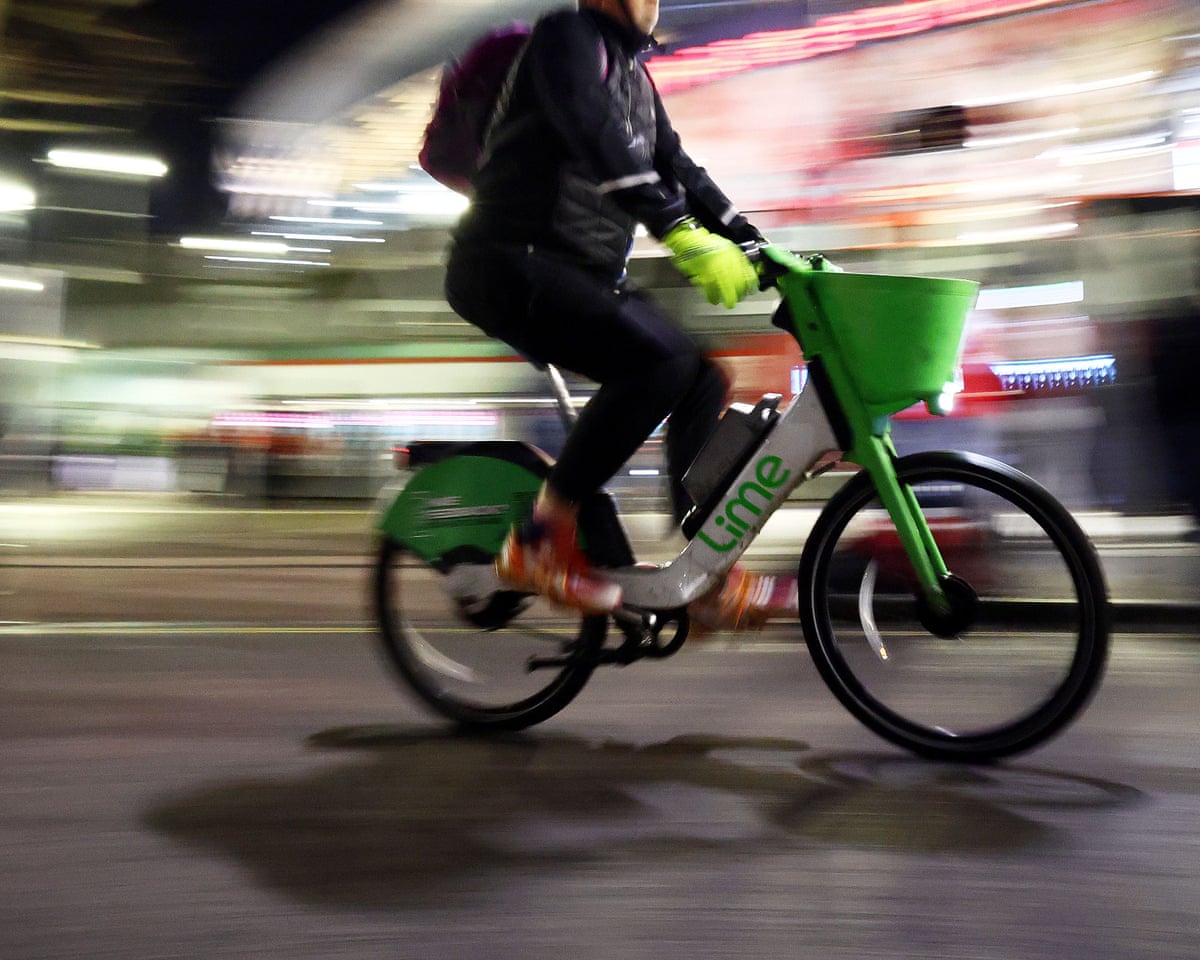
Rental ebike programs booming in Australian cities as e-scooter ‘moral panic’ sees take-up stall | Transport | The Guardian
Advanced Riding Tips for Australian Conditions
Once comfortable, elevate your skills. In windy coastal regions, use higher assist to combat headwinds. For off-road adventures in Tasmania’s trails, opt for eMTBs with fat tires.
- Battery Management: Monitor range; hot Aussie summers can reduce efficiency, so charge in shade.
- Traffic Navigation: Ride defensively—assume drivers might not see you. Use mirrors if fitted.
- Group Riding: Maintain spacing; e-bikes can accelerate quickly.
- Wet Weather: Reduce speed on slippery roads; Australia’s rainy seasons demand caution.
Join local e-bike communities or apps like Strava for route ideas and group rides.
Best Places to Ride an E-Bike in Australia
Australia boasts incredible spots for e-bike enthusiasts. Urban commuters love Sydney’s Harbour Bridge cycleway or Melbourne’s Capital City Trail. For nature, try the Munda Biddi Trail in Western Australia or the Rail Trails in Victoria—e-bikes make these long paths manageable.
Always check for e-bike permissions in national parks; some restrict motorized vehicles.
E-Bike Maintenance: Keeping Your Ride in Top Shape
Regular upkeep ensures longevity. Check brakes monthly, clean the chain after dusty rides, and store batteries at 50-80% charge in cool, dry places.
- Battery Care: Avoid full discharges; charge after each use.
- Tire and Brake Checks: Inflate tires weekly; replace pads as needed.
- Professional Servicing: Annual tune-ups at a bike shop.
Neglecting maintenance can lead to costly repairs, so stay proactive.

Electric Bike Maintenance and Care Guide
Common Mistakes to Avoid
New riders often overuse assist, draining batteries quickly, or forget to signal in traffic. Don’t modify your e-bike—it could void warranties and break laws. Always lock it securely to prevent theft, a growing issue in cities.
Conclusion: Embrace the E-Bike Lifestyle in Australia
Mastering how to ride an e-bike in Australia combines legal knowledge, practical skills, and a sense of adventure. With these tips, you’re set for sustainable, enjoyable journeys. Whether reducing your carbon footprint or simply enjoying the outdoors, e-bikes offer freedom like no other. Start slow, stay safe, and explore—Australia’s waiting! If you have questions, consult local authorities or join an e-bike forum for personalized advice.
