
In the stunning landscapes of New Zealand, where pristine nature meets modern living, the rise of sustainable transport options is transforming how we move. One standout choice is the electric bike zero emission NZ, a perfect blend of innovation, efficiency, and environmental responsibility. As Kiwis increasingly seek ways to reduce their carbon footprint while enjoying the outdoors, electric bikes are gaining popularity for their zero-emission operation and versatility. This comprehensive guide dives deep into everything you need to know about electric bike zero emission NZ, from the basics to advanced tips, helping you make an informed decision for a greener ride.
Understanding Electric Bikes: The Basics
Electric bikes, often called e-bikes, are bicycles equipped with an electric motor that assists the rider’s pedaling. Unlike traditional motorcycles, they don’t rely solely on the motor; instead, they enhance your natural pedaling power, making hills and long distances more manageable. In the context of electric bike zero emission NZ, these vehicles produce no tailpipe emissions during use, aligning perfectly with New Zealand’s commitment to clean energy.
E-bikes come in various styles, including commuter models for city streets, mountain bikes for rugged trails, and cargo versions for carrying loads. The motor is powered by a rechargeable battery, typically lithium-ion, which can be charged at home using standard outlets. With New Zealand’s renewable energy grid—largely hydroelectric and wind-powered—charging an e-bike here means even the electricity source is low-emission.

https://powerpedalse-bikes.com
The Best E-Bike Trails in Queenstown
What sets electric bikes apart is their accessibility. Riders of all ages and fitness levels can enjoy cycling without the exhaustion of a regular bike. For instance, in hilly areas like Wellington or Queenstown, an electric bike zero emission NZ allows you to conquer inclines effortlessly, opening up scenic routes that might otherwise be daunting.
The Zero Emission Advantage: Why It Matters in NZ
Zero emissions mean no harmful pollutants are released from the bike itself, contributing to cleaner air and a healthier planet. In New Zealand, where transport accounts for nearly half of the country’s carbon emissions, switching to an electric bike zero emission NZ can make a significant impact. According to the NZ Transport Agency, promoting low-emission vehicles like e-bikes is key to achieving a sustainable transport future.
Traditional petrol-powered bikes and cars emit greenhouse gases, but e-bikes run on electricity, producing zero direct emissions. Even when factoring in battery production and charging, studies show e-bikes have a much lower lifecycle carbon footprint compared to cars or even public transport for short trips. In NZ, with our clean energy mix, this advantage is amplified. Brands like UBCO emphasize how their electric bikes reduce both emissions and fuel costs, making them ideal for eco-conscious riders.
Imagine cruising along the Otago Rail Trail or commuting in Auckland without contributing to urban smog. The quiet operation of an electric bike zero emission NZ also minimizes noise pollution, preserving the tranquility of NZ’s natural environments.

Why Choose Zero Emissions Day: Go Electric and Ebike for a Greener Fut – HOVSCO
Moreover, zero-emission riding supports broader environmental goals. Initiatives like Māori-led e-bike programs in Aotearoa highlight how these bikes foster cultural connections, health benefits, and reduced emissions, integrating sustainability with community values.
Electric Bikes in the New Zealand Context
New Zealand’s diverse terrain—from flat urban paths in Christchurch to mountainous tracks in Fiordland—makes electric bike zero emission NZ an excellent fit. The country’s push towards sustainability, including government incentives for low-emission transport, has boosted e-bike adoption.
Recent trials across NZ show that with proper support, like loans and infrastructure, people from various communities switch to e-bikes readily. In urban areas, e-bikes reduce traffic congestion and parking woes, while in rural settings, models like the UBCO 2X2 excel in off-grid adventures, charging via solar panels for true zero-emission mobility.
The market is thriving, with local distributors offering brands such as Zero Motorcycles, which provide high-performance, emission-free rides tailored to NZ’s clean grid. Electric dirt bikes from Surron are popular for trails, emphasizing low noise and maintenance.

Ride to the Sky E-bike Tour | Queenstown Adventure | Go New Zealand
For commuters, e-bikes cut down on fuel expenses and promote active lifestyles. With NZ’s focus on renewable energy, charging your electric bike zero emission NZ often means using green power, further lowering your environmental impact.
Popular Electric Bike Models Available in NZ
When exploring electric bike zero emission NZ options, several models stand out for their performance and eco-friendliness.
- UBCO 2X2: A rugged, all-terrain bike perfect for farms or adventures. It charges in 4-6 hours and supports solar for off-grid use. Price around $8,000-$10,000 NZD.
- Zero FXE: An urban warrior with instant torque and a range suitable for city commutes. Priced at about $21,000 NZD, it’s street-legal and emission-free.
- Surron Light Bee: Ideal for trails, with zero emissions and low noise. Great for NZ’s eco-trails, starting from $5,000 NZD.
- Kawasaki Ninja e-1: A sporty option with no emissions, perfect for thrill-seekers.
Local shops like Evo Cycles offer a wide range, from mountain to commuter e-bikes.
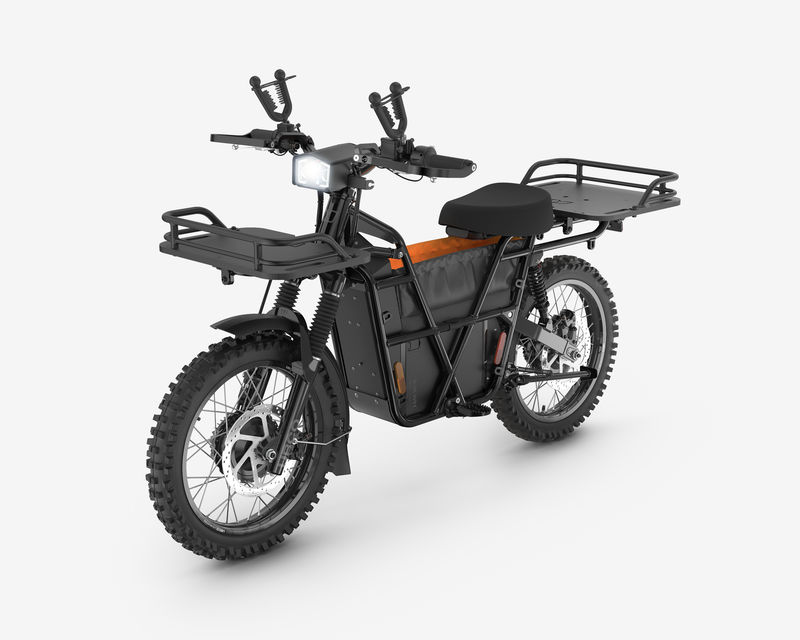
These models vary in battery life (typically 50-100 km per charge) and speed (up to 45 km/h for pedal-assist in NZ).
Health and Environmental Benefits
Riding an electric bike zero emission NZ isn’t just about the environment—it’s a boon for personal health. E-bikes encourage more cycling, leading to improved fitness, mental well-being, and reduced stress. Studies in NZ show e-bike programs enhance social participation and family connectedness.
Environmentally, they help combat climate change. By replacing car trips, one e-bike can save hundreds of kilograms of CO2 annually. In NZ, where renewable energy powers most electricity, the overall emissions are minimal.

Sport Bike 2.0 | Zero Emission | HydroRide Europe AG
Additionally, e-bikes are cost-effective: Low maintenance (no oil changes), cheap charging (about $0.50 per full charge), and longevity make them a smart investment.
Laws and Regulations for Electric Bikes in NZ
In New Zealand, e-bikes are classified as bicycles if the motor is under 300W and assists only when pedaling, with a max speed of 32 km/h. No license is needed, but helmets are mandatory. For higher-powered models like electric motorcycles, registration and a license are required.
Stay on cycle paths and roads, and follow local council rules. For off-road use, check land access permissions to protect sensitive ecosystems.
Tips for Buying and Maintaining Your Electric Bike
When purchasing an electric bike zero emission NZ, consider your needs: Commuting? Opt for a model with good range. Trails? Go for suspension and durability.
Test ride at stores like MeloYelo or online via Evo Cycles. Budget: Entry-level at $2,000, premium up to $10,000.
Maintenance: Charge batteries properly, keep tires inflated, and service annually. Brands like Bosch offer sustainable components with low-CO2 materials.

NZ electric bike maker reveals first model | BusinessDesk
Conclusion: Ride Towards a Sustainable Future
Embracing an electric bike zero emission NZ is more than a choice—it’s a step towards a cleaner, healthier Aotearoa. With benefits spanning environmental protection, personal wellness, and cost savings, e-bikes are revolutionizing mobility. Whether you’re exploring trails or commuting daily, these zero-emission wonders fit seamlessly into NZ life. Ready to make the switch? Visit a local dealer and experience the freedom today.
