
In the world of electric bikes, the battery is the heart of your ride. If you’re exploring options for powering your e-bike, an electric bike battery 36V stands out as a popular choice for many riders. It offers a great balance of performance, affordability, and efficiency, making it ideal for daily commutes, leisurely trails, or even light off-road adventures. Whether you’re a beginner looking to upgrade your setup or a seasoned cyclist curious about battery specs, this comprehensive guide dives deep into everything related to 36V e-bike batteries. We’ll cover types, benefits, maintenance, and more to help you make informed decisions and get the most out of your electric bike experience.

Amazon.com : YS YOSE POWER Ebike Battery 36V 13Ah Compatible with …
What is an Electric Bike Battery 36V?
At its core, an electric bike battery 36V refers to a power source rated at 36 volts, which is a common voltage standard in the e-bike industry. Voltage determines the power output and speed potential of your bike’s motor. A 36V system typically consists of multiple battery cells arranged in series—often 10 cells for lithium-ion types—to achieve this voltage. The actual operating range might fluctuate between about 30V (minimum safe discharge) and 42V (fully charged), ensuring stable performance during rides.
These batteries are designed to work seamlessly with e-bike motors rated for 36V, providing enough juice for speeds up to 20-28 mph, depending on local regulations and motor wattage. They’re lighter and more compact compared to higher-voltage options, which makes them perfect for urban riders who prioritize portability over raw power. If you’re new to e-bikes, think of the battery as the fuel tank—its voltage influences how efficiently that “fuel” is delivered to propel you forward.
Benefits of a 36V E-Bike Battery
Choosing an electric bike battery 36V comes with several advantages that cater to a wide range of users. First and foremost, it’s energy-efficient. With a lower voltage, these batteries consume less power for moderate speeds, which can translate to longer ride times on a single charge, especially in flat or mildly hilly terrains.
Another key benefit is cost-effectiveness. 36V batteries are generally more affordable than their 48V or 52V counterparts, both in initial purchase and replacement costs. This makes them an excellent entry point for budget-conscious riders without sacrificing reliability. Additionally, they tend to be lighter, weighing around 5-10 pounds depending on capacity, which improves bike handling and makes it easier to carry or store your e-bike.
From a performance standpoint, a 36V setup provides smooth acceleration and is sufficient for most commuting needs. Riders often report better battery longevity in everyday use, as the lower voltage puts less stress on the cells during operation. Plus, they’re widely compatible with many e-bike models, from folding bikes to mountain e-bikes, offering versatility for different riding styles.
Types of 36V Batteries for Electric Bikes
When shopping for an electric bike battery 36V, you’ll encounter several types, each with unique characteristics. The most common is the lithium-ion (Li-ion) battery, known for its high energy density and lightweight design. Li-ion batteries can deliver 500-1,000 charge cycles, making them durable for years of use. Within this category, Lithium Iron Phosphate (LiFePO4) variants stand out for their safety and longer lifespan—up to 4,000 cycles in some cases—though they might be slightly heavier.
Older types like sealed lead-acid (SLA) batteries are cheaper but bulkier and have shorter lifespans (around 200-300 cycles). They’re less common now due to their weight and lower efficiency, but they can still be found in budget e-bikes. Nickel-metal hydride (NiMH) batteries are another option, offering a middle ground in terms of cost and performance, but they’re being phased out in favor of lithium-based tech.
For specialized needs, some 36V batteries come in rack-mounted, bottle-style, or integrated frame designs, allowing for easy installation and aesthetics that blend with your bike’s look.


Capacity and Range: What to Expect from a 36V Battery
Capacity is measured in amp-hours (Ah) or watt-hours (Wh), where Wh = Voltage x Ah. For an electric bike battery 36V, common capacities range from 10Ah (360Wh) to 20Ah (720Wh). A 10Ah battery might give you 20-40 miles of range on pedal-assist mode, while a 20Ah one could extend that to 50-70 miles, depending on factors like rider weight, terrain, wind, and assist level.
Real-world range varies: Flat city streets might yield the upper end, while hills or heavy loads reduce it. To maximize range, opt for higher-capacity batteries if you plan long trips. Remember, higher capacity doesn’t always mean heavier—advances in cell technology keep weights manageable.
| Capacity (Ah) | Watt-Hours (Wh) | Estimated Range (Miles) | Typical Use Case |
|---|---|---|---|
| 10Ah | 360Wh | 20-40 | Short commutes |
| 13Ah | 468Wh | 30-50 | Daily errands |
| 15Ah | 540Wh | 40-60 | Weekend rides |
| 20Ah | 720Wh | 50-70 | Long tours |
This table illustrates how capacity impacts your riding potential, helping you match the battery to your lifestyle.
Charging Your 36V E-Bike Battery
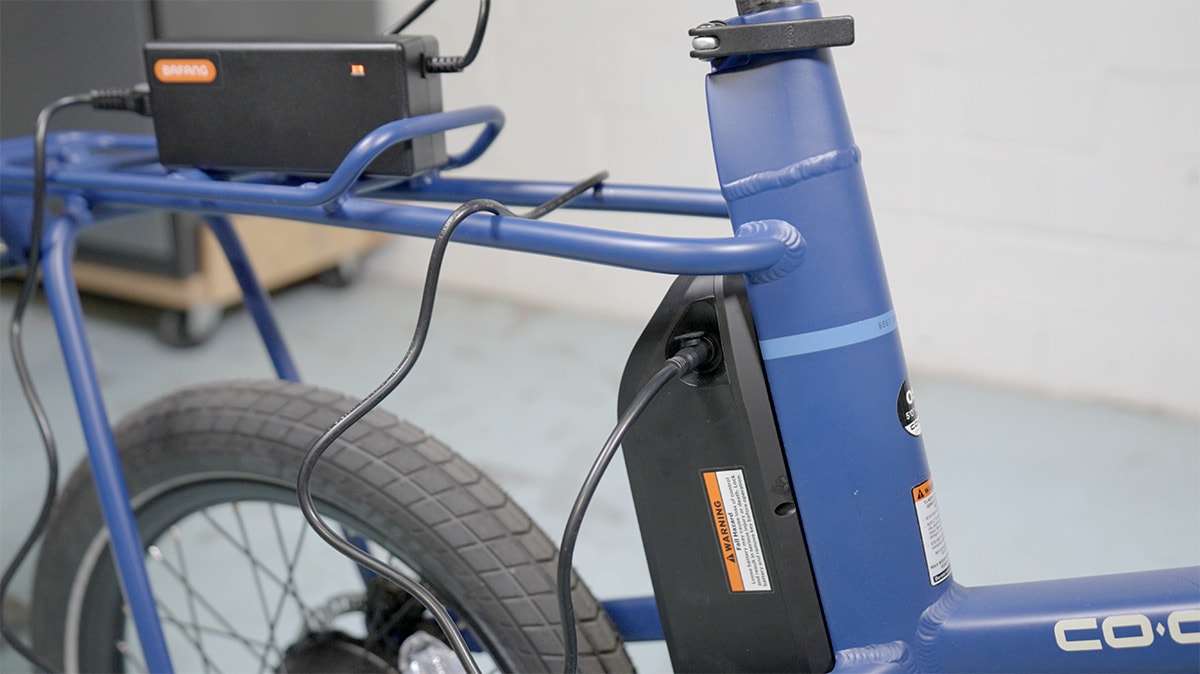
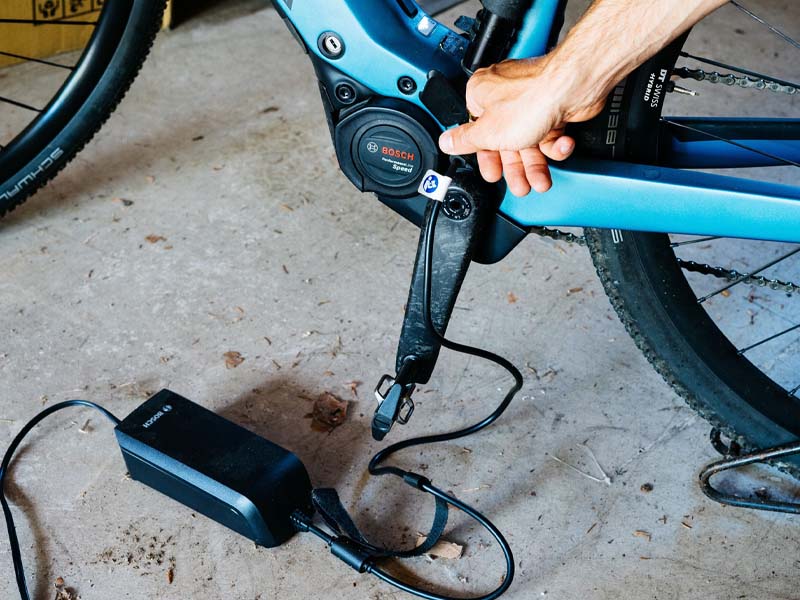
Charging an electric bike battery 36V is straightforward but requires the right practices for safety and longevity. Most come with a dedicated charger that outputs up to 42V to fully top off the cells. A standard charge from empty takes 4-6 hours, though fast chargers can cut this to 2-3 hours.
Always use the manufacturer-provided charger to avoid overvoltage issues. Charge in a cool, dry place, and aim to keep the battery between 20-80% state of charge (SOC) for daily use—this can double its lifespan compared to constant full charges. Avoid leaving it plugged in overnight if possible, and never charge below freezing temperatures to prevent cell damage.
https://powerpedalse-bikes.com
Maintenance Tips for Extending Battery Lifespan
Proper maintenance is crucial for getting the most from your electric bike battery 36V. On average, these batteries last 2-5 years or 500-1,000 cycles with good care. Store them at 60-70% charge in a temperature-controlled environment (ideally 50-77°F) to minimize degradation.
Regularly inspect for damage, clean terminals, and avoid deep discharges below 20%. If not using the bike for months, recharge every 3-6 months. For winter storage, disconnect the battery and keep it indoors. Following these tips can help you achieve up to 1,000 cycles or more.


Comparison: 36V vs 48V E-Bike Batteries
While a 36V battery excels in efficiency and cost, how does it stack up against a 48V one? A 48V system offers more power and torque, ideal for steep hills or faster speeds (up to 28-35 mph). However, it might drain faster under heavy load and costs more upfront.
In contrast, the electric bike battery 36V is lighter, cheaper, and sufficient for most riders. If your routes are flat or moderate, 36V provides better value. For demanding terrains, 48V might be worth the upgrade.
| Feature | 36V Battery | 48V Battery |
|---|---|---|
| Power Output | Moderate | High |
| Range (Similar Ah) | Slightly Longer | Slightly Shorter |
| Weight | Lighter | Heavier |
| Cost | Lower | Higher |
| Best For | Commuting | Hills/Off-Road |
This comparison highlights why 36V remains a favorite for everyday use.

How to Choose the Right 36V Battery for Your E-Bike
Selecting an electric bike battery 36V involves considering your riding habits, budget, and bike compatibility. Start with capacity: Go for 15-20Ah if you need extended range. Check for reputable brands with UL-certified cells for safety.
Ensure the battery fits your bike’s frame and has a reliable Battery Management System (BMS) to protect against overcharge or short circuits. Read reviews and warranties—aim for at least 1-2 years coverage. If upgrading, confirm motor compatibility to avoid performance issues.
Frequently Asked Questions About 36V E-Bike Batteries
How long does a 36V e-bike battery last on a single charge?
It depends on capacity and conditions, but typically 20-70 miles.
Can I upgrade from a 36V to a 48V battery?
Possibly, but it requires a compatible motor and controller—consult a professional.
What’s the average lifespan of a 36V lithium battery?
2-5 years or 500-1,000 cycles with proper maintenance.
Is a 36V battery safe for electric bikes?
Yes, especially lithium types with built-in safety features.
Conclusion
An electric bike battery 36V is a versatile, reliable choice that powers countless adventures without breaking the bank. By understanding its types, benefits, and care requirements, you can enjoy longer rides and fewer hassles. Whether you’re commuting to work or exploring trails, investing in a quality 36V battery will enhance your e-bike journey. Ready to power up? Check out compatible options and hit the road with confidence!
