
In the world of cycling, electric bikes have revolutionized how we commute, exercise, and explore. At the heart of every e-bike is its frame, a crucial component that influences everything from comfort to performance. If you’re in the market for an electric bike or simply curious about what makes these machines tick, understanding the electric bike frame is essential. This comprehensive guide dives deep into the types, materials, benefits, and maintenance tips for electric bike frames, helping you make an informed decision. Whether you’re a beginner or a seasoned rider, we’ll cover all the key aspects to ensure your next ride is smooth and enjoyable.
What is an Electric Bike Frame?
An electric bike frame serves as the skeleton of the bicycle, providing structural support for all other components like the motor, battery, wheels, and handlebars. Unlike traditional bike frames, those designed for electric bikes must accommodate additional weight from the electric system, which can include a hefty battery and a powerful motor. This means electric bike frames are engineered for enhanced durability, stability, and sometimes even aerodynamics to handle higher speeds and varied terrains.
The design of an electric bike frame often incorporates specific mounting points for the battery—either integrated into the frame for a sleek look or externally mounted for easy access. Frames also need to balance weight distribution to prevent tipping or instability, especially when accelerating with electric assistance. A well-designed electric bike frame ensures a comfortable riding posture, absorbs shocks from the road, and contributes to the overall efficiency of the bike’s power system.

File:Electric Bicycle Diagram.jpg – Wikimedia Commons
Electric bike frames come in various geometries tailored to different riding styles. For instance, some prioritize upright positioning for city commuting, while others feature aggressive angles for off-road adventures. The frame’s size is also critical; it should match your height and inseam for optimal pedaling efficiency and control. Without the right fit, even the most advanced electric bike frame can lead to discomfort or reduced performance.
Types of Electric Bike Frames
Electric bike frames aren’t one-size-fits-all. They vary based on intended use, rider preferences, and terrain. Here’s a breakdown of the most common types:
Step-Through Frames
Step-through electric bike frames are popular for their accessibility. Featuring a low or absent top tube, these frames make it easy to mount and dismount, which is ideal for urban commuters, seniors, or anyone wearing casual clothing. They offer a relaxed riding position and are often found on city or hybrid e-bikes. The design enhances safety by allowing quick stops without swinging a leg over the frame.
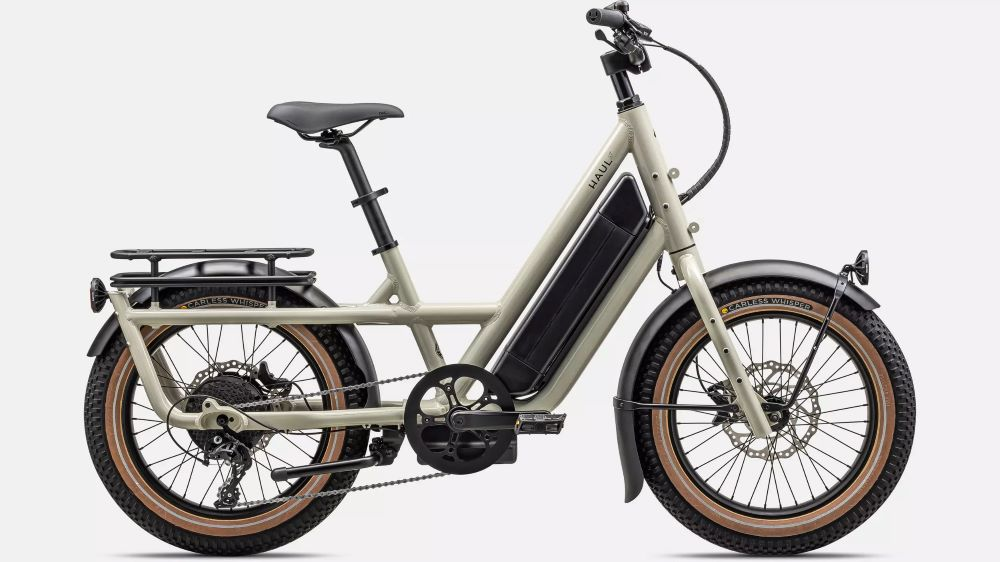
https://powerpedalse-bikes.com
Haul ST
While they might sacrifice some rigidity compared to other types, modern step-through electric bike frames use reinforced materials to maintain strength.
Mountain Bike Frames
For off-road enthusiasts, mountain electric bike frames are built tough. These frames typically have full suspension or hardtail designs to handle rough trails, jumps, and steep descents. They feature wider tire clearances, robust geometry for stability at high speeds, and integrated shock absorbers. Electric assistance in these frames amplifies your ability to climb hills, making them perfect for adventure seekers. However, they can be heavier due to the added reinforcements.
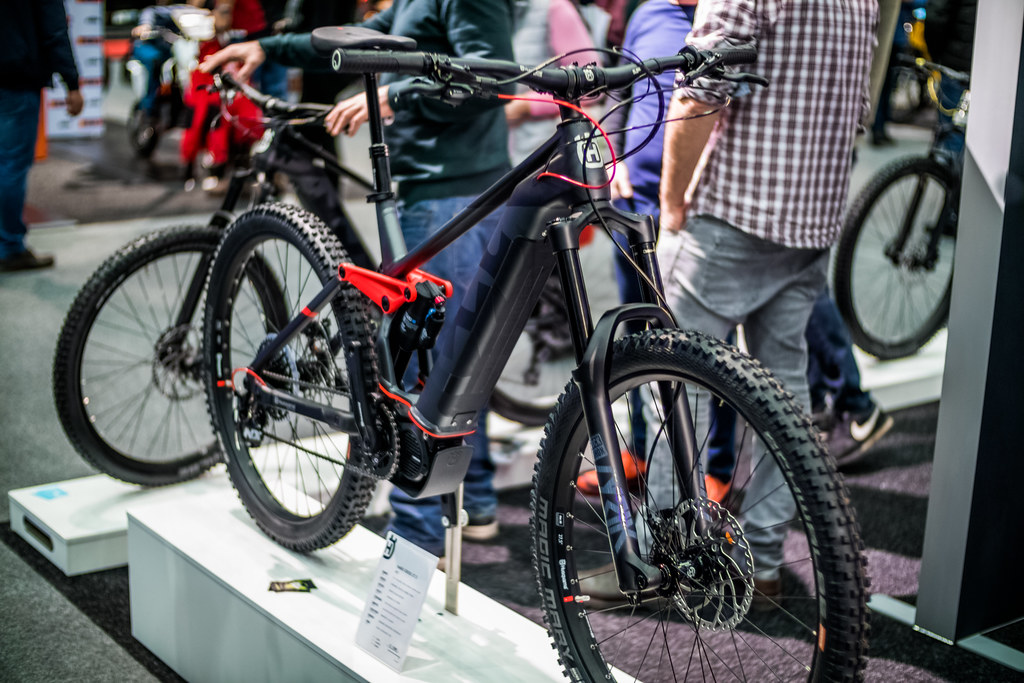
MTB e-bike by Raymon | Ivan Radic | Flickr
Folding Frames
Folding electric bike frames are a boon for space-conscious users, such as apartment dwellers or public transport commuters. These frames hinge in the middle, allowing the bike to collapse into a compact size for storage or carrying. Despite their foldable nature, quality folding electric bike frames maintain rigidity when unfolded, thanks to secure locking mechanisms. They’re lightweight and portable but may not be as stable on uneven surfaces as non-folding counterparts.
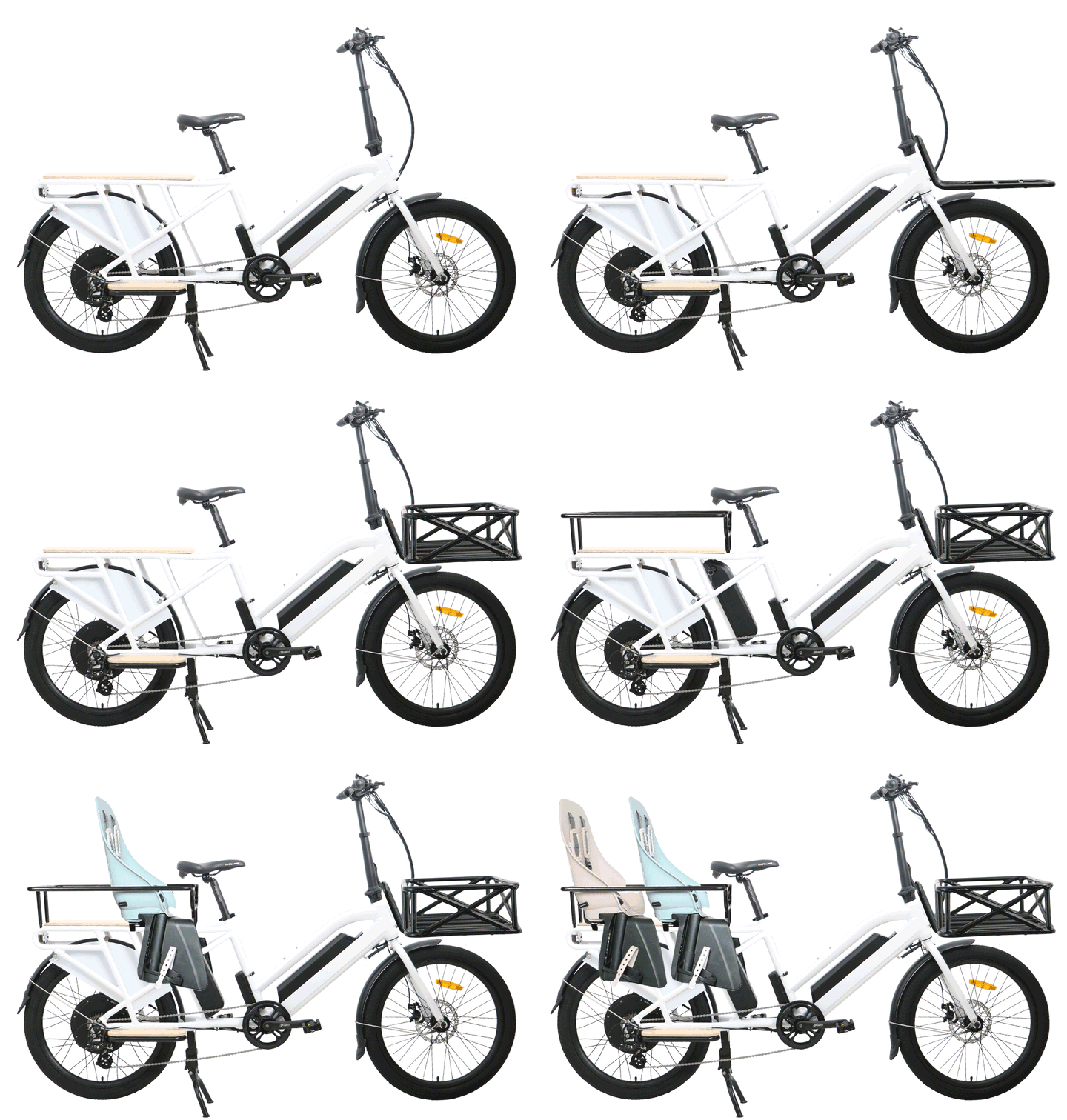
Eunorau Max Cargo Electric Bike: Buy Now from Ultra E-Bikes
Road and Hybrid Frames
Road electric bike frames emphasize speed and efficiency, with aerodynamic shapes and drop handlebars for a forward-leaning posture. Hybrid frames blend road and mountain elements, offering versatility for mixed terrains. Both types focus on lightweight construction to maximize battery range and pedaling ease.
Other niche types include cargo electric bike frames for hauling loads and fat-tire frames for sand or snow. Choosing the right type depends on your lifestyle—commuting calls for step-through, while trails demand mountain designs.
Materials Used in Electric Bike Frames
The material of an electric bike frame significantly affects its weight, cost, durability, and ride feel. Manufacturers select materials based on performance needs and budget. Let’s explore the primary options:
Aluminum Frames
Aluminum is the most common material for electric bike frames, accounting for a large portion of the market due to its excellent balance of strength, lightness, and affordability. Aluminum electric bike frames are corrosion-resistant, making them suitable for all-weather riding. They provide a stiff ride that transfers power efficiently from the pedals and motor to the wheels. However, they can feel harsher on bumpy roads compared to more flexible materials.
Haul ST
Maintenance is straightforward, and they’re less prone to rust than steel.
Steel Frames
Steel electric bike frames offer unmatched durability and a smooth ride quality, absorbing vibrations better than aluminum. They’re affordable and easy to repair, which appeals to budget-conscious riders. On the downside, steel is heavier and can rust if not properly coated, so they’re best for dry climates or with protective finishes. Steel frames are often used in touring or cargo e-bikes where strength trumps weight savings.
Haul ST
Carbon Fiber Frames
For premium performance, carbon fiber electric bike frames stand out. This composite material is incredibly lightweight yet strong, reducing overall bike weight to extend battery life and improve handling. Carbon frames can be molded into complex shapes for better aerodynamics and vibration damping. They’re ideal for high-end road or mountain e-bikes but come at a higher cost and require careful handling to avoid cracks from impacts.
January Sale Advanced have long been industry‑leading creators of …
Titanium and Other Materials
Titanium electric bike frames combine lightness with exceptional durability and corrosion resistance, often lasting a lifetime. They’re expensive but offer a compliant ride. Magnesium or alloy blends are emerging for ultra-lightweight options, though they demand more maintenance. Some frames mix materials, like aluminum with carbon forks, for optimized performance.
Benefits of a Quality Electric Bike Frame
Investing in a high-quality electric bike frame yields numerous advantages. First, it enhances safety by providing a stable base that handles the extra torque from the motor without flexing excessively. A robust frame reduces the risk of component failures during rides.
Efficiency is another key benefit; lighter frames like carbon or aluminum allow for longer ranges on a single charge, as less energy is wasted overcoming weight. Comfort comes from frames that absorb road imperfections, reducing fatigue on long journeys.
Durability ensures your electric bike frame withstands daily wear, from urban potholes to trail rocks. Versatile frames adapt to upgrades, like swapping batteries or adding accessories. Environmentally, a long-lasting frame means fewer replacements, supporting sustainable cycling.
Factors to Consider When Choosing an Electric Bike Frame
Selecting the perfect electric bike frame involves several considerations:
- Riding Style: Commuters might prefer step-through for ease, while adventurers need mountain frames for ruggedness.
- Weight Capacity: Ensure the frame supports your weight plus any cargo or the electric components.
- Battery Integration: Integrated designs look cleaner but may complicate repairs.
- Size and Fit: Measure for proper leg extension and reach to avoid strain.
- Budget: Aluminum offers value, while carbon is for premium buyers.
- Warranty and Brand: Reputable brands provide better support and longevity.
Test rides are invaluable to feel the frame’s response.
Maintenance Tips for Electric Bike Frames
Proper care extends the life of your electric bike frame. Regularly clean it with mild soap and water to remove dirt and salt, especially for aluminum or steel frames to prevent corrosion. Inspect for cracks, dents, or loose bolts monthly, particularly after rough rides.
Store your e-bike in a dry, indoor space to avoid moisture damage. For carbon frames, avoid high-pressure washers that could force water into seams. Lubricate moving parts around the frame, like hinges on folding models, and check battery mounts for security.
If damage occurs, consult a professional—welding steel is feasible, but carbon repairs are specialized. Routine maintenance not only preserves the frame but also ensures safe, efficient operation.
Conclusion
The electric bike frame is more than just a structure; it’s the foundation of an exhilarating riding experience. From aluminum’s affordability to carbon’s lightness, each material and type offers unique perks tailored to different needs. By considering your riding habits, budget, and maintenance preferences, you can select an electric bike frame that enhances your adventures. As e-bike technology evolves, frames will continue to innovate, making cycling accessible and fun for everyone. Ready to hit the road? Start exploring electric bike frames today and elevate your ride!
