
Raymon E-Bike and Crussis E-Bike, few brands capture the thrill of off-road adventures quite these European powerhouses have carved out a niche for riders seeking reliable performance, innovative features, and value-driven designs. Whether you’re tackling rugged mountain trails or cruising through urban paths, understanding what sets these e-bikes apart can help you make an informed choice. In this comprehensive guide, we’ll dive deep into the features, models, and benefits of both brands, helping you decide which one might be your next ride.
The Rise of Electric Bikes in Modern Cycling
Electric bikes, or e-bikes, have revolutionized cycling by blending human power with electric assistance. They make steep climbs easier, extend your range for longer adventures, and open up the sport to a wider audience, including those recovering from injuries or looking for eco-friendly commuting options. Brands like Raymon and Crussis stand out for their focus on quality engineering, often incorporating top-tier motors from Yamaha, DJI, and Panasonic. If you’re searching for a Raymon e-bike or Crussis e-bike, you’re likely drawn to their reputation for durability and trail-ready capabilities.
According to industry insights, the e-bike market is booming, with sales projected to grow significantly in Europe due to increasing demand for sustainable transportation. This trend underscores why models from these brands are gaining popularity among enthusiasts.
Discovering Raymon E-Bikes: German Engineering for Trail Dominance
Raymon, a German brand under the Pierer Mobility Group (which also owns Husqvarna), has made waves in the e-bike scene since its inception. Known for their robust construction and integration of Yamaha motors, Raymon e-bikes are designed for riders who crave adventure without compromising on comfort or power.
Key Features of Raymon E-Bikes
Raymon e-bikes typically feature mid-drive Yamaha motors, which provide natural pedal assistance by sensing your effort and terrain. For instance, the Yamaha PW-X4 motor, seen in newer models, delivers up to 100 Nm of torque and 800 watts of peak power, making it ideal for steep inclines and technical trails. Batteries range from 410 Wh in lightweight models to 840 Wh in high-end versions, offering ranges that can exceed 100 km depending on usage.
Frames are often made from alloy 6061 or carbon for lighter weight and better handling. Suspension systems, like those from RockShox or FOX, provide 140-170 mm of travel, ensuring smooth rides over rough terrain. Brakes from Magura or SRAM offer reliable stopping power, while drivetrains from Shimano or SRAM ensure precise shifting.
Popular Raymon Models
One standout is the Raymon TrailRay series, perfect for all-mountain riding. The TrailRay 170, priced around €4,799, boasts 170 mm of front travel, a Yamaha PW-X3 motor with 85 Nm torque, and a 720 Wh battery. It’s praised for its enduro geometry, which handles jumps and descents with ease, making it a favorite among intermediate riders.
For lighter adventures, the AirRay E 12.0 is a carbon-framed light e-MTB with 150 mm travel and a tuned Yamaha AIR DRIVE motor (50 Nm torque) for a more natural feel. Weighing just 19.44 kg, it’s easy to maneuver and suits tour riders who prioritize agility over raw power.
The HardRay E lineup caters to hardtail fans, like the HardRay E 4.0 with a 500 Wh battery and Yamaha PW-TE motor (60 Nm). These are great entry-level options for casual trails or commuting, starting at more affordable prices.

R RAYMON is back! – R RAYMON unveil new ebikes at EUROBIKE 2024 | E-MOUNTAINBIKE Magazine
This image showcases a sleek Raymon TrailRay model, highlighting its modern frame and suspension setup.
Pros and Cons of Raymon E-Bikes
Pros:
- Excellent motor integration for seamless assistance.
- High-quality components from trusted brands like Yamaha and RockShox.
- Versatile models for various riding styles, from enduro to touring.
- Strong focus on durability, with frames built to handle diverse terrains.
Cons:
- Higher price points for top models (e.g., €7,999 for flagships).
- Limited availability in some regions outside Europe.
- Heavier batteries in some models can affect portability.
User reviews often highlight the bikes’ reliability, with one Reddit user calling their Raymon “beautiful, well-made, and well-priced.” Overall, Raymon excels in delivering performance that feels premium yet accessible.
Unveiling Crussis E-Bikes: Czech Innovation for Versatile Performance
Crussis, hailing from the Czech Republic, is a brand that’s rapidly gaining traction for its affordable yet high-spec e-bikes. Founded in 2012, Crussis emphasizes European manufacturing, competitive pricing, and a wide range of models suited for mountain biking, trekking, and city use. Their adoption of advanced motors like the DJI Avinox sets them apart in the value segment.
Key Features of Crussis E-Bikes
Crussis e-bikes often use mid-drive motors from Panasonic, Bafang, or the innovative DJI Avinox, which offers up to 105 Nm of torque for powerful climbs. Batteries typically range from 500 Wh to 800 Wh, providing impressive ranges—up to 170 km in some models.
Frames are aluminum or carbon, with full-suspension options featuring 140-150 mm travel. Components include SRAM or Shimano drivetrains, hydraulic disc brakes, and tires from Schwalbe for grip on varied surfaces. Many models come equipped with practical accessories like racks and fenders, making them ideal for multi-purpose riding.
Popular Crussis Models
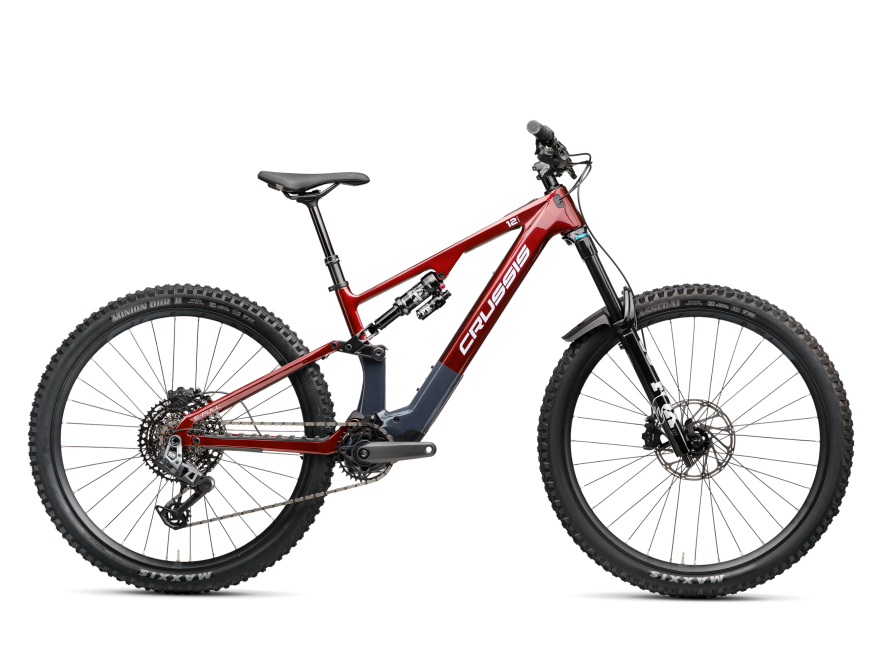
The e-Full series is Crussis’s flagship for trail and enduro enthusiasts. The e-Full 12.11 Pro X, with its carbon frame and DJI Avinox motor (105 Nm), includes high-end FOX suspension and SRAM AXS Transmission, starting at around €5,700. It’s lauded for its balance of power and handling, making it a budget-friendly alternative to premium brands.
For trekking, the e-Cross lineup shines. The e-Cross 1.6 features a Bafang M400 motor (32 Nm) and 630 Wh battery, perfect for mixed-surface rides and commutes. It’s sporty yet efficient, with a wide gear range for hills.
Urban riders might opt for the e-City models, like the e-City 1.14 with rim brakes and a step-through frame for easy access. These are great for daily errands, with batteries up to 720 Wh.
https://powerpedalse-bikes.com
Here’s a visual of the Crussis e-Full, demonstrating its aggressive design and full-suspension prowess.
Pros and Cons of Crussis E-Bikes
Pros:
- Exceptional value, with high-spec features at lower prices.
- Diverse motor options for customized power delivery.
- European build quality ensures longevity.
- Versatile for off-road, trekking, and city use.
Cons:
- Some entry-level models have basic components like rim brakes.
- Heavier frames in aluminum versions (over 25 kg in some cases).
- Less brand recognition compared to giants like Specialized.
Reviews praise their stability and power, with one tester noting the e-Full 10.10-PRO as “powerful and stable” for off-road fun at an affordable price.
Raymon E-Bike vs. Crussis E-Bike: A Head-to-Head Comparison
When comparing Raymon e-bike and Crussis e-bike, both excel in the e-MTB category but cater to slightly different preferences.
| Aspect | Raymon E-Bike | Crussis E-Bike |
|---|---|---|
| Motor | Yamaha PW series (50-100 Nm) | DJI Avinox/Panasonic/Bafang (32-105 Nm) |
| Battery | 410-840 Wh | 500-800 Wh |
| Frame Material | Alloy/Carbon | Aluminum/Carbon |
| Travel | 140-170 mm | 140-150 mm |
| Price Range | €3,000-€8,000 | €2,500-€6,000 |
| Best For | Technical trails, enduro | Versatile trails, value seekers |
Raymon often feels more refined with Yamaha’s intuitive assistance, ideal for serious mountain bikers. Crussis, however, offers better bang for the buck, especially with DJI’s high-torque motors in carbon frames.
In terms of range, both can handle long rides, but factors like rider weight and terrain play a role. For urban vs. off-road, Crussis has more hybrid options, while Raymon leans toward pure MTBs.
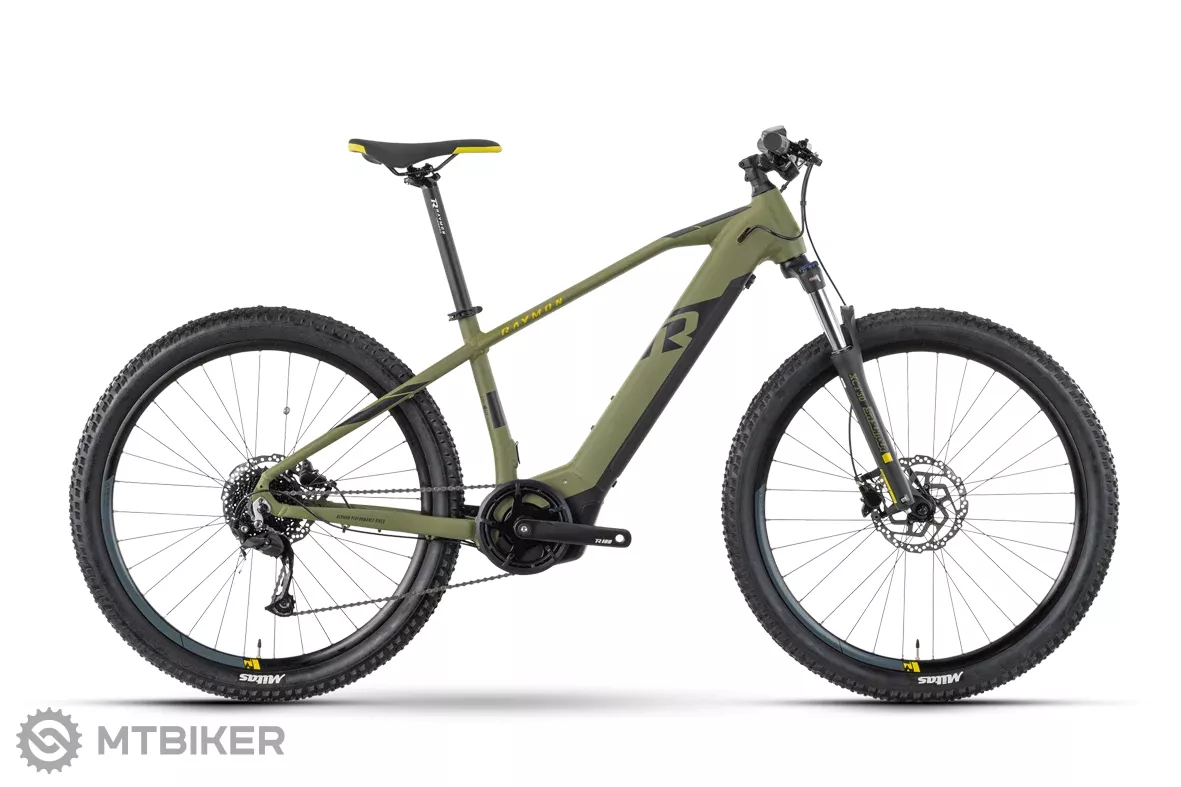
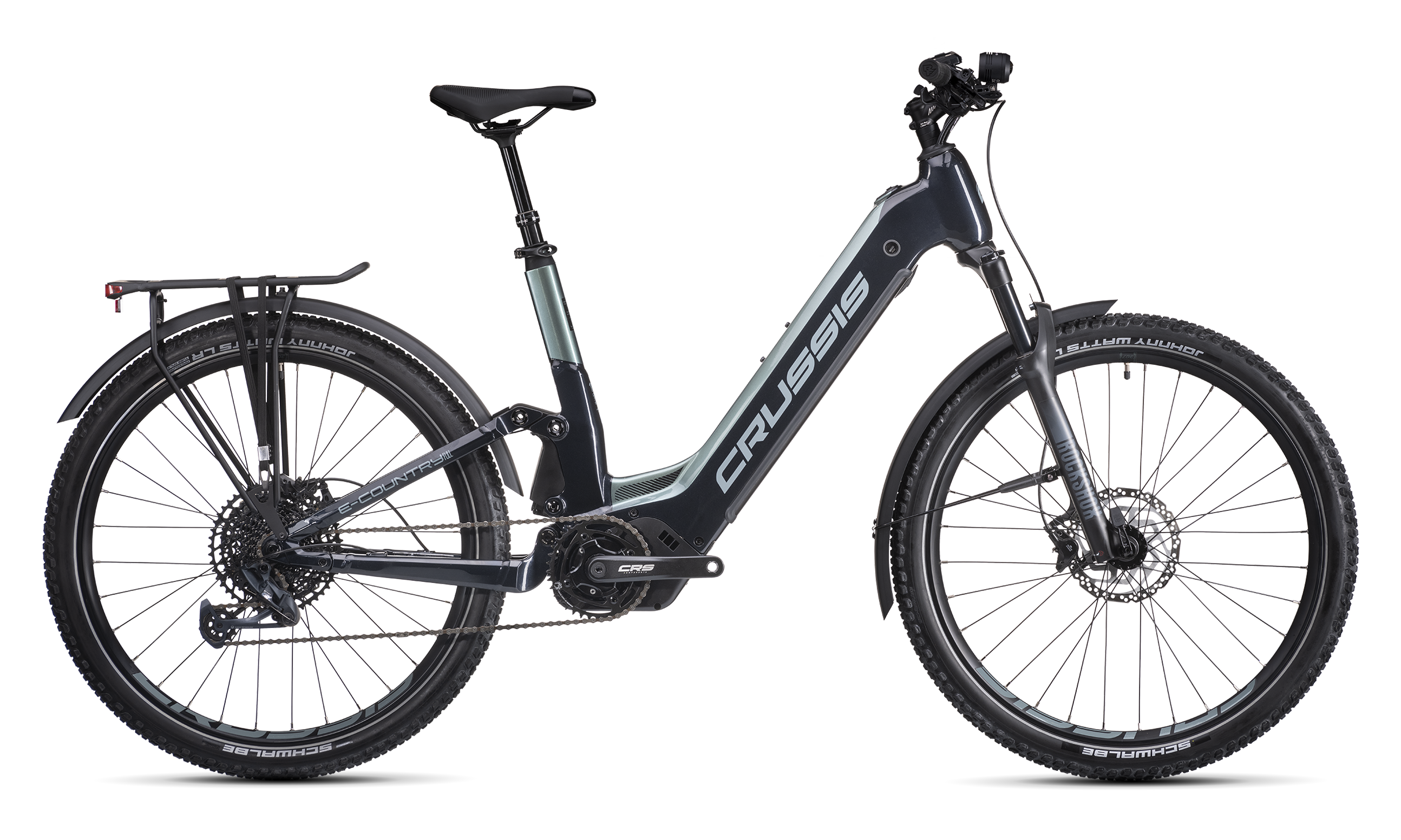
These side-by-side images compare a Raymon HardRay (left) and Crussis e-Country Full (right), illustrating their distinct styles.
Tips for Choosing and Maintaining Your E-Bike
Before buying a Raymon e-bike or Crussis e-bike, consider your riding style: MTB for trails, hybrid for versatility. Test ride if possible, and check local dealers for warranties.
Maintenance is key—regularly charge batteries to 80% for longevity, clean chains, and inspect brakes. Both brands offer app integration for diagnostics, enhancing user experience.
Safety-wise, always wear helmets and follow e-bike regulations, which vary by region.
Final Thoughts on Raymon E-Bike and Crussis E-Bike
Whether you choose a Raymon e-bike for its premium Yamaha-driven performance or a Crussis e-bike for its innovative DJI power and affordability, you’re investing in quality electric cycling. These brands represent the best of European e-bike design, blending technology with adventure. Explore models online or at a shop, and hit the trails with confidence. Happy riding!
