
Electric bikes are transforming how Australians commute, explore, and stay active. But with tightening regulations in 2026, understanding what makes an legally compliant ebike Australia is more important than ever. Whether you’re a daily commuter in Sydney, a weekend adventurer in Queensland, or a retiree cruising Melbourne’s paths, riding a compliant e-bike keeps you legal, safe, and hassle-free.
This comprehensive guide covers everything you need to know about legally compliant ebike Australia standards as of February 2026. We’ll break down national rules, state variations, certification requirements, buying advice, safety tips, and penalties for non-compliance. By the end, you’ll confidently choose, ride, and maintain a bike that meets all legal requirements while delivering maximum enjoyment.
What Exactly is a Legally Compliant Ebike in Australia?
A legally compliant ebike Australia is classified as a standard bicycle under road rules — not a motor vehicle. This means no registration, no driver’s licence, and no compulsory third-party insurance in most cases. The bike must meet strict technical standards so it behaves like a pedal-powered bicycle with helpful electric assistance.
The cornerstone of compliance is the EN 15194:2017 European standard, which Australia has adopted nationally for imports and road use. Compliant e-bikes (often called EPACs or Electrically Power-Assisted Cycles) deliver smooth pedal assistance without turning into high-speed motorbikes.

https://powerpedalse-bikes.com
E-bike safety: What to avoid when buying an e-bike, battery or charger – Cycling News | electric bike reviews, buying advice and news – ebiketips
Key hallmarks of a legally compliant ebike Australia include:
- A compliance label or sticker showing “EN 15194”, “250W max continuous power”, and “25 km/h max assisted speed”
- Functional pedals that must be used for motor assistance above walking pace
- No ability to “throttle and go” at full speed without pedalling
Non-compliant bikes — those with higher power, higher speed cut-offs, or throttle-only operation — are treated as unregistered motor vehicles. This exposes riders to hefty fines, bike seizures, and even criminal charges in serious cases.
2026 National Rules for Legally Compliant Ebike Australia
Australia’s e-bike laws harmonised significantly in late 2025 and early 2026. The Federal Government banned imports of e-bikes exceeding 250W continuous power from December 2025, forcing the industry toward the European EN 15194 standard.
Core technical requirements for a legally compliant ebike Australia:
- Maximum continuous rated power: 250 watts (this is sustainable output, not peak “burst” power that some motors advertise)
- Speed cut-off: Motor assistance must stop completely at 25 km/h (you can pedal faster under your own power)
- Pedal-assist only: The motor helps only while you pedal (after the initial 6 km/h walk-assist phase)
- Throttle/walk-assist: Limited to 6 km/h maximum without pedalling — purely for getting started or pushing the bike uphill
- Battery and safety certification: Must meet relevant standards to reduce fire risk (especially critical in NSW from February 2026)

What Are The Different Types Of E-Bikes Certifications?
These limits ensure the bike remains bicycle-like in behaviour and safety profile. You can ride a legally compliant ebike Australia on the same roads, bike lanes, and shared paths as regular bicycles (with a few local exceptions).
State-by-State Variations in 2026
While rules are aligning nationally, a few differences remain:
- New South Wales (NSW): Previously allowed 500W bikes, but 2026 brings full alignment to 250W with mandatory certification for sale from 1 February 2026. Police now use portable dyno testers. Converted e-bikes are banned from most trains.
- Queensland: Clear 250W / 25 km/h rules. No minimum age. Legal on all roads and paths where bikes are allowed.
- Victoria: Identical 250W / 25 km/h EPAC standard. Converted bikes banned from public transport ticketing areas due to fire risk.
- Other states and territories: Follow the national 250W / 25 km/h model with minor local riding restrictions (e.g., footpath rules vary by age).
The good news? A properly certified legally compliant ebike Australia from any reputable brand works everywhere without issues.
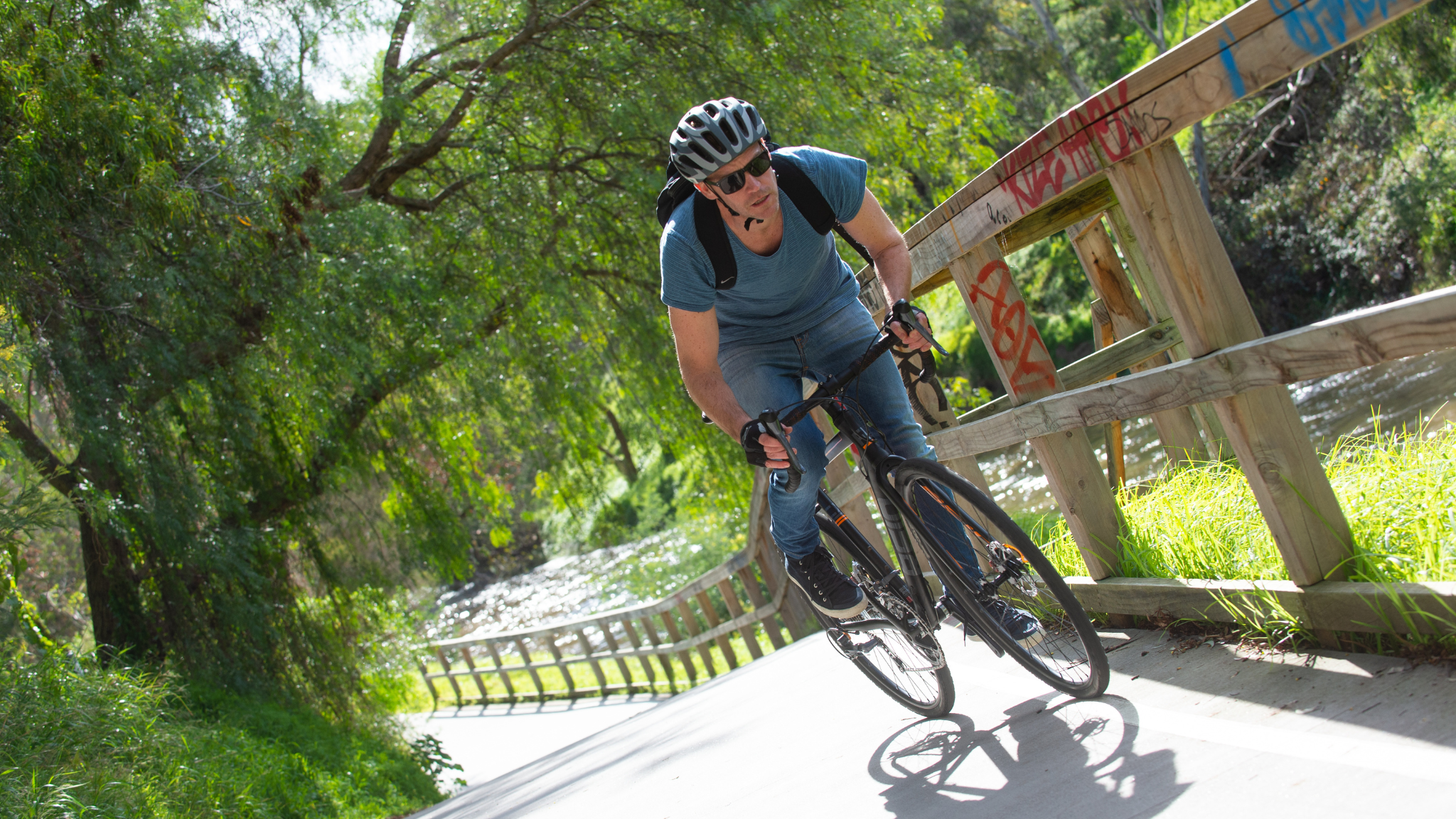
A Quick Guide to Bike Helmet Laws in Australia – Reid Cycles
Why Ride a Legally Compliant Ebike Australia?
Choosing compliance delivers real benefits:
- Zero registration or licensing hassle — hop on and ride
- Access to bike paths and shared trails that ban motor vehicles
- Insurance-friendly — many home or cycling policies cover compliant e-bikes
- Lower fire risk thanks to certified batteries and components
- Future-proof investment — won’t become illegal with further crackdowns
- Community acceptance — neighbours and authorities see you as a responsible cyclist
Plus, the health, environmental, and cost-saving advantages of e-biking remain fully intact: easier hills, longer distances, reduced car use, and more fun outdoors.
How to Check if Your Ebike is Legally Compliant
Don’t rely on seller claims alone. Verify these five things:
- Look for the EN 15194 compliance plate on the frame or motor
- Confirm the motor label states “250W continuous” or “0.25 kW continuous”
- Test the speed cut-off — assistance should fade and stop at 25 km/h
- Ensure the throttle (if fitted) only works up to 6 km/h without pedalling
- Check battery certification marks (UL 2849, EN 15194, or equivalent)
If the bike lacks clear markings or the seller can’t provide documentation, walk away. Grey imports and “unlocked” high-power models are common pitfalls in 2026.
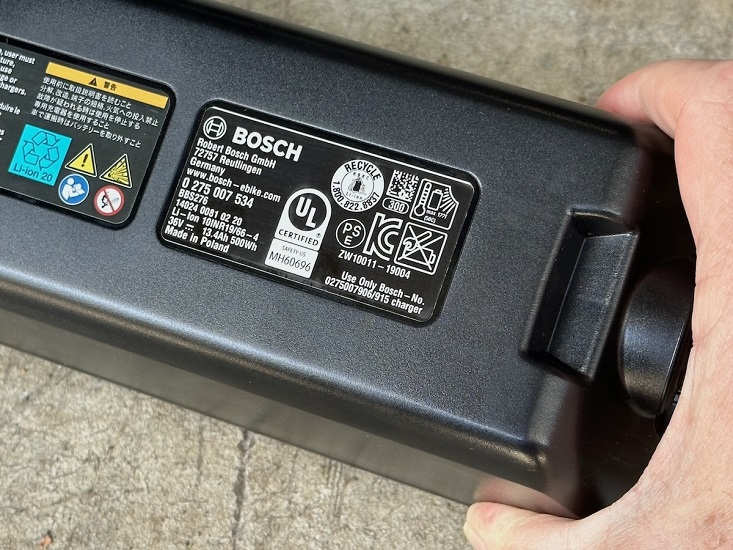
What Are the Different Types of Certifications for E-Bikes
Pro tip: Reputable Australian retailers (Reid Cycles, BikeExchange partners, etc.) clearly label compliant models and provide certification paperwork.
Buying Guide: Choosing the Best Legally Compliant Ebike Australia in 2026
Focus on these factors when shopping:
- Motor type: Mid-drive motors (e.g., Bosch, Shimano) often feel more natural and efficient than hub motors
- Battery capacity: 400–750 Wh for 50–120 km real-world range
- Frame style: Step-through for easy mounting, mountain or hybrid for versatility
- Brakes: Hydraulic disc brakes are essential for safe stopping power
- Display and controls: Clear speed, battery, and assist-level readout
- Warranty: Minimum 2 years on frame and motor, 1–2 years on battery
Popular compliant categories include commuter hybrids, cargo bikes for families, and lightweight folding models for city apartments. Prices for quality legally compliant ebike Australia models start around $2,500 and go up to $8,000+ for premium features.
Essential Riding Rules and Safety for Legally Compliant Ebike Australia Riders
Treat your e-bike exactly like a regular bicycle:
- Helmet: Always wear an approved AS/NZS 2063 helmet — $410+ fine in most states if caught without one
- Lights and reflectors: Required at night or in low visibility
- Give way: To pedestrians on shared paths and footpaths
- Phone use: Hands-free only, preferably in a cradle
- Alcohol and drugs: Zero tolerance — same rules as cycling
- Age: No minimum in most states (parental supervision recommended for young children)
Wear bright clothing, signal turns, and maintain your bike regularly. Lithium batteries require careful charging — never leave unattended, use the original charger, and store at moderate temperatures.
Common Pitfalls and Penalties for Non-Compliant Ebikes
Riding a non-compliant e-bike can cost thousands. Typical penalties include:
- On-the-spot fines of $700–$1,000+ for operating an unregistered motor vehicle
- Bike confiscation (retrieval fees and storage costs add up fast)
- Potential licence disqualification if treated as a motorcycle offence
- Criminal charges in crashes causing injury
Police operations across NSW, Queensland, and Victoria actively target illegal high-power e-bikes. Don’t risk it — stick to legally compliant ebike Australia models.
The Future of E-Bikes Down Under
With the industry projected to exceed $1 billion in 2026, expect even tighter safety standards, better infrastructure, and more certified options. The shift to 250W nationwide protects riders, reduces fire incidents, and ensures e-bikes remain welcome on Australia’s growing network of bike paths.
Final Thoughts: Ride Smart with a Legally Compliant Ebike Australia
Investing in a legally compliant ebike Australia isn’t restrictive — it’s liberating. You get reliable assistance, full legal protection, and peace of mind knowing your bike meets the highest safety standards.
Before your next ride or purchase, double-check the compliance labels, ask retailers for certification proof, and enjoy the freedom of electric cycling the right way.
Ready to upgrade? Research EN 15194-certified models from trusted Australian brands and dealers. Your perfect legally compliant ebike Australia is waiting — safe, legal, and ready for adventure.
Always verify the latest rules with your state transport authority, as minor updates can occur. This guide reflects regulations as of February 2026.
Ride safe, ride legal, and enjoy every kilometre! 🚲⚡
