
Are you ready to join the growing number of Aussies swapping cars for cleaner, more enjoyable rides? If you’re wondering how to choose ebike Australia, you’re in the right place. With strict new regulations in 2026, rising fuel prices, and stunning cycling paths from Sydney’s coastal trails to Melbourne’s laneways and Brisbane’s river routes, now is the perfect time to invest in an electric bike.
This comprehensive guide covers everything you need to know about choosing the right ebike for your lifestyle in Australia. We’ll walk through legal requirements, types of bikes, must-have features, budgeting tips, where to buy, and common pitfalls to avoid. Whether you’re a daily commuter, weekend adventurer, or family rider, you’ll finish this post confident and ready to make a smart purchase.
https://powerpedalse-bikes.com
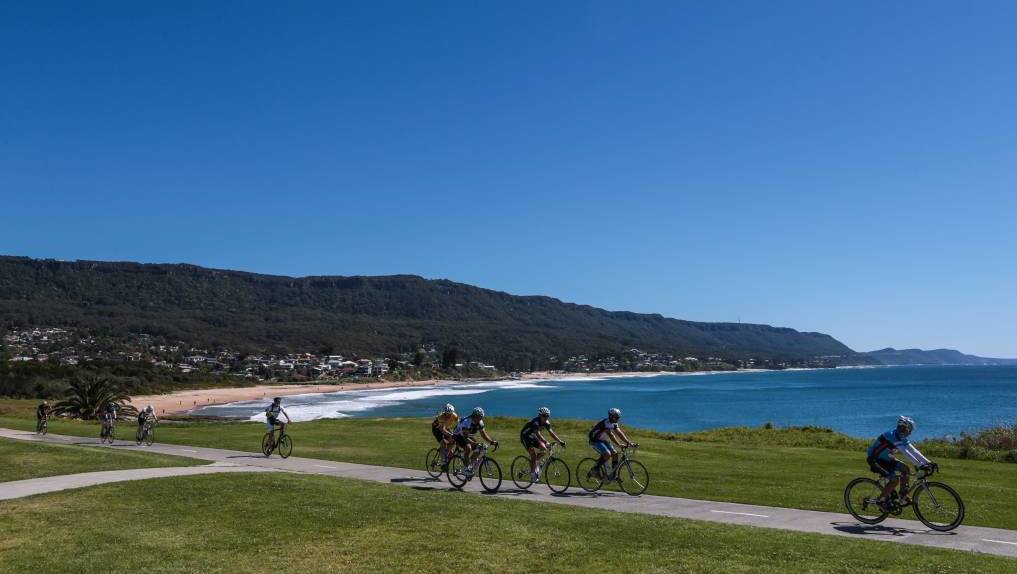
South Coast by E-Bike: A Guide to Unforgettable Rides – Kiama Cycles
Why Ebikes Are Booming in Australia Right Now
E-bikes (or electric bikes) combine pedal power with electric assistance, making hills feel flat and longer distances achievable without breaking a sweat. In 2026, more Australians than ever are choosing ebikes for commuting, fitness, and recreation. But with so many options online and in stores, knowing how to choose ebike Australia properly can save you thousands and keep you legal on the roads.
Step 1: Know the Ebike Laws in Australia (Updated February 2026)
Before anything else, understand the rules — this is non-negotiable when learning how to choose ebike Australia.
As of 2026:
- Legal e-bikes must comply with the EN15194:2017 standard (or equivalent Australian-adopted version).
- Maximum continuous motor power: 250 watts.
- Motor assistance cuts out at 25 km/h.
- Throttle-only assistance limited to 6 km/h (walk-assist mode).
- Must be primarily pedal-assisted (no pure throttle “mopeds” on public roads/paths).
NSW has fully aligned with the national 250W limit (phasing out previous 500W allowances). The Federal Government banned imports of non-compliant >250W e-bikes in late 2025. Non-compliant bikes may be seized, and riders can face fines.
Legal e-bikes are treated exactly like regular bicycles: no licence, registration, or insurance required. You can ride on bike paths, shared paths, and most roads (follow normal bicycle rules).
Pro tip: Always check for EN15194 certification labels when shopping. Avoid suspiciously cheap high-power “e-bikes” sold on some overseas sites — they are illegal for public use in Australia.

How to Charge Your eBike at Home in Australia | Cooly Bikes
Step 2: Define Your Riding Style and Needs
The best way to master how to choose ebike Australia is to be honest about how you’ll actually use it.
Ask yourself:
- Daily commute distance and terrain (flat city vs hilly suburbs)?
- Mostly road, bike paths, or off-road trails?
- Do you need to carry groceries, kids, or gear?
- Will you ride in rain, sand, or bush?
- Storage space at home or work (apartment vs house)?
- Your fitness level and preferred riding position.
Common riding profiles in Australia:
- Commuter: City streets, 10-30 km round trips.
- Recreational/Touring: Coastal paths, rail trails, weekends away.
- Mountain/Adventure: Bush tracks, fire trails in the Blue Mountains or Dandenongs.
- Family/Cargo: School runs, shopping, picnics.
- Beach/Off-road: Fat-tire models for sand and gravel.

Why Aussie Families Choose O2Feel Equo – Dutch Cargo (AU)
Step 3: Understand the Main Types of Ebikes Available in Australia
Here’s a quick breakdown of popular categories to help with your ebike Australia decision:
- Commuter/Hybrid Ebikes: Upright position, fenders, lights, rack. Perfect for daily rides. Lightweight and practical.
- Mountain Ebikes (eMTB): Full suspension, knobby tires, powerful torque for hills and trails.
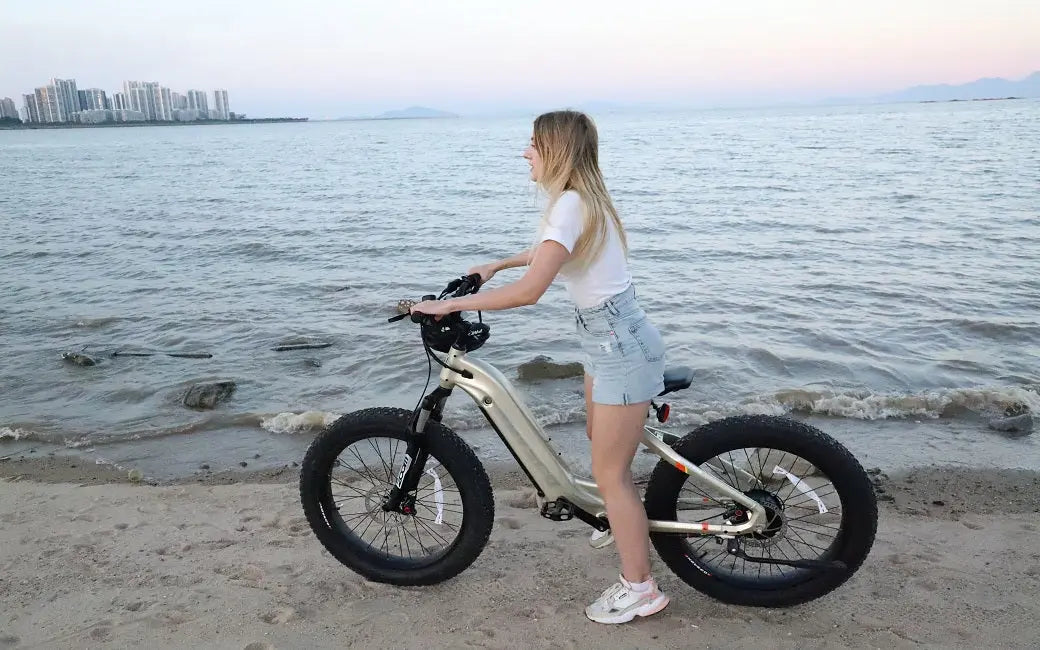
- Fat-Tire Ebikes: Extra-wide tires for sand, snow, or rough terrain. Huge in coastal Australia.
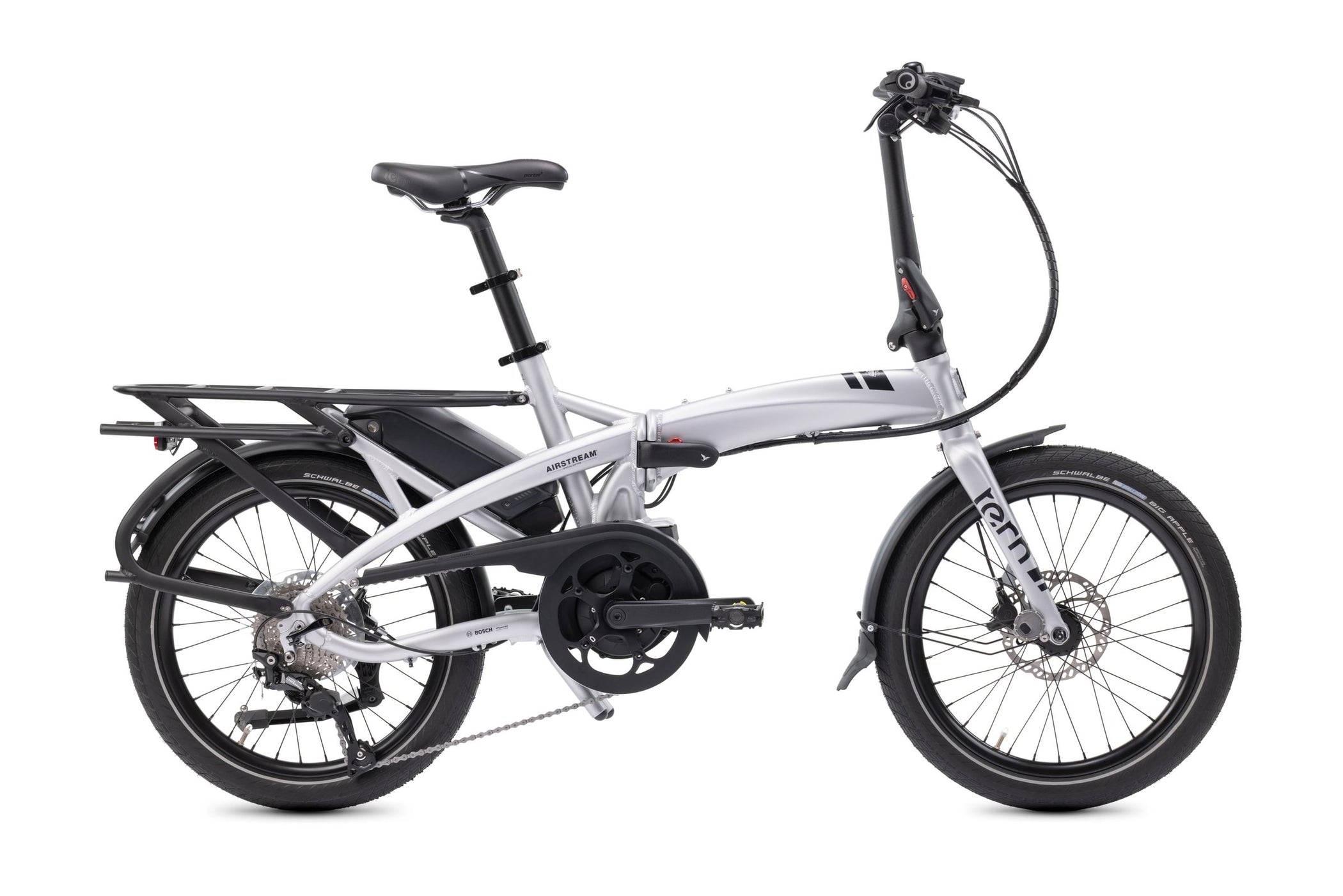
- Folding Ebikes: Compact for apartments, trains, or caravans.
- Cargo Ebikes: Front or rear load areas for kids, dogs, or shopping.
- Road/Gravel Ebikes: Slim tires, drop bars for speed and longer paved rides.
Step 4: Key Features to Compare When Choosing an Ebike in Australia
Focus on these when researching how to choose ebike Australia:
Motor Type
- Mid-drive (e.g., Bosch, Shimano, Brose): Mounted at the pedals. Better weight distribution, excellent hill-climbing, natural feel. Ideal for Australia’s hilly cities.
- Hub-drive (rear or front): Simpler, cheaper, quieter. Great for flat commutes but can feel less balanced on steep hills.
Battery & Range
- Look for 400-750Wh capacity.
- Real-world range: 40-120 km depending on hills, rider weight (80-100kg average), wind, and assist level.
- Removable batteries are easier to charge indoors (important for apartments).
Frame & Fit
- Step-through (low top tube) for easy mounting — very popular with women and older riders in Australia.
- Aluminium frames are standard; carbon for premium lightweight models.
- Get properly sized — test ride is essential.
Brakes, Gears & Suspension
- Hydraulic disc brakes (essential for safety at 25 km/h with motor assist).
- 7-12 speed drivetrain.
- Front suspension fork (or full suspension for trails).
Other Must-Haves
- Integrated lights (front/rear).
- Colour display with USB charging port.
- App connectivity (for some premium brands).
- IP65+ water resistance rating for Aussie weather.

Troxus Trax Mid-Drive Low Step Small Radiant White
Step 5: Set a Realistic Budget for Your Ebike Australia Purchase
Prices in 2026:
- Entry-level ($1,200 – $2,500): Basic hub motor, 40-60 km range, good for flat commutes.
- Mid-range ($2,500 – $4,500): Mid-drive motor, better components, 60-100 km range — sweet spot for most Australians.
- Premium ($4,500 – $10,000+): Top brands (Giant, Specialized, Trek), long range, full suspension, 5-year warranties.
Factor in extras: helmet ($50-150), lock ($80+), insurance ($100/year optional), and potential servicing.
Many retailers offer 0% interest payment plans — popular for mid-range models.
Step 6: Where to Buy Ebike Australia — Trusted Retailers & Brands
Local bike shops win for test rides, expert advice, and after-sales service.
Popular Australian-friendly options:
- Reid Cycles, Ride Electric, DiroDi, Fatboy Bikes, E-Move, Electric Kicks.
- Major brands: Giant, Specialized, Trek, Bosch-powered models.
- Online specialists with strong AU warranties and local stock.
Always buy from Australian sellers with local warranty support (2 years on frame/motor, 2-5 years on battery typical).
Step 7: Test Ride Before You Buy
This is the golden rule of how to choose ebike Australia. Visit multiple stores. Ride the same route you’ll use daily. Check weight when lifting onto a car rack or carrying upstairs. Ask about return policies (some offer 14-30 day trials).

Electric Bikes Melbourne | Free Test Rides | Ridewave – Ridewave Bikes
Step 8: Maintenance, Charging & Ownership Tips
- Charge at home using standard 240V outlet (4-8 hours full charge).
- Clean regularly — salt air in coastal areas is tough on components.
- Annual service recommended ($150-300).
- Store indoors or under cover.
- Battery care: don’t let it drop below 20% for long periods.
Many 2026 models now include better weather sealing and longer warranties thanks to updated safety standards.
Common Mistakes to Avoid When Choosing an Ebike in Australia
- Buying purely on price — cheap non-compliant imports cause headaches.
- Ignoring your actual terrain (flat-commute bike will struggle in hilly areas).
- Skipping the test ride.
- Forgetting accessories (lights, rack, puncture-resistant tires).
- Not checking local stock and warranty support.
Final Thoughts: Your Perfect Ebike Australia Awaits
Choosing the right ebike doesn’t have to be overwhelming. By understanding regulations, defining your needs, comparing features, and test riding, you’ll find a bike that transforms how you move around Australia.
Ready to start your search? Head to a local store this weekend or browse reputable Australian sites. The freedom of riding an ebike — feeling the wind, skipping traffic, and arriving energised — is worth every bit of research.
What’s your planned use for an ebike? Drop a comment below — commuting, trails, or family adventures? Safe riding!
Last updated: February 2026. Always verify current regulations with your state transport department before purchase.
This guide was created to help everyday Australians master how to choose ebike Australia with confidence. Share it with friends thinking about going electric!
