One of the most common questions from new and experienced riders alike is how fast can an e bike go. The answer depends on several factors: legal classifications, motor power, battery voltage, terrain, rider weight, and whether the bike is stock or modified. In 2025, street-legal e-bikes typically provide motor assistance up to 20-28 mph (32-45 km/h) in the US, while unlocked or off-road models can exceed 60 mph (100 km/h), and custom builds push boundaries even further. This guide breaks down everything you need to know about how fast can an e bike go, including classes, regional laws, influencing factors, fastest models, and safety tips. Whether you’re commuting or seeking thrills, understanding these speeds helps you ride responsibly.
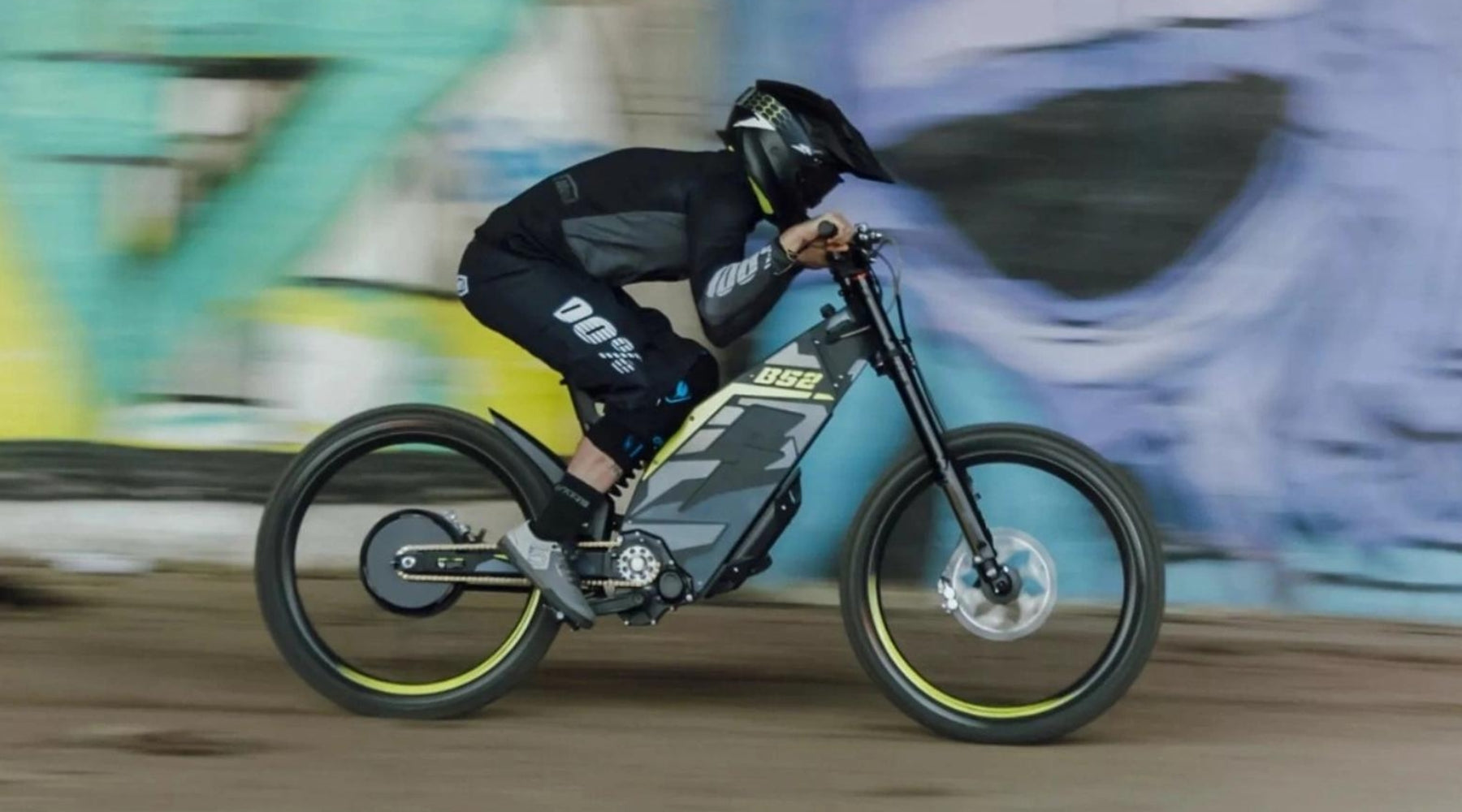
10 Fastest Electric Bikes in 2024 (That Money Can Buy) – Velorution
Real-world averages for most riders fall between 15-25 mph on flat terrain, but downhill or with strong pedaling, you can go faster without motor help.
E Bike Speed Classes and Legal Limits
Most regions classify e-bikes to balance performance with safety. Here’s how fast an e bike can go legally:
United States
The three-class system dominates:
- Class 1: Pedal-assist only, up to 20 mph (32 km/h).
- Class 2: Throttle-assisted, up to 20 mph (32 km/h).
- Class 3: Pedal-assist only (no throttle above 20 mph in some states), up to 28 mph (45 km/h).
Federal law caps at 750W, but states vary—e.g., California requires helmets for Class 3. Exceeding limits may reclassify your bike as a moped, requiring registration.
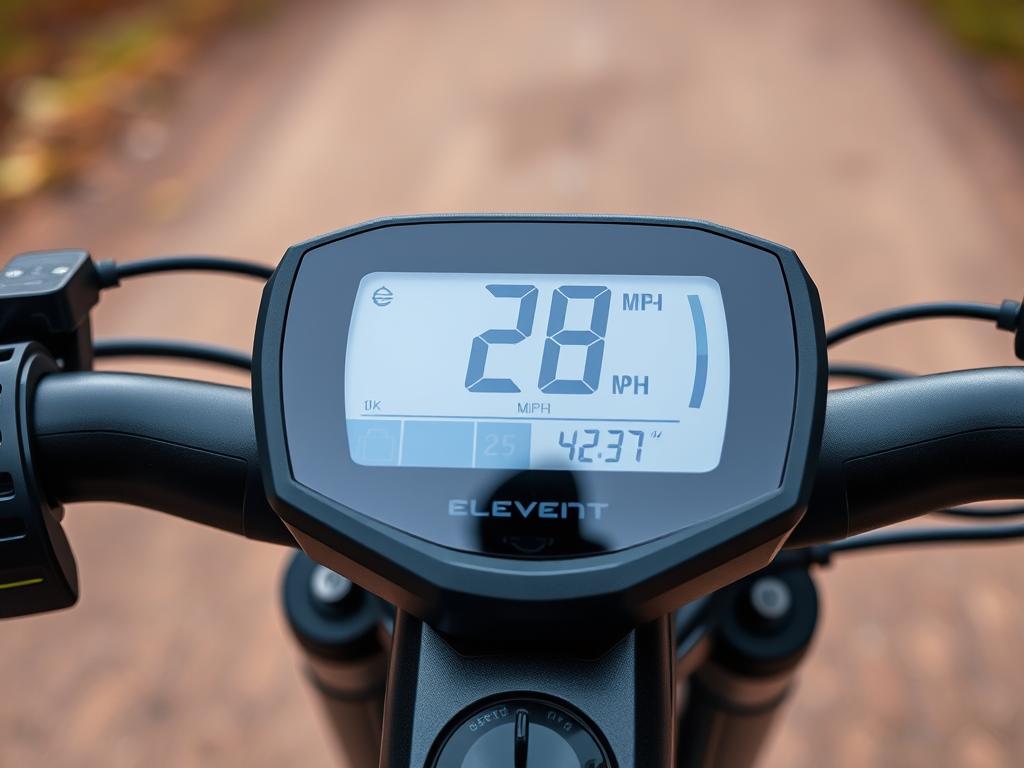
Electric Bikes: Key Questions Answered | Speed, Weight & More
Europe and UK
Standard pedelecs (EPACs): 250W motor, assist cuts at 15.5 mph (25 km/h). Speed pedelecs (S-pedelecs) reach 28 mph (45 km/h) but require insurance, helmets, and often licenses.
Canada
No class system; max 500W, assist up to 20 mph (32 km/h). Provinces may add rules.
Australia
250W continuous, assist up to 15.5 mph (25 km/h); higher power needs registration.
Always check local laws—trail access often restricts higher classes.

https://powerpedalse-bikes.com
How to Change Your Electric Bike’s Display from km/h to mph
Factors Influencing How Fast an E Bike Can Go
Even within limits, actual speeds vary:
- Motor Power & Type — Higher wattage (750W+) and mid-drive motors deliver better torque for speed.
- Battery Voltage — 48V+ systems enable higher top speeds.
- Terrain & Conditions — Flat roads maximize speed; hills/wind reduce it.
- Rider Input — Strong pedaling adds mph beyond motor cutoff.
- Tires & Weight — Slim tires roll faster; lighter bikes accelerate quicker.
- Modifications — Derestricting controllers unlocks higher speeds (often illegal on roads).
Stock e-bikes hit advertised speeds reliably, but real-world tests show 10-20% variance.
Fastest Street-Legal and Off-Road E Bikes in 2025
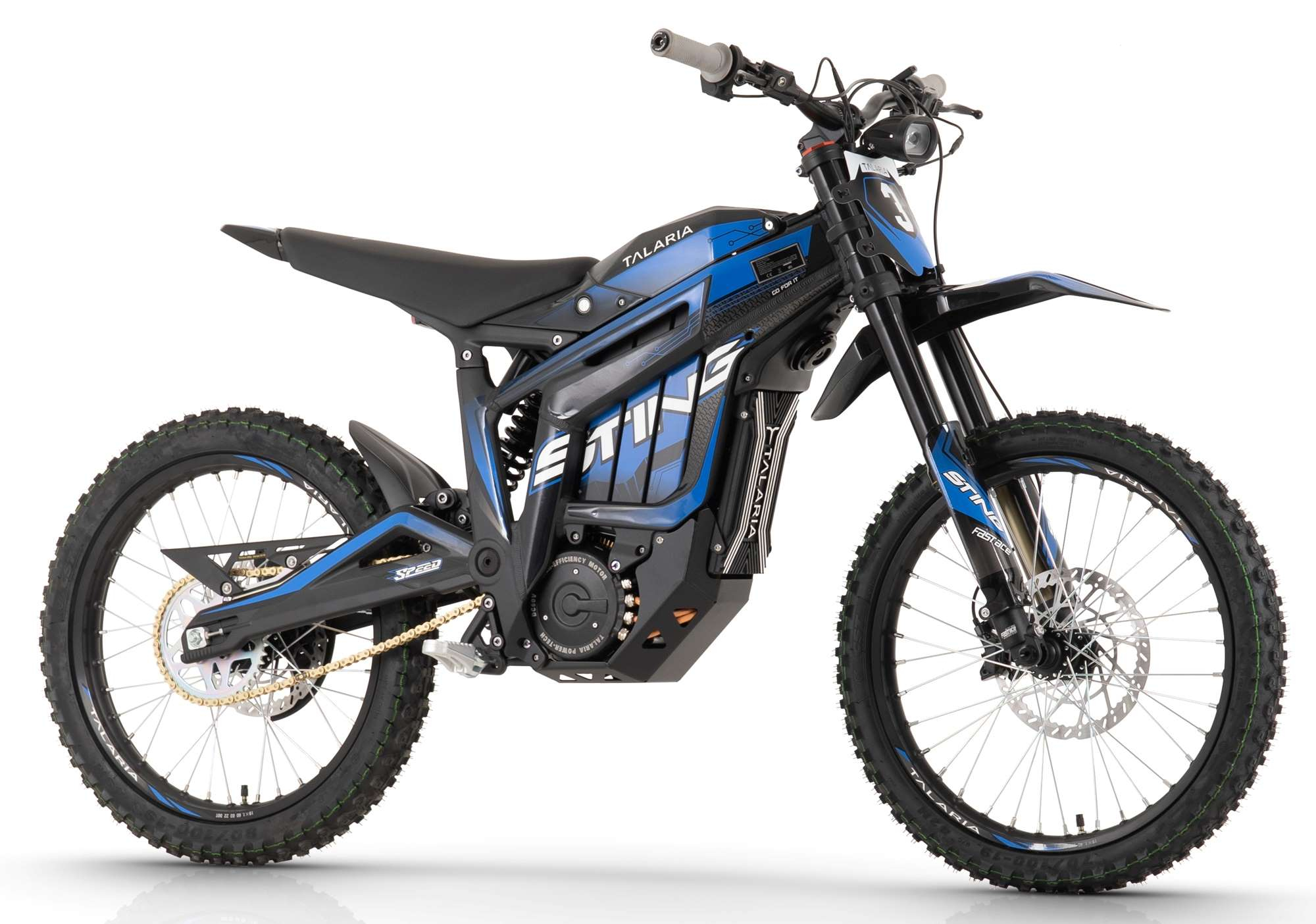
For legal riding, Class 3 models top at 28 mph. Off-road or derestricted:
- Hi-Power Cycles Revolution Series — Up to 65+ mph with 10,000W+ motors.
- Delfast Top 3.0 — Around 50-60 mph.
- Stealth B-52 — 50 mph bomber-style.
- Hallomotor FC-1 — Claims near 68 mph.
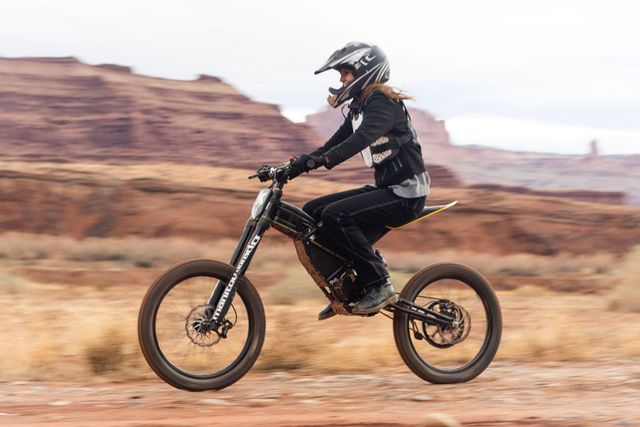
These are often off-road only due to power exceeding legal bike definitions.
Speed Records: Extreme Limits
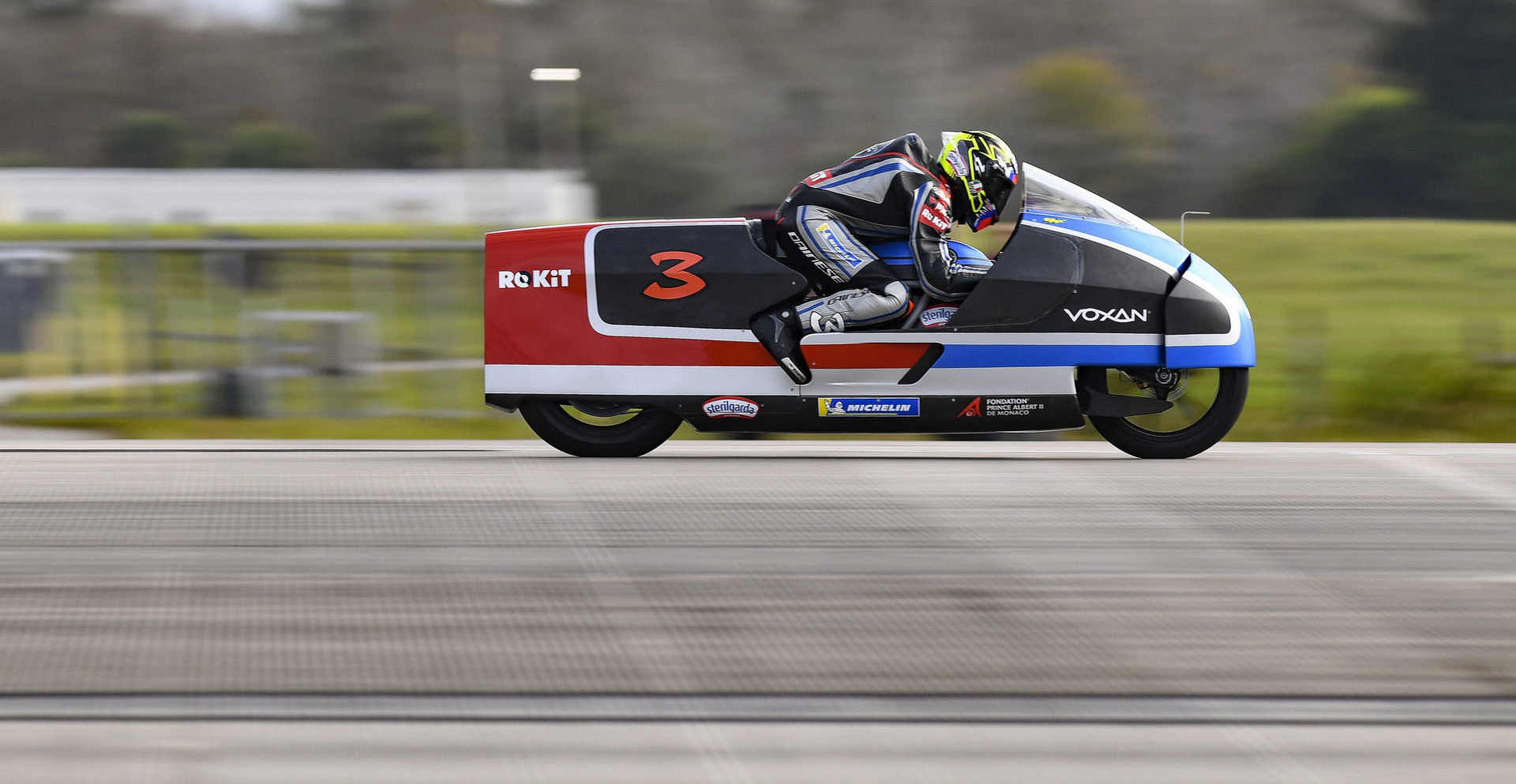
The ultimate answer to how fast can an e bike go? Custom electric motorcycles (blurring bike lines) like the Voxan Wattman hit over 280 mph in records, but pure pedalable e-bikes top around 100 mph modified.
Safety Tips for Higher Speeds
Faster e-bikes demand caution:
- Wear helmets and protective gear.
- Upgrade brakes (hydraulic disc essential).
- Maintain tires and battery.
- Ride defensively—braking distances increase.
- Avoid derestricting on public roads.
Frequently Asked Questions
How fast can a standard e bike go legally?
20-28 mph in the US; 15.5 mph in EU/Australia.
Can I make my e bike go faster?
Yes, via derestricting, but it may void warranty and legality.
What’s the average real-world speed?
15-22 mph for comfortable riding.
Do all e-bikes have speed limiters?
Most legal ones do.
Conclusion: Balancing Speed and Safety
How fast can an e bike go ultimately depends on your needs—legal commuting at 20-28 mph or off-road thrills beyond 50 mph. In 2025, choose based on laws, terrain, and safety for the best experience. Ride smart, stay legal, and enjoy the power!