
In the ever-evolving world of cycling, electric bikes have taken center stage, offering riders an exciting blend of traditional pedaling with modern electric assistance. As we pedal into 2026, two popular categories stand out for their versatility and appeal: the hardtail electric mountain bike and the electric hybrid bike. Whether you’re tackling rugged trails or cruising city streets, understanding these options can help you make an informed choice. This comprehensive guide dives deep into their features, differences, benefits, and top picks, ensuring you find the perfect ride for your lifestyle.
Understanding the Hardtail Electric Mountain Bike
A hardtail electric mountain bike is designed primarily for off-road adventures, featuring a rigid rear frame (hence “hardtail”) paired with front suspension to absorb shocks from uneven terrain. The electric component adds a motor and battery, providing pedal-assist power that makes climbing hills and covering long distances less strenuous.
Key Features of Hardtail Electric Mountain Bikes
These bikes typically come equipped with robust components suited for trails:
- Frame and Suspension: Aluminum or carbon frames for lightweight durability, with front forks offering 100-140mm of travel to handle rocks, roots, and drops.
- Motor and Battery: Mid-drive motors (like Bosch or Shimano) deliver natural power, often with 250-750W output and batteries ranging from 500Wh to 750Wh for 40-80 miles of range.
- Tires and Wheels: Knobby, wide tires (2.4-2.8 inches) on 27.5″ or 29″ wheels for superior grip on dirt paths.
- Gearing and Brakes: Wide-range cassettes (e.g., 1×12 drivetrains) and hydraulic disc brakes for precise control in variable conditions.
Pros include excellent traction on climbs, affordability compared to full-suspension models, and lower maintenance due to fewer moving parts. However, they can feel harsher on rough descents without rear suspension.
Pros and Cons
| Aspect | Pros | Cons |
|---|---|---|
| Performance | Powerful on trails, efficient climbing with e-assist | Less comfortable on very bumpy terrain |
| Versatility | Good for light commuting if needed | Not ideal for pure road use |
| Cost | Often starting at $2,000-$4,000 | Higher-end models can exceed $6,000 |
| Maintenance | Simpler design means easier upkeep | Front suspension requires regular servicing |
In recent reviews, models like the Specialized Tero 4.0 EQ shine for its smooth 70Nm motor and tunable app integration, making it a do-everything option. Similarly, the Giant Talon E+ is praised for its value at around $2,299, offering solid performance for beginners.

https://powerpedalse-bikes.com
TREK FUEL EXE REVIEW – NOT YOUR AVERAGE LIGHTWEIGHT ELECTRIC MOUNTAIN BIKE – Mountain Bike Action Magazine
This image captures a hardtail electric mountain bike in action, showcasing its agility on forested trails—perfect for visualizing how it handles real-world off-road scenarios.
Ideal Use Cases
If you love weekend escapes to nature reserves or local mountain paths, a hardtail electric mountain bike excels. It’s great for fitness enthusiasts who want to extend their rides without exhaustion, or commuters with some gravel paths in their route.
Exploring the Electric Hybrid Bike
On the other side, an electric hybrid bike combines elements of road, mountain, and commuter bikes, making it a jack-of-all-trades for urban and light off-road use. These bikes emphasize comfort, efficiency, and practicality, with electric assistance smoothing out daily rides.
Key Features of Electric Hybrid Bikes
Hybrid e-bikes are built for mixed terrains:
- Frame and Geometry: Upright positioning for comfort, often with step-through frames for easy mounting. Frames are lightweight alloy or carbon.
- Motor and Battery: Hub or mid-drive motors (250-500W) with integrated batteries (400-700Wh) offering 30-70 miles per charge.
- Tires and Wheels: Semi-slick tires (1.5-2.0 inches wide) on 700c wheels for smooth rolling on pavement, with some puncture resistance.
- Accessories: Often include fenders, racks, lights, and kickstands for commuting utility.
They prioritize speed on flats and mild hills, with pros like all-day comfort and versatility. Drawbacks might include less capability on aggressive trails.
Pros and Cons
| Aspect | Pros | Cons |
|---|---|---|
| Performance | Smooth on roads, handles light gravel well | Struggles on technical off-road sections |
| Versatility | Excellent for city commuting and leisure | Not as rugged as dedicated MTBs |
| Cost | Affordable entry points from $1,000-$3,000 | Premium models can hit $5,000+ |
| Maintenance | Low-maintenance with integrated components | Battery life needs monitoring |
Top performers in 2026 include the Aventon Level 3, noted for its high-tech features and comfort without losing bike-like feel. The Ride1Up TrailRush is another value standout, blending capability with a lightweight design.

Your Hybrid E-Bike vs City E-Bike Guide: Which Is Best & Why – TENWAYS
Here, an electric hybrid bike is shown navigating a scenic urban path at sunset, highlighting its suitability for everyday commuting with a touch of adventure.
Ideal Use Cases
Electric hybrid bikes are perfect for daily commuters dodging traffic, weekend explorers on bike paths, or families needing a reliable ride for errands. They’re ideal if your routes mix pavement, parks, and occasional dirt roads.
Key Differences: Hardtail Electric Mountain Bike vs. Electric Hybrid Bike
When comparing a hardtail electric mountain bike and an electric hybrid bike, the distinctions boil down to design intent, performance, and rider needs.
Design and Build
Hardtail eMTBs focus on off-road prowess with front suspension and aggressive geometry for stability on descents. Electric hybrids prioritize upright comfort and efficiency, often lacking suspension but including practical add-ons like racks.
Performance on Terrain
- Trails and Off-Road: Hardtails dominate with better shock absorption and tire grip. Models like the BULLS Twenty9 EVO 1 excel here.
- Roads and Urban: Hybrids shine for speed and smoothness, as seen in the Canyon Citylite’s commuter-friendly setup.
Range and Power
Both offer similar battery life, but hardtails often have more torque (60-90Nm) for climbs, while hybrids emphasize consistent assist for longer paved rides.
Price and Value
Hardtails can be pricier due to suspension tech, starting at $2,500, whereas hybrids offer great value under $2,000, like the Lectric XP4.

Hybrid Bike vs. Mountain Bike: Differences Explained
This side-by-side comparison illustrates the visual and functional contrasts between a hybrid and a mountain bike, helping you see the differences at a glance.
Comparison Table
| Feature | Hardtail Electric Mountain Bike | Electric Hybrid Bike |
|---|---|---|
| Terrain | Trails, dirt, hills | Roads, paths, light gravel |
| Suspension | Front fork only | None or minimal |
| Tires | Knobby, wide | Semi-slick, narrower |
| Geometry | Aggressive, forward-leaning | Upright, comfortable |
| Best For | Adventure seekers | Commuters and casual riders |
| Average Price (2026) | $2,500-$5,000 | $1,500-$4,000 |
Who Should Choose a Hardtail Electric Mountain Bike or Electric Hybrid Bike?
Your choice depends on lifestyle. If you crave adrenaline on weekends but need something for occasional commutes, go for a hardtail electric mountain bike. It’s like the Aventon Ramblas, which bridges affordability and trail readiness. For urban dwellers prioritizing ease and efficiency, an electric hybrid bike fits seamlessly, much like the Velotric Breeze for practical daily use.
Consider your fitness level too—e-assist in both makes cycling accessible, but hardtails encourage more active riding on varied terrain.
Buying Guide: Factors to Consider in 2026
Battery and Range
Look for UL-certified batteries for safety. Aim for 500Wh+ for longer rides; real-world tests show hybrids like the Aventon Aventure.3 offering solid mileage.
Motor Type
Mid-drive for natural feel (common in hardtails), hub-drive for simplicity (hybrids).
Build Quality and Components
Check for reputable brands like Shimano gears and Tektro brakes. Weight matters—lighter bikes (under 50lbs) are easier to handle.
Legal and Safety Aspects
Ensure compliance with local e-bike laws (e.g., Class 1 or 2 limits). Helmets and lights are essential.
Budget Tips
Entry-level: Under $2,000 for basics. Mid-range: $2,000-$4,000 for quality. Premium: $4,000+ for advanced tech.
Test rides are crucial—many shops offer demos in 2026.
Top Recommendations for 2026
Best Hardtail Electric Mountain Bikes
- Specialized Tero 4.0 EQ: Versatile with app tuning, around $3,500.
- Giant Talon E+: Budget-friendly at $2,299, great for entry-level trail riding.
- Ride1Up TrailRush: Value-packed hardtail for fun trails.
Best Electric Hybrid Bikes
- Aventon Level 3: Tech-savvy commuter, $1,899.
- Canyon Citylite: Excellent for urban versatility, £2,799.
- Lectric XP4: Affordable and powerful, $1,399.
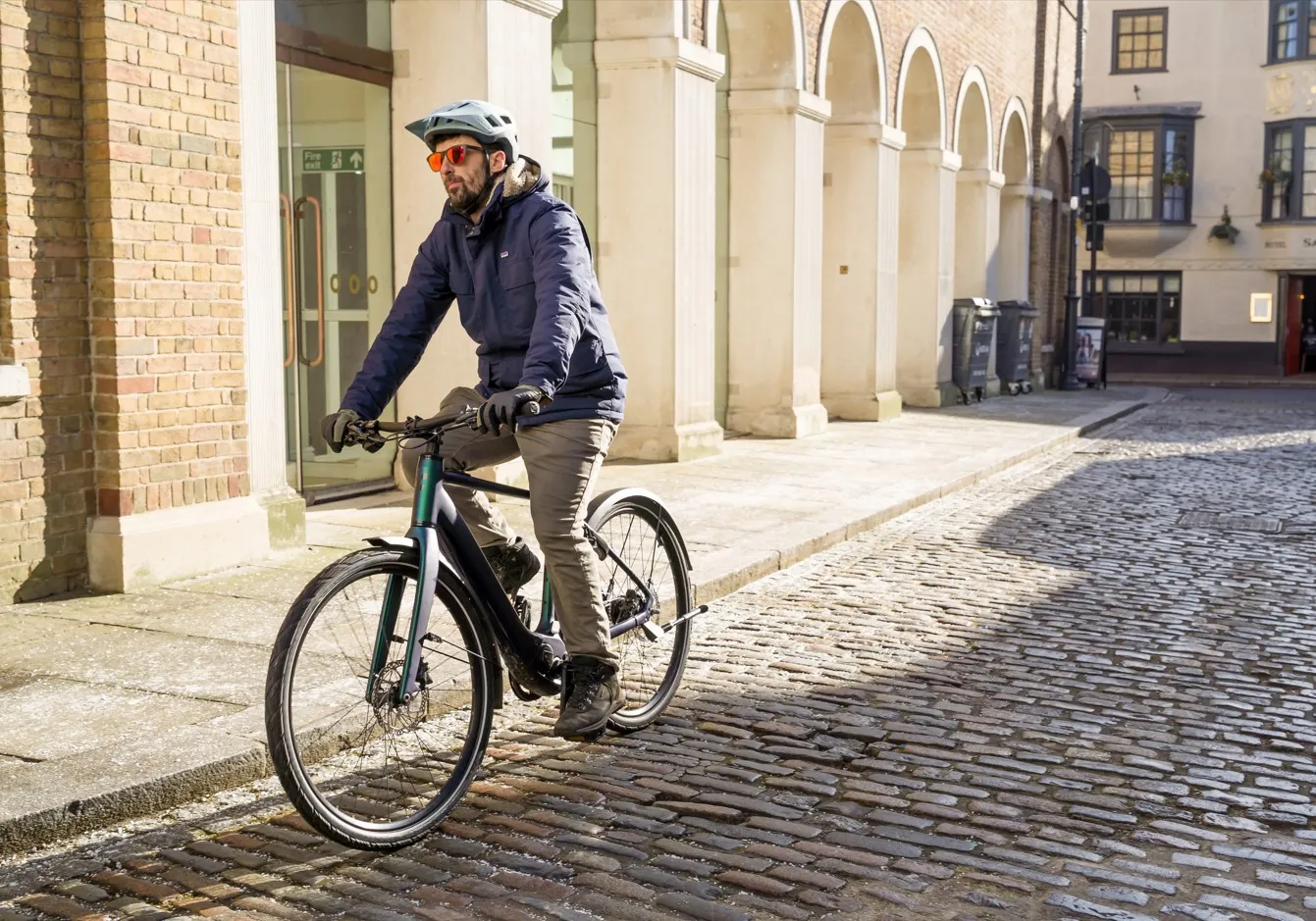
Electric commuter bikes: The best transport solutions in 2026 reviewed and rated | Cycling Electric
This photo of an electric hybrid bike on cobblestone streets emphasizes its urban adaptability, ideal for city explorers.
Maintenance and Longevity Tips
Regularly charge batteries to 80% for longevity. Clean chains and check tire pressure weekly. For hardtails, service forks annually; hybrids need less but benefit from brake inspections.
Environmental and Health Benefits
Both types promote eco-friendly transport, reducing carbon footprints. E-assist encourages more riding, boosting cardiovascular health without overexertion.
Conclusion: Making Your Choice
Whether you opt for a hardtail electric mountain bike for thrilling off-road escapades or an electric hybrid bike for seamless urban mobility, 2026 offers incredible options. By weighing your terrain, budget, and preferences, you’ll find a ride that enhances your adventures. Happy cycling!
