
In today’s fast-paced world, where urban mobility is key and environmental concerns are at the forefront, choosing between an electric bike vs scooter has become a common dilemma for commuters, adventurers, and eco-conscious individuals alike. Both options offer a sustainable alternative to gas-powered vehicles, reducing carbon emissions while providing convenient, cost-effective transportation. But which one is right for you? This comprehensive guide dives deep into the electric bike vs scooter debate, comparing everything from design and performance to cost and safety. Whether you’re navigating city streets or exploring suburban paths, we’ll help you make an informed decision based on the latest insights for 2026.
Understanding Electric Bikes: Pedal Power with a Boost
Electric bikes, often called e-bikes, are essentially traditional bicycles enhanced with an electric motor and battery. They come in various styles, including commuter models, mountain e-bikes, and folding versions for easy storage. The motor assists your pedaling, making uphill climbs and long distances feel effortless. According to recent comparisons, e-bikes typically feature larger wheels—around 20 inches or more—which provide a smoother ride over bumps and uneven terrain.

https://powerpedalse-bikes.com
Roadway R750 Electric Bike | Commuting Bike
One of the standout features of e-bikes is their pedal-assist system, which can be adjusted to different levels. This means you can choose how much effort you put in, turning a leisurely ride into a workout or letting the motor do most of the work on tiring days. High-end models can even reach ranges up to 120 miles on a single charge, making them ideal for longer commutes or recreational outings.
Exploring Electric Scooters: Stand-Up Speed and Portability
On the other side of the electric bike vs scooter spectrum are electric scooters, or e-scooters. These are compact, stand-up vehicles with a deck for your feet, handlebars for steering, and small wheels—usually 8 to 11 inches in diameter. Powered entirely by an electric motor, you control speed via a throttle, similar to a motorcycle but on a smaller scale. E-scooters shine in urban environments where quick maneuvers and portability are essential.
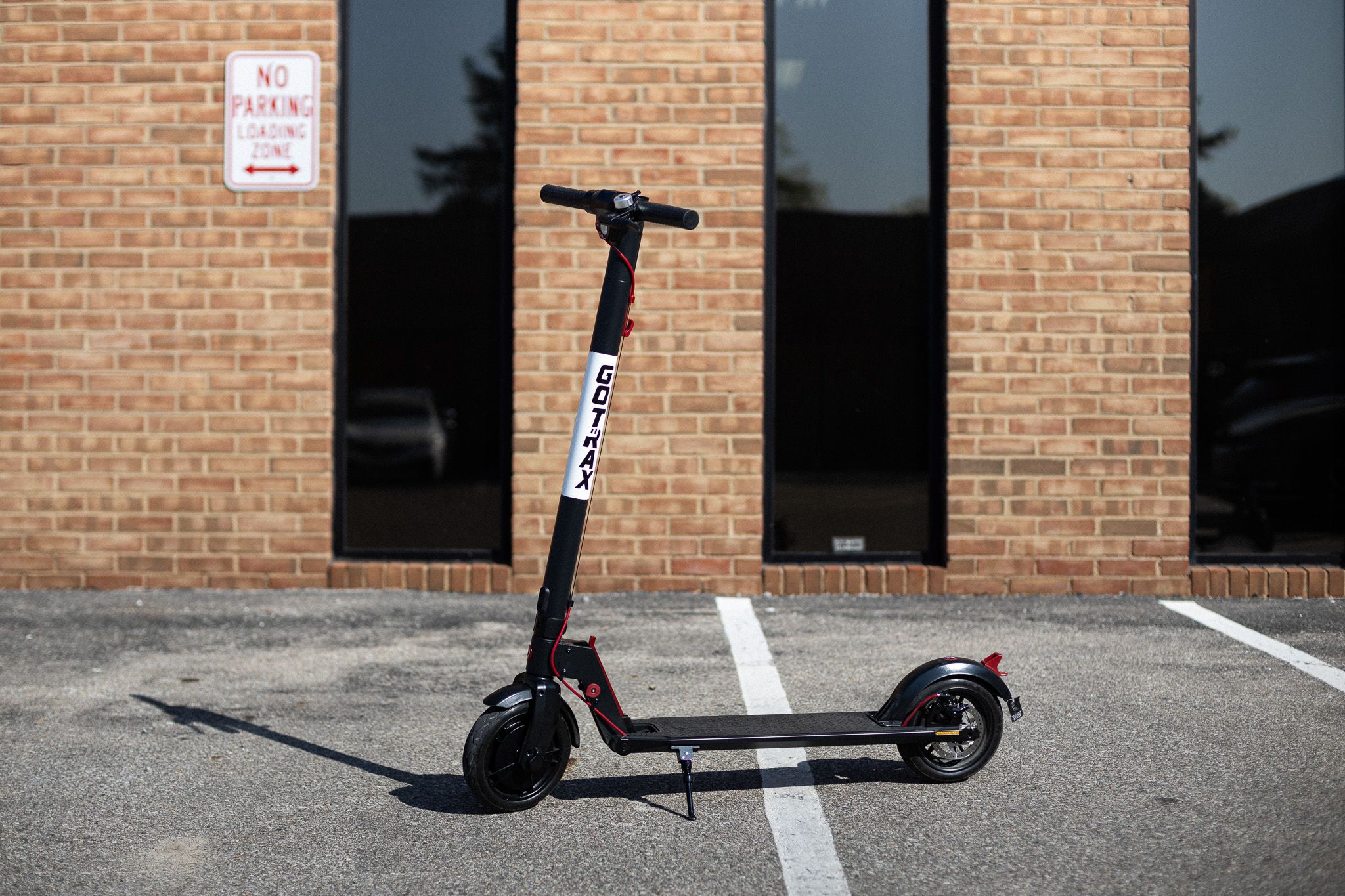
Best Electric Scooters for 2026, Tested
Many models fold down for easy carrying, fitting into public transport or small apartments. They’re particularly popular for short trips, like zipping to the office or running errands. However, their smaller wheels can make rough roads feel bumpier compared to e-bikes.
Design and Build: How They Stack Up in the Electric Bike vs Scooter Comparison
When pitting electric bike vs scooter, design is a fundamental difference. E-bikes resemble regular bikes with added components like batteries integrated into the frame. This setup offers a seated position, which is more ergonomic for extended rides. In contrast, e-scooters require you to stand, which can be fun and agile but less comfortable over time, especially on longer journeys.
Wheel size plays a big role here. Larger e-bike wheels handle obstacles better, providing stability on varied surfaces like gravel or potholes.

Electric Bike Vs. Electric Scooter: Which One Is Better For You? | ProMechBC
E-scooters, with their smaller wheels, are nimbler in tight spaces but may struggle on uneven terrain. Portability favors scooters—they’re often lighter (around 20-40 pounds) and foldable, making them easier to store or carry upstairs. E-bikes, weighing 40-70 pounds, are bulkier but some models fold too.
Performance Face-Off: Speed, Range, and Power
Performance is where the electric bike vs scooter debate gets exciting. E-bikes generally outpace scooters in top speed, reaching up to 28 mph in many models, while scooters cap at around 15-20 mph. This makes e-bikes better for faster commutes or keeping up with traffic.
Range is another win for e-bikes, often delivering 20-60 miles per charge compared to scooters’ 10-30 miles. Factors like battery capacity, rider weight, and terrain affect this, but e-bikes’ pedal-assist helps conserve energy. For power, both use lithium-ion batteries, but e-bikes can have larger ones for extended use. If you’re tackling hills, e-bikes’ gearing systems give them an edge over scooters’ direct throttle.
| Feature | Electric Bike | Electric Scooter |
|---|---|---|
| Top Speed | Up to 28 mph | Up to 20 mph |
| Range | 20-60 miles | 10-30 miles |
| Terrain Handling | Excellent (larger wheels) | Good for smooth surfaces |
Cost Analysis: Initial Investment and Long-Term Savings
Budget is a crucial factor in the electric bike vs scooter choice. Entry-level e-scooters start as low as $300, with capable models under $1,000. E-bikes, however, average $800 to $3,000, reflecting their more complex build and longer range.
Ongoing costs favor both over cars—electricity for charging is pennies compared to gas. Maintenance is minimal, but e-bikes might need occasional chain or brake tune-ups, similar to regular bikes. Scooters have fewer moving parts, potentially lowering repair bills. Over time, both save on fuel and parking, with e-bikes often lasting 5-7 years versus scooters’ 2-3 years of heavy use.
Maintenance and Durability: Keeping Your Ride in Top Shape
In the electric bike vs scooter matchup, durability depends on usage. E-bikes, built like sturdy bicycles, handle daily wear well, especially with replaceable parts like tires and batteries. Scooters are simpler but their standing design exposes components to more vibration, potentially shortening lifespan.
Regular maintenance includes checking battery health, tire pressure, and brakes. E-bikes might require more frequent servicing due to pedals and chains, but parts are widely available. Scooters excel in ease—fewer mechanics mean quicker fixes. Both are weather-resistant, but storing them indoors extends life.
Safety Considerations: Protecting Yourself on the Road
Safety shouldn’t be overlooked when comparing electric bike vs scooter. E-bikes offer better stability with their seated position and larger wheels, reducing fall risks. Features like disc brakes and lights are standard on both, but e-bikes often include advanced options like anti-lock braking.
Scooters demand good balance, and their higher center of gravity can make sharp turns trickier. Helmets are essential for both, and following traffic laws is key. In 2026, many cities require reflectors and bells, with e-bikes sometimes allowed on bike paths where scooters aren’t.
Environmental Impact: Going Green with Either Choice
Both electric bike and scooter options are eco-winners, producing zero emissions during use. They reduce reliance on fossil fuels, easing urban pollution. E-bikes might have a slight edge for longer trips, replacing more car miles, but scooters’ compact size means less material in production.
Battery recycling is improving, with programs ensuring lithium isn’t wasted. Overall, choosing either over a car cuts your carbon footprint significantly.
Legal and Regulatory Aspects in 2026
Regulations vary by location, but in the electric bike vs scooter context, e-bikes are often classified as bicycles if under 28 mph, allowing bike lane access without licenses. Scooters might need registration in some areas, especially faster models, and are restricted from sidewalks.
Check local laws—helmets for minors, speed limits, and parking rules apply. As micromobility grows, expect more bike-friendly infrastructure.
User Experience and Comfort: Daily Riding Realities
Comfort is subjective in the electric bike vs scooter debate. E-bikes provide a seated, relaxed ride, great for commutes over 5 miles or with cargo. Scooters offer a thrilling, upright experience but can tire your legs on extended rides.
For fitness, e-bikes let you pedal for exercise, while scooters are more passive. Storage is easier with scooters, but e-bikes handle weather better with fenders and racks.
Pros and Cons: A Balanced View
Electric Bike Pros:
- Longer range and higher speed
- More comfortable for extended use
- Versatile on various terrains
Electric Bike Cons:
- Higher upfront cost
- Bulkier and heavier
- Requires more storage space
Electric Scooter Pros:
- Affordable and portable
- Easy to maneuver in crowds
- Quick to charge and store
Electric Scooter Cons:
- Shorter range and lower speed
- Less stable on rough roads
- Standing can be fatiguing
Conclusion: Deciding Between Electric Bike vs Scooter
Ultimately, the choice in the electric bike vs scooter comparison boils down to your needs. If you prioritize range, comfort, and versatility for longer trips, go for an e-bike. For short urban hops, portability, and budget-friendliness, an e-scooter might be perfect. Both promote sustainable living, so test ride a few models to see what feels right. In 2026, with advancing tech, either will keep you moving efficiently and greenly. What’s your pick? Share in the comments!
