
Electric Bike on the Tasmanian Trail, Exploring the electric bike Tasmanian trail offers a unique way to experience this iconic route, blending eco-friendly travel with the ease of powered assistance. Whether you’re a seasoned cyclist or a beginner looking to tackle longer distances, an electric bike can transform your journey along this multi-use path. In this comprehensive guide, we’ll dive into everything you need to know about planning, riding, and enjoying the electric bike Tasmanian trail, from route details to essential tips and breathtaking highlights.
What is the Tasmanian Trail?
The Tasmanian Trail is Tasmania’s only long-distance multi-use trail, stretching approximately 480 kilometers from Devonport in the north to Dover in the south. Designed for hikers, cyclists, and horse riders, it weaves through diverse landscapes including lush forests, rolling farmlands, rugged highlands, and charming rural villages. Unlike typical hiking paths that stick to national parks, this trail primarily follows forestry roads, gravel tracks, fire trails, and quiet country lanes, making it accessible yet adventurous.
Established as part of Australia’s Bicentennial celebrations, the trail draws inspiration from the mainland’s National Trail but is tailored to Tasmania’s unique terrain. It’s marked with orange triangular signs for most of its length, though some sections require careful navigation using maps or GPS. The route avoids major highways, focusing instead on off-road experiences that showcase Tasmania’s cultural heritage, from historic towns to indigenous sites.
For cyclists, the trail presents a mix of challenges: about 83% unpaved surfaces, with only 3% singletrack, and significant elevation gains totaling around 8,793 meters. This makes it ideal for gravel or mountain bikes, but the hilly sections can be demanding. That’s where the electric bike Tasmanian trail experience shines—e-bikes provide that extra boost to conquer ascents without exhausting yourself early in the day.
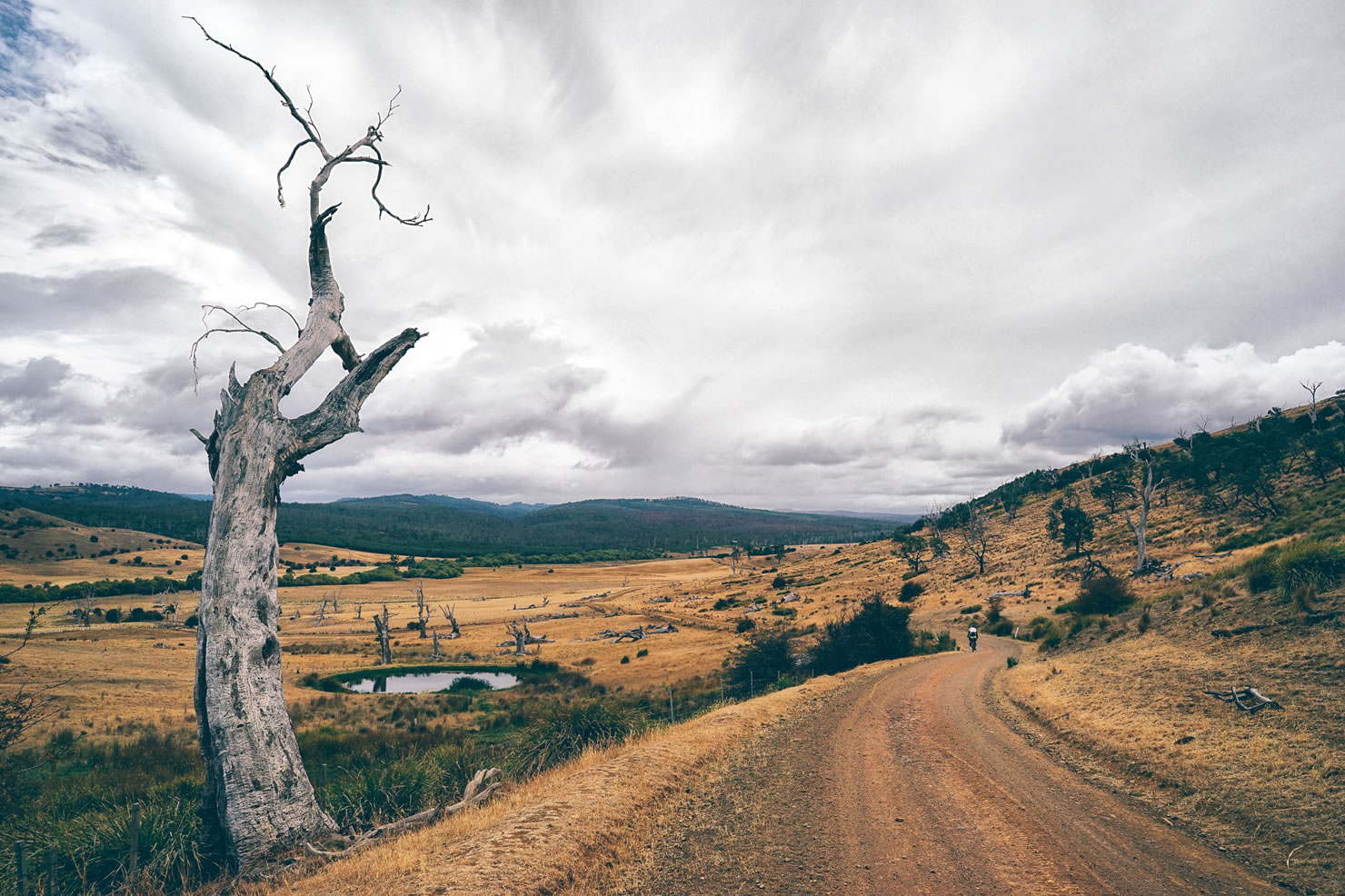
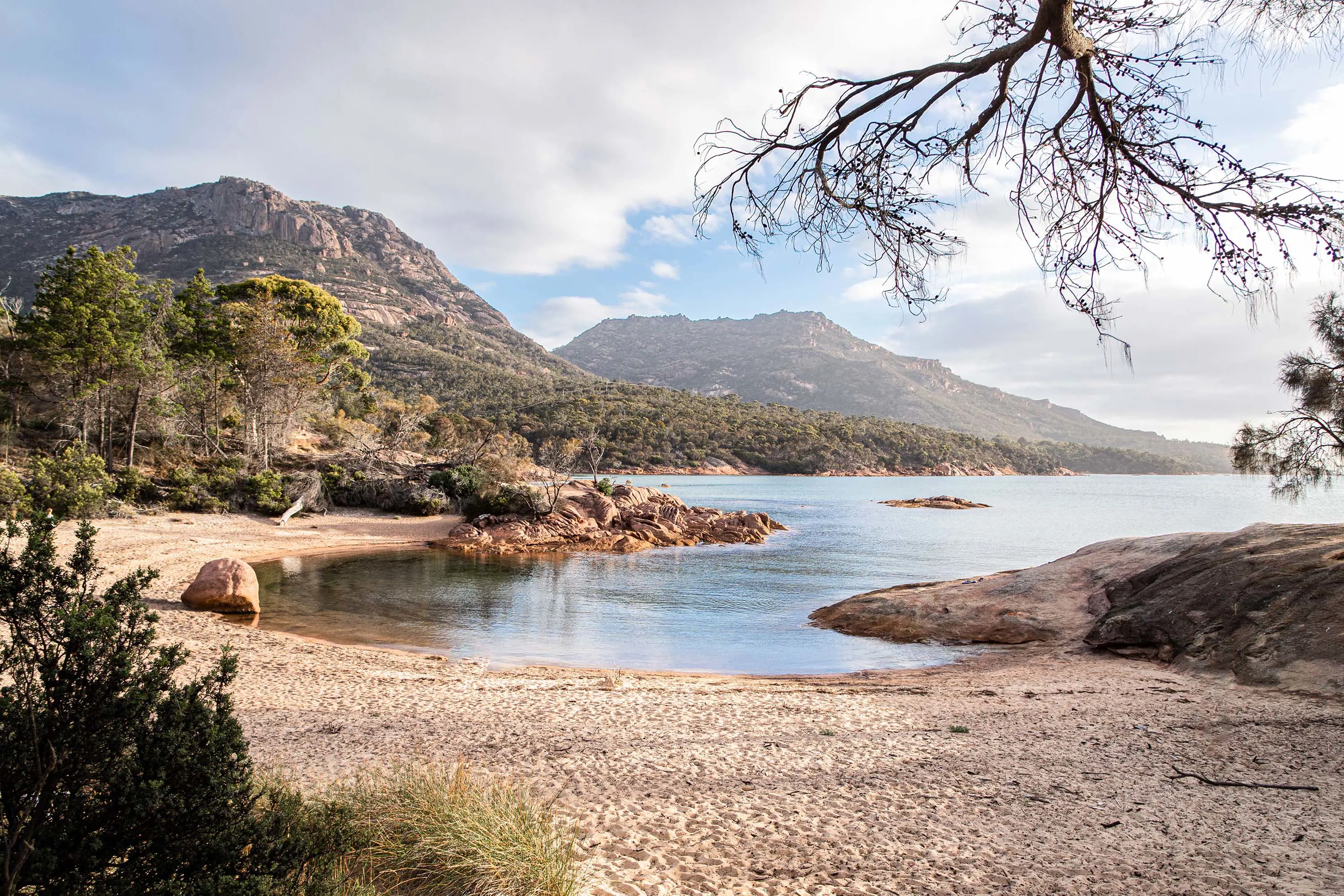
Imagine pedaling through ancient rainforests where towering eucalypts frame the path, or cruising past open plains dotted with grazing sheep under vast Tasmanian skies. The trail’s diversity keeps things exciting: one day you’re navigating muddy tracks after rain, the next you’re gliding along smooth gravel roads with panoramic views of distant mountains.
https://powerpedalse-bikes.com
Why Choose an Electric Bike for the Tasmanian Trail?
Opting for an electric bike on the Tasmanian Trail elevates the adventure in ways a traditional bike simply can’t match. E-bikes, or electric bicycles, combine human pedaling with battery-powered assistance, making them perfect for long-distance trails like this one. They allow riders to cover more ground with less effort, especially on the trail’s steep climbs, such as the ascent to the Great Western Tiers or the undulating sections near Poatina.
One key advantage is accessibility. If you’re not in peak fitness or prefer a more leisurely pace, an e-bike ensures you can enjoy the full 480km without burnout. Companies like Tasmanian E-Bike Adventures highlight how e-bikes make rugged terrain manageable, opening up experiences to a wider audience. Plus, they’re environmentally friendly—quiet operation means you won’t disturb wildlife, and rechargeable batteries align with Tasmania’s focus on sustainable tourism.
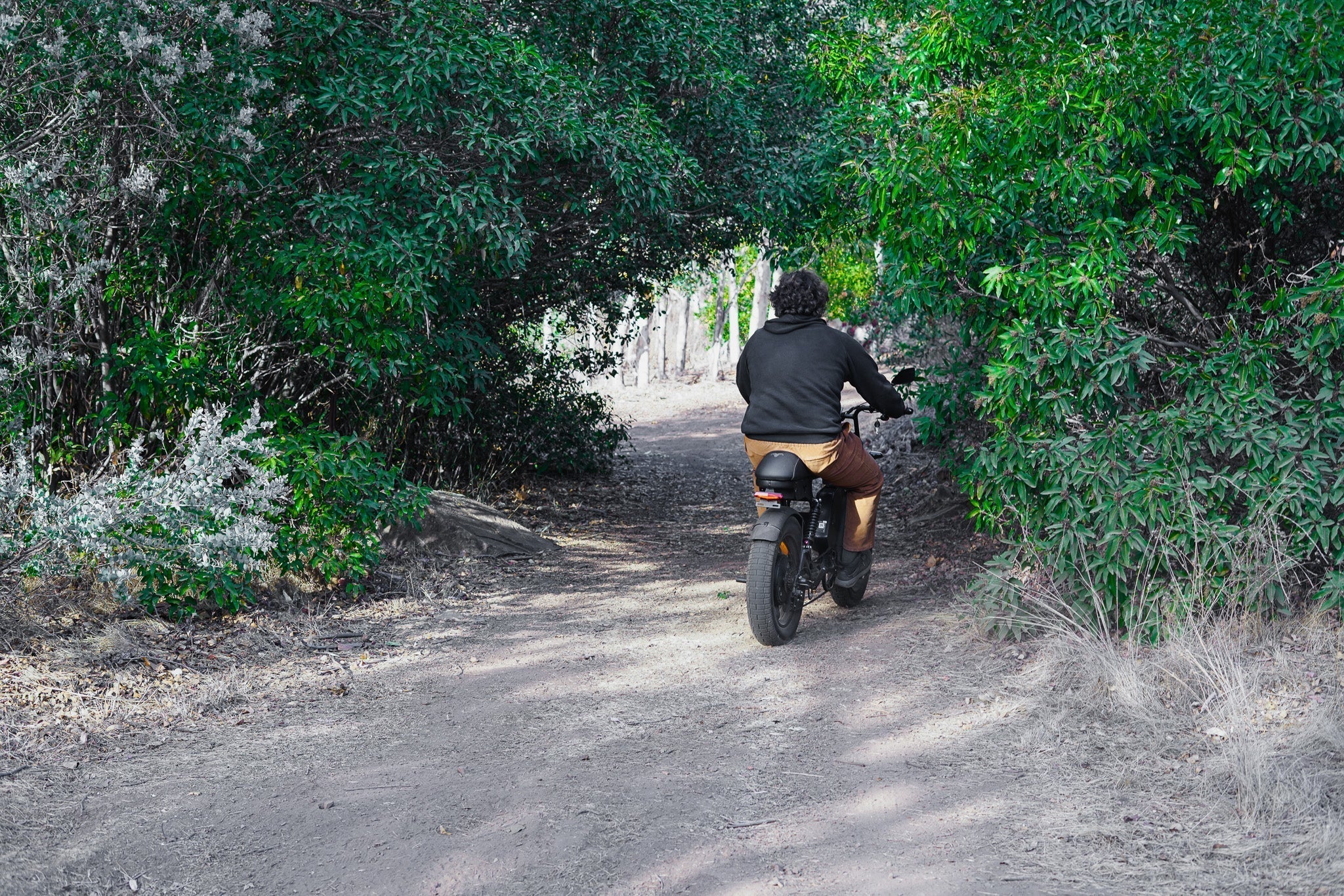
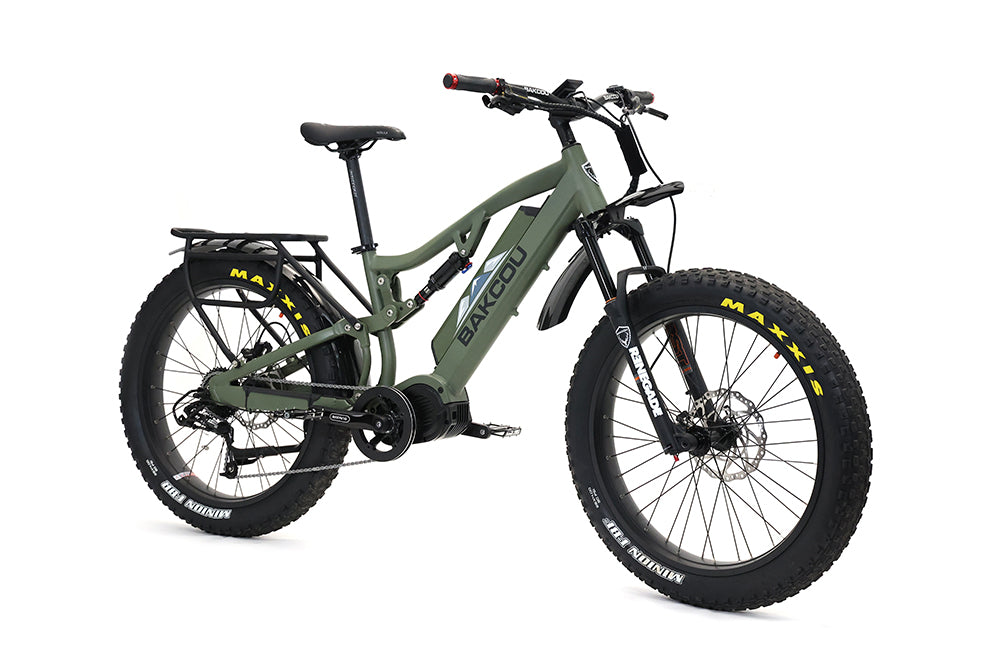
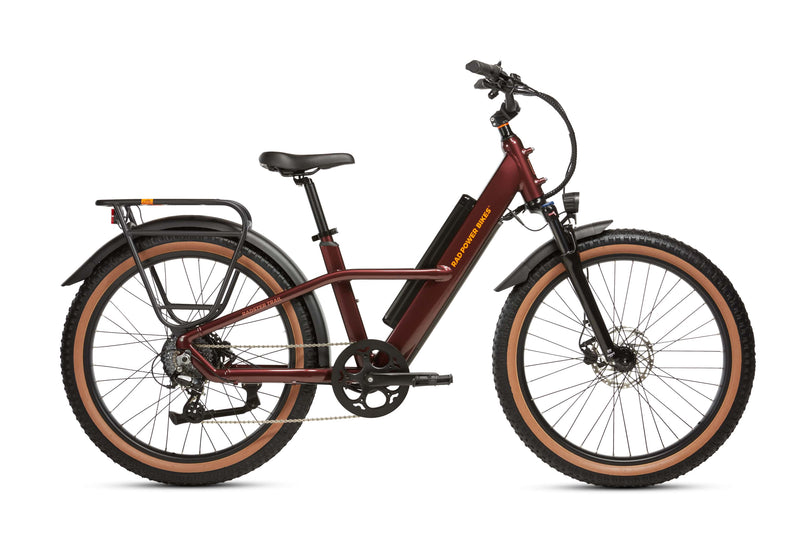
From a practical standpoint, e-bikes excel on mixed surfaces. Fat-tire models handle gravel and dirt tracks effortlessly, while the motor assists in maintaining speed on flats or headwinds. Riders report covering sections faster, allowing more time for side trips like visiting local wineries or exploring hidden waterfalls. If you’re planning an electric bike Tasmanian trail journey, consider that e-bikes are road-legal in Tasmania with no license required, as long as they meet power limits (typically 250W and pedal-assist only).
Moreover, the growing popularity of e-bikes in Tasmania means better infrastructure: charging points in towns along the route, and rental options in places like Hobart or Devonport. Whether you’re solo touring or joining a guided group, the electric bike Tasmanian trail setup lets you focus on the scenery rather than the strain.
Where Can You Legally Ride an E-Bike on Public Lands & in National Forests?
Planning Your Electric Bike Tasmanian Trail Adventure
Preparation is key to a successful electric bike Tasmanian trail trip. Start by deciding your direction: most riders go north to south (Devonport to Dover) to take advantage of prevailing winds, but south to north works too if you prefer starting in the Huon Valley. The full trail typically takes 10-14 days for cyclists, depending on daily distances (aim for 40-60km per day with an e-bike).
Acquire the official Tasmanian Trail Guide from the association’s website—it’s essential for detailed maps, campsite info, and route updates. Download GPX files for your GPS device or app like Komoot or Strava to stay on track, especially in remote areas where signage might be sparse. Weather in Tasmania can be unpredictable; pack for rain, wind, and temperature swings from 5°C to 25°C.
For e-bike specifics, ensure your battery range suits the trail—most modern e-bikes offer 50-100km per charge, but factor in hills and load. Carry a spare battery or plan stops at accommodations with charging facilities. If renting, companies in Hobart provide trail-ready e-bikes. Budget for ferries if needed (like crossing rivers) and permits for private land sections.
Join online communities like Reddit’s r/bikepacking for tips from recent riders—many share insights on mud-prone areas or alternative routes. If you’re new to bikepacking, practice with shorter rail trails in Tasmania first, such as the Murray to Mountains or East Coast options.
Breaking Down the Route: Highlights and Challenges
The electric bike Tasmanian trail can be divided into sections for easier planning. Starting in Devonport, the initial 50km to Latrobe follows quiet roads and rail trails, easing you into the adventure with coastal views.
From there, head south through Deloraine, climbing into the Great Western Tiers—a highlight with steep ascents made manageable by e-bike assist. This plateau offers stunning vistas of alpine meadows and ancient forests. Descend to Poatina, then traverse the Central Highlands, where gravel roads wind past lakes and farmlands.
Mid-trail, around Bracknell to Judbury, expect more off-road bush tracks—some rough enough to test your bike’s suspension. The electric bike Tasmanian trail shines here, powering through muddy sections without fatigue. Side detours include the Mole Creek Caves or Cradle Mountain viewpoints.
The southern half features the Derwent Valley, with hop fields and historic sites like Bushy Park. End in Dover, celebrating with fresh seafood overlooking the sea. Total rideable time is about 98%, but be prepared for short hike-a-bike spots in wet weather.
Throughout, enjoy cultural stops: taste local cheeses in small towns or learn about Aboriginal history at interpretive sites.


Essential Gear and Tips for E-Bike Riders
Packing smart is crucial for the electric bike Tasmanian trail. Choose a sturdy e-mountain bike with fat tires for grip on gravel—models like the HaiBike or specialized trail e-bikes are popular. Essential gear includes panniers for bikepacking, a helmet, puncture repair kit, and multi-tool. For e-bike specifics, bring a charger, extra tubes, and a power bank for devices.
Hydration and nutrition: Carry at least 2 liters of water, refilling in towns. Stock up on energy bars, but enjoy local produce like apples from the Huon Valley. Clothing layers are vital—waterproof jackets, thermal base layers, and padded shorts.
Tips: Ride in eco-mode to conserve battery on flats, switching to boost for hills. Check weather apps daily, as rain can make tracks slippery. Respect the multi-use nature: yield to horses and hikers. For solo riders, inform someone of your itinerary.
Wildlife and Scenery: Nature’s Wonders on the Trail
One of the joys of the electric bike Tasmanian trail is immersing in Tasmania’s rich biodiversity. Spot iconic wildlife like wallabies, pademelons, and echidnas grazing trailside. In forested sections, listen for birds such as the endangered swift parrot or wedge-tailed eagle soaring overhead.
Scenery varies dramatically: from the misty rainforests of the north to the golden plains of the midlands and the coastal fringes near Dover. Spring brings wildflowers, while autumn paints the landscape in vibrant hues. Keep an eye out for unique flora like ancient Huon pines or button grass moors.
E-bikes allow quieter approaches, increasing chances of wildlife sightings without startling animals. Always maintain distance and follow leave-no-trace principles to preserve this pristine environment.

Accommodation and Camping Along the Way
Overnight options on the electric bike Tasmanian trail range from basic campsites to cozy B&Bs. The official guide lists designated camps with facilities like toilets and fire pits—popular spots include old showgrounds or riverside clearings. Bikepackers often wild camp in permitted areas, but check for restrictions.
In towns like Deloraine or Geeveston, opt for motels with secure bike storage and charging. For a luxurious touch, stay at farmstays offering home-cooked meals. Budget $50-150 per night, or free for camping. Book ahead in peak seasons (December-February).


Safety and Regulations for E-Bike Users
Safety first on the electric bike Tasmanian trail. Tasmania’s e-bike laws classify them as bicycles if under 250W and pedal-assist, allowing trail access where bikes are permitted. Throttle-only models may face restrictions.
Wear high-visibility gear, especially on shared roads. Carry a first-aid kit, emergency beacon, and know basic bike maintenance. Wildlife hazards include snakes—stick to paths. In remote areas, mobile coverage is spotty, so download offline maps.
Follow trail etiquette: no littering, close gates, and report issues to the Tasmanian Trail Association.
Final Thoughts: Embark on Your Electric Bike Tasmanian Trail Journey
The electric bike Tasmanian trail isn’t just a ride—it’s a gateway to Tasmania’s soul, blending adventure, nature, and culture. With the right preparation, an e-bike makes this epic 480km path accessible and enjoyable for all. Whether you’re chasing sunsets over highlands or spotting wildlife in quiet forests, this experience will leave lasting memories. Pack your bags, charge your battery, and hit the trail—Tasmania awaits!
