
electric bike for farmers new zealand, rugged landscapes of New Zealand’s countryside, farmers face unique challenges. From navigating steep hills and muddy paddocks to covering large distances efficiently, traditional farm vehicles have long been the go-to. But as sustainability and cost-effectiveness become priorities, the electric bike for farmers New Zealand is emerging as a game-changer. These versatile machines combine the power of electric motors with durable designs tailored for agricultural use, offering a quieter, greener alternative to petrol-powered bikes. Whether you’re tending to sheep in the South Island or managing dairy operations in Waikato, an electric bike can transform daily tasks.
This comprehensive guide explores everything you need to know about adopting an electric bike for farmers in New Zealand. We’ll cover benefits, top models, key features, regulations, and real-world applications to help you make an informed decision.
Why Farmers in New Zealand Are Switching to Electric Bikes
New Zealand’s farming sector is a cornerstone of the economy, but it’s also under pressure to reduce emissions and operate more sustainably. Electric bikes address these needs head-on. Unlike conventional motorbikes, they produce zero tailpipe emissions, aligning with the country’s ambitious climate goals. Farmers can zip around properties without disturbing livestock, as the silent operation minimizes stress on animals like cows and sheep.
One major advantage is cost savings. Petrol prices fluctuate, but charging an electric bike costs pennies compared to fueling a traditional bike. Maintenance is simpler too—no oil changes, spark plugs, or carburetor cleanings. For Kiwi farmers dealing with remote locations, the reliability of electric systems means fewer breakdowns in the field.
Terrain adaptability is another key factor. New Zealand’s diverse landscapes, from rolling hills to wet paddocks, demand robust vehicles. Electric bikes with all-wheel drive and knobby tires handle these conditions effortlessly, providing torque on demand for climbing inclines or crossing rough ground.

https://powerpedalse-bikes.com
According to industry insights, the adoption of electric utility vehicles in agriculture is growing rapidly. In New Zealand, brands are designing models specifically for farm use, incorporating features like cargo racks for tools and fences. This shift not only boosts productivity but also supports eco-friendly practices, making it a win for both the farmer and the environment.
Top Electric Bike Models for New Zealand Farmers
When selecting an electric bike for farmers New Zealand, several models stand out for their durability, range, and farm-specific adaptations. Here’s a breakdown of some popular options available locally.
UBCO 2×2: The Kiwi-Born Workhorse
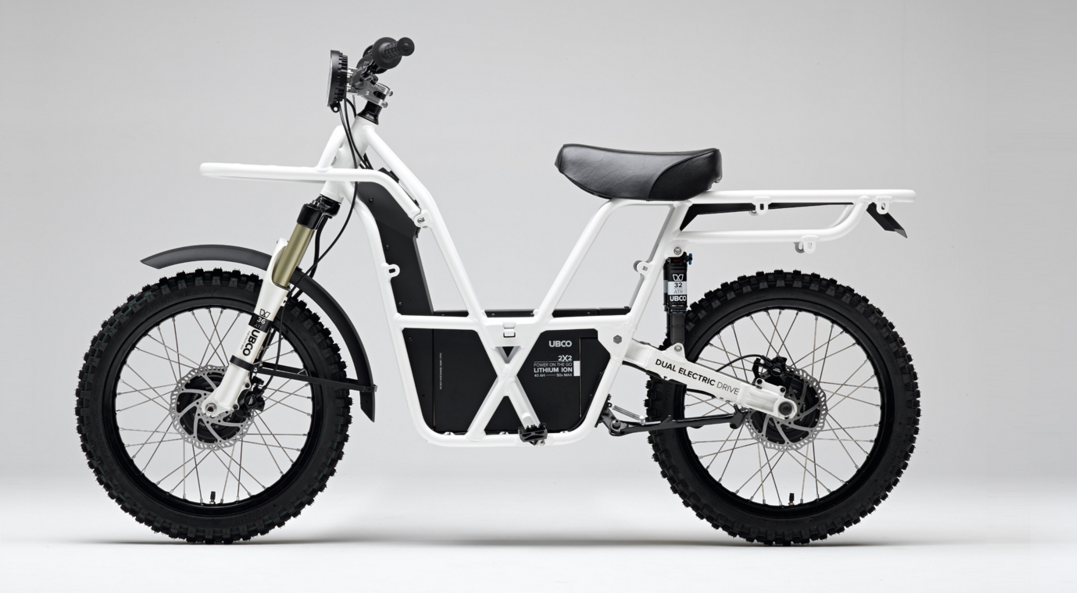
Born in a New Zealand farm shed, the UBCO 2×2 is purpose-built for rural life. This all-wheel-drive electric motorbike offers up to 120km of range on a single charge, making it ideal for large properties. Its lightweight alloy frame (under 70kg) allows easy maneuvering, while weatherproof construction ensures it withstands rain and mud—common in NZ’s variable weather.
Farmers appreciate the modular design, with front and rear racks for carrying gear. The bike’s silent operation is perfect for mustering without spooking animals. Priced around NZ$8,000-10,000, it’s road-legal in some configurations, adding versatility for off-farm trips.
https://powerpedalse-bikes.com/product/2025-surron-light-bee-x/
UBCO has seen strong sales among dairy farmers, who use it for quick checks on fences and water troughs. One user noted it reduced their daily fuel costs by 80% while increasing efficiency.
Surron Light Bee: Adapted for Tough NZ Terrain
Originally an off-road trail bike, the Surron Light Bee has been customized for New Zealand farms with local accessories like reinforced racks and mudguards. It delivers 8kW of peak power, conquering steep hills and boggy fields with ease. The battery provides 50-100km range, depending on usage, and charges in a few hours from a standard outlet.
What sets it apart for farmers is its low-maintenance design—no clutch or gears to worry about. It’s quiet, reducing noise pollution on the farm, and tough enough for daily abuse. Available in off-road-only and road-legal versions, prices start at about NZ$6,000.
In tests on Kiwi farms, the Surron handled muddy paddocks better than traditional bikes, with farmers praising its instant torque for pulling small loads.
Farm Mate 2×2 eBike: Affordable and Practical
For budget-conscious farmers, the Farm Mate 2×2 offers great value. Equipped with dual 500W hub motors, it achieves 60-80km range with pedal-assist. It’s designed for all-terrain use, with fat tires gripping loose soil and gravel tracks common in rural New Zealand.
This model includes practical features like a large battery option and cargo capabilities. At around NZ$4,000-5,000, it’s an entry-level choice that doesn’t skimp on durability. Users report it’s excellent for short hops around the farm, such as checking stock or repairing fences.

Kiwi-made Ubco electric farm bike ideal for the strong, silent type | Stuff
Other Notable Models: Galvbike and QuietKat
The Galvbike, powered by a 64V battery, is set for release with farm-focused features like enhanced suspension for rough tracks. It’s expected to appeal to those needing longer ranges.
QuietKat models, imported to NZ, are geared toward hunters and farmers alike. With fat tires and powerful motors, they’re suited for backcountry exploration on properties. They offer accessories like gun racks, making them multifunctional.
Key Features to Consider in an Electric Bike for Farmers
Choosing the right electric bike for farmers New Zealand involves evaluating features that match your specific needs. Here’s what to prioritize:
- Range and Battery Life: Look for at least 50km per charge to cover typical farm distances. Removable batteries allow easy swapping for extended use.
- Drive System: All-wheel drive (like in UBCO) provides better traction on slippery surfaces. Hub motors are reliable for off-road conditions.
- Durability and Build: Weatherproofing is essential in NZ’s rainy climate. Alloy frames resist corrosion, and knobby tires handle mud and grass.
- Cargo Capacity: Racks and panniers for tools, feed, or fencing materials. Some models support up to 150kg payload.
- Ease of Use: No gears mean simpler operation, ideal for all ages. Regenerative braking extends range on downhill runs.
- Safety Features: LED lights, hydraulic brakes, and stable handling prevent accidents on uneven terrain.
What Are Adult Electric Bikes and Why Are They So Popular?
Integrating these features ensures the bike enhances productivity without adding hassle.
Regulations and Legal Considerations in New Zealand
In New Zealand, electric bikes are classified based on power and speed. Most farm models fall under “power-assisted cycles” if under 300W, requiring no registration. Higher-powered ones (like motorbikes) may need a motorcycle license and WOF if used on roads.
For off-road farm use, fewer restrictions apply, but helmets are mandatory. The NZ Transport Agency advises checking local council rules for trails. Subsidies or incentives for electric vehicles might be available through programs like the Clean Car Discount, though primarily for cars—farmers should inquire about agricultural exemptions.
Always ensure your bike complies to avoid fines, especially if mixing on-road and off-road use.
Real-World Case Studies: Electric Bikes in Action on NZ Farms
Farmers across New Zealand are sharing success stories. On a dairy farm in Taranaki, a UBCO 2×2 replaced two petrol bikes, cutting noise and emissions while saving $500 monthly on fuel. The owner noted easier mustering, as cows remained calmer.
In the South Island, a sheep farmer using a Surron reported traversing steep terrain that stumped traditional quads. “It’s quiet enough to sneak up on stock without startling them,” he said.

Electric Bike Ride Through Rural Lands Stock Photo 2666915205 | Shutterstock
These examples highlight how electric bikes boost efficiency and sustainability in diverse farming operations.
Maintenance, Costs, and Long-Term Value
Electric bikes require minimal upkeep—charge the battery, check tires, and clean the frame. Batteries last 3-5 years with proper care, and warranties often cover motors.
Initial costs range from NZ$4,000 to $10,000, but savings on fuel and maintenance pay off quickly. Factor in potential government rebates for eco-friendly tech. Over time, the reduced environmental impact adds value, appealing to sustainability-focused markets.
Conclusion: Embrace the Future of Farming with Electric Bikes
The electric bike for farmers New Zealand represents a shift toward smarter, greener agriculture. With models like UBCO and Surron leading the way, these bikes offer reliability, cost savings, and environmental benefits tailored to Kiwi conditions. If you’re ready to upgrade your farm mobility, research local dealers and test ride a model today. Your property—and the planet—will thank you.
For more insights on sustainable farming tools, stay tuned to our blog. What’s your experience with electric vehicles on the farm? Share in the comments!
