
In the fast-paced world of 2026, where urban congestion and environmental concerns are at an all-time high, electric bikes for commuting have emerged as a game-changer for daily transportation. These innovative vehicles blend the simplicity of traditional cycling with the power of electric assistance, making them ideal for navigating city streets, avoiding traffic jams, and reducing your carbon footprint. Whether you’re a seasoned rider or new to the idea, this comprehensive guide will explore everything you need to know about electric bikes for commuting, from their benefits and types to tips on choosing and maintaining one. By the end, you’ll be equipped to make an informed decision that fits your lifestyle and helps you embrace a greener way of getting around.

We Need More — And Better — E-Bike Incentive Programs Across …
Why Choose Electric Bikes for Commuting? The Key Benefits
Electric bikes for commuting offer a host of advantages that make them superior to cars, public transit, or even standard bicycles for many people. First and foremost, they promote sustainability. With rising awareness of climate change, switching to an e-bike can significantly cut down on emissions. According to recent studies, replacing short car trips with e-bike rides can reduce urban carbon output by up to 20% in densely populated areas. This is especially relevant in 2026, as cities worldwide implement stricter environmental regulations and incentives for green commuting.
Cost savings are another major draw. Owning and operating electric bikes for commuting is far cheaper than maintaining a car. On average, commuters can save around $1,200 annually on fuel, parking, and vehicle maintenance. Electricity to charge an e-bike battery costs pennies per ride, and with improved battery technology in 2026 models, you can go farther on a single charge—often 60-100 miles depending on the model. This makes them perfect for daily errands or office commutes without the hassle of gas stations or oil changes.
Health benefits shouldn’t be overlooked either. While electric assistance helps with hills and long distances, you still pedal, providing a low-impact workout that boosts cardiovascular health and endurance. Riders often report feeling more energized upon arriving at work, avoiding the stress of rush-hour driving. Plus, electric bikes for commuting help you bypass traffic, turning a frustrating drive into an enjoyable ride through bike lanes or scenic paths.
Finally, convenience plays a big role. In urban settings, e-bikes allow for quicker navigation through congested areas, with features like integrated GPS and anti-theft systems becoming standard in 2026. They’re also versatile for multi-modal commuting—foldable models can easily hop on trains or buses.

E-bike Market Size, Share & Industry Trends, 2031
Exploring the Different Types of Electric Bikes for Commuting
Not all electric bikes for commuting are created equal; choosing the right type depends on your route, storage needs, and preferences. Here’s a breakdown of the most popular categories available in 2026.
City and Commuter E-Bikes
These are designed for smooth urban riding, with upright seating for comfort during stop-and-go traffic. They often come equipped with fenders, lights, and racks for carrying laptops or groceries. Models like the Aventon Level 3 stand out for their high-tech features and comfortable design, making them ideal for daily office trips. Expect ranges of 40-60 miles, perfect for most commutes.
Hybrid E-Bikes
Hybrid electric bikes for commuting blend road and off-road capabilities, featuring versatile tires for pavement or light trails. They’re great if your route includes parks or uneven paths. The Specialized Globe Haul ST is a top recommendation for its reliability and errand-running prowess. In 2026, hybrids often include regenerative braking to extend battery life.
Cargo E-Bikes
For those hauling kids, shopping, or work gear, cargo electric bikes for commuting are a powerhouse. With extended frames and heavy-duty racks, they can carry up to 400 pounds. They’re increasingly popular for family commutes, reducing the need for a second car. Look for models with dual batteries for longer ranges.
Folding E-Bikes
Space-savvy commuters love folding electric bikes for commuting, which collapse for easy storage in apartments or offices. They’re lightweight yet powerful, with quick-fold mechanisms. Ideal for train commuters, these bikes maintain performance without sacrificing portability.
Each type caters to specific needs, so assess your daily routine before purchasing.

https://powerpedalse-bikes.com
Beginner’s Guide to E-Bikes: Sustainable Urban Travel Tips
How to Choose the Best Electric Bike for Commuting in 2026
Selecting the perfect electric bike for commuting involves several key factors. Start with your needs: Consider commute distance, terrain, and cargo requirements. For urban flats, a city bike suffices; hilly areas demand more motor power.
Battery life is crucial—aim for at least 50 miles of range to cover round trips without recharging. In 2026, lithium-ion batteries with fast-charging capabilities (under 4 hours) are standard, and some models offer swappable packs for convenience.
Motor power matters too. Hub motors are quiet and low-maintenance, while mid-drive motors provide natural pedaling feel and better hill-climbing. Look for 250-750 watts, depending on local laws.
Frame design affects comfort: Step-through frames are easier for frequent stops, and adjustable seats ensure a custom fit. Don’t forget accessories like integrated lights, fenders, and security features.
Budget-wise, quality electric bikes for commuting range from $1,000 to $3,000. Test ride multiple models—many shops offer demos—and check warranties, especially for batteries (often 2-5 years). Consumer Reports emphasizes safety features like disc brakes and reflective elements.
Finally, read reviews from sources like Wirecutter or Outdoor Gear Lab for real-world testing.
Electric Two-Wheeler Market Adoption Growth & Forecast 2033
Maintenance Tips for Your Electric Bike for Commuting
To keep your electric bike for commuting running smoothly, regular maintenance is key. Start with the battery: Charge it after each use, store at room temperature, and avoid full discharges to prolong life—modern batteries last 500-1,000 cycles.
Check tires weekly for pressure and wear; proper inflation improves efficiency and safety. Clean the chain and gears monthly, using bike-specific lubricants to prevent rust, especially in wet climates.
Brakes and lights need inspection every few months—disc brakes on e-bikes wear faster due to added speed. Software updates for smart features, like app-connected motors, are common in 2026 models and can enhance performance.
Professional servicing annually ensures everything from wiring to suspension is in top shape. With proper care, your e-bike can last 5-10 years, making it a worthwhile investment.
Bike to Work Day presents an opportunity to rethink how we get around
Legal Considerations and Safety for Electric Bikes for Commuting
Before hitting the road, understand local regulations. In most US states, Class 1 and 2 e-bikes (up to 20 mph with pedal assist or throttle) are treated like regular bikes, allowing access to bike lanes. Class 3 (up to 28 mph) may require helmets and restrict paths.
Safety gear is essential: Always wear a helmet, use lights at night, and install mirrors for urban riding. Follow traffic rules to avoid accidents—e-bikes’ speed can surprise drivers.
In 2026, incentives like tax credits for e-bike purchases encourage adoption, so check federal and local programs.
Conclusion: Embrace Electric Bikes for Commuting Today
Electric bikes for commuting represent the future of urban mobility—efficient, eco-friendly, and enjoyable. With advancements in 2026, from longer ranges to smarter integrations, there’s never been a better time to switch. Whether you opt for a sleek city model or a robust cargo bike, the benefits to your wallet, health, and the planet are undeniable. Start your journey by researching top models and taking a test ride. Happy commuting!
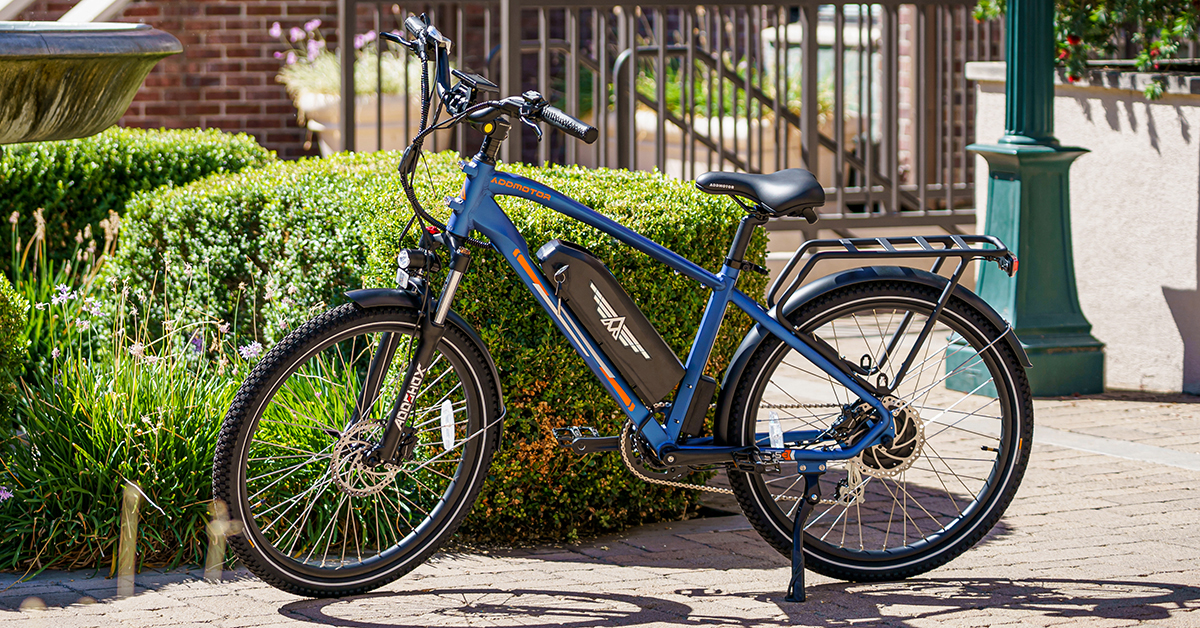
File:Electric bike for commuting.jpg – Wikimedia Commons
