
In the evolving landscape of sustainable mobility, understanding e bike legislation is crucial for riders, manufacturers, and policymakers alike. As electric bikes continue to surge in popularity, governments worldwide are updating rules to ensure safety, promote eco-friendly transport, and integrate these vehicles into existing infrastructure. In 2025, e bike legislation has seen significant changes, from stricter power limits and helmet mandates to new incentives for adoption. This comprehensive guide breaks down the key aspects of e bike legislation across major regions, highlights recent updates, and offers practical advice for staying compliant. Whether you’re a daily commuter, recreational rider, or business owner, staying informed about e bike legislation can help you ride confidently and avoid fines.
E bike legislation typically classifies e-bikes into categories based on motor power, speed, and assist type—such as Class 1 (pedal-assist up to 20 mph), Class 2 (throttle-assisted up to 20 mph), and Class 3 (pedal-assist up to 28 mph). These classifications determine where you can ride, age restrictions, and required safety gear. With advancements in battery tech and urban planning, 2025 has brought refinements to address safety concerns like battery fires and pedestrian interactions. Let’s explore the history, regional variations, and future trends in e bike legislation.
The Evolution of E Bike Legislation: From Niche to Mainstream
E bike legislation has roots in the early 2000s when electric bikes first gained traction as an alternative to traditional bicycles and scooters. Initially, many countries treated them as mopeds, requiring licenses and registration. However, as technology improved and adoption grew, dedicated laws emerged to differentiate e-bikes from motorized vehicles.
In the US, the 2002 federal law defined low-speed e-bikes (under 750W and 20 mph) as consumer products, not motor vehicles, paving the way for state-level variations. The EU standardized e bike legislation in 2017 with EN 15194, capping pedal-assist at 250W and 25 km/h. Australia and Canada followed suit with similar power and speed limits to encourage safe use.
By 2025, e bike legislation has evolved to tackle new challenges. Updates include mandatory UL-certified batteries to prevent fires, age restrictions for higher-class models, and incentives like tax credits. For instance, global efforts focus on harmonizing rules for international trade while addressing urban congestion. This shift reflects the growing role of e-bikes in reducing carbon emissions and promoting active lifestyles.
https://powerpedalse-bikes.com
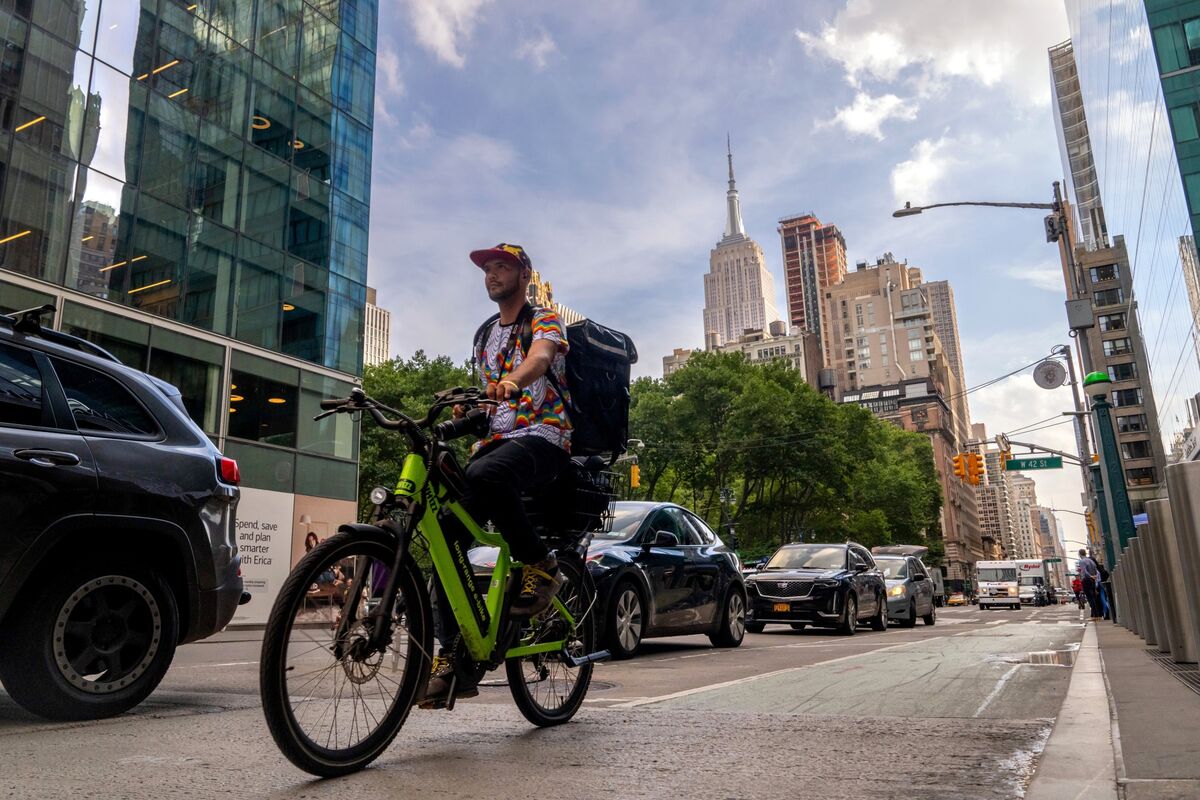
New York City Weighs E-Bike Licenses Amid Safety Concerns – Bloomberg
E Bike Legislation in the United States: State-by-State Updates for 2025
The US leads in e-bike adoption, but e bike legislation varies by state, with federal guidelines providing a baseline. In 2025, many states have updated rules on trail access, helmets, and power limits to enhance safety.
- Federal Overview: E-bikes under 750W and 20 mph (Class 1/2) or 28 mph (Class 3) are not considered motor vehicles. New 2025 regulations emphasize lithium-ion battery safety, with the CPSC pushing for standards to prevent fires. Tax credits up to $1,500 encourage purchases.
- Key State Changes:
- New York: Effective 2025, e-bikes over 3,500W require registration and insurance; a driver’s license is needed for high-power models. No license for standard e-bikes, but speed limits are enforced on sidewalks.
- California: Helmets mandatory for under 18; Class 3 restricted to roads. 2025 updates ban throttles on Class 3 and cap continuous power at 750W.
- Florida: No helmet laws, but Class 3 limited to 35 mph roads. New tax incentives for e-bikes.
- New Jersey: Proposed bills in 2025 aim to redefine motorized bicycles, potentially removing classifications and requiring more oversight.
Overall, 2025 US e bike legislation emphasizes helmet use for minors, trail access protections, and minimum engagement thresholds. Riders should check local ordinances, as cities like NYC are considering e-bike licenses amid safety concerns.
It’s Safe Streets Week, and we’re taking this time to highlight e …
E Bike Legislation in the European Union: Strict Standards for Safety
EU e bike legislation is among the most uniform, governed by harmonized standards. In 2025, the focus remains on 250W power caps for pedal-assist e-bikes (EPACs), with speeds up to 25 km/h. S-pedelecs (up to 45 km/h) are treated as mopeds, requiring insurance, helmets, and licenses.
- Key Updates: New battery safety regulations under the EU Battery Directive mandate recyclable materials and fire-resistant designs. Helmet rules vary: mandatory for S-pedelecs across the bloc, optional for standard e-bikes in most countries but required for minors in places like Germany (under 15).
- Country-Specific Notes:
- Germany: Minimum age 15; helmets for S-pedelecs.
- France: E-bikes banned on sidewalks; fines for non-compliance.
- Switzerland: From July 2025, light motorcycles (up to 500W) have updated speed limits.
EU e bike legislation promotes cycling infrastructure, with grants for e-bike purchases in urban areas.
E Bike Legislation in Australia: Power and Speed Focus
Australian e bike legislation aligns with EU standards, capping power at 250W for pedal-assist and 200W for throttles, with max speeds of 25 km/h. No license required, but helmets are mandatory nationwide.
- 2025 Changes: Emphasis on UL-certified batteries; some states restrict e-bikes on footpaths. New South Wales updated power limits in 2023, influencing 2025 enforcement. Riders must follow road rules, with fines for excessive speeds.

NYC Mayor Eric Adams Wants 15 MPH Speed Limit for E-Bikes – The …
E Bike Legislation in Canada: Provincial Variations
Canada’s e bike legislation is provincial, with a federal 500W cap and 32 km/h speed limit. Helmets are required in most provinces.
- Updates for 2025: British Columbia and Ontario strengthened trail access rules; no registration needed for standard models. Cargo e-bikes gain popularity with relaxed payload rules.
Global Trends in E Bike Legislation: Safety, Incentives, and Challenges
Worldwide, 2025 e bike legislation trends include:
- Battery Safety: Bans on non-UL batteries to curb fires.
- Incentives: Tax rebates in the US and EU.
- Challenges: Sidewalk bans in many countries; age limits tightening.
Asia (e.g., China at 400W) and other regions adapt similarly.
🚲⚡ E-Bike Safety Reminder ✓ Know the Rules • E-bikes are …
Safety Tips and Compliance Under E Bike Legislation
To comply with e bike legislation:
- Wear helmets where required.
- Stick to designated paths.
- Maintain bikes regularly.
- Use certified chargers.
Frequently Asked Questions About E Bike Legislation
Do I need a license for an e-bike in 2025?
Usually no for standard models, but yes for high-power in some areas.
What’s the speed limit under e bike legislation?
20-28 mph in US, 25 km/h in EU/Australia.
Are e-bikes allowed on sidewalks?
Varies; often banned in Europe/US cities.
What are the new 2025 battery rules?
Focus on UL certification for fire safety.
How does e bike legislation affect trails?
Many allow Class 1; restrictions on higher classes.
Conclusion: Stay Ahead with E Bike Legislation Knowledge
As e-bikes transform transportation, keeping up with e bike legislation ensures safe, legal riding. From US state tweaks to EU standards, 2025 emphasizes safety and sustainability. Check local rules, invest in compliant gear, and enjoy the ride responsibly.
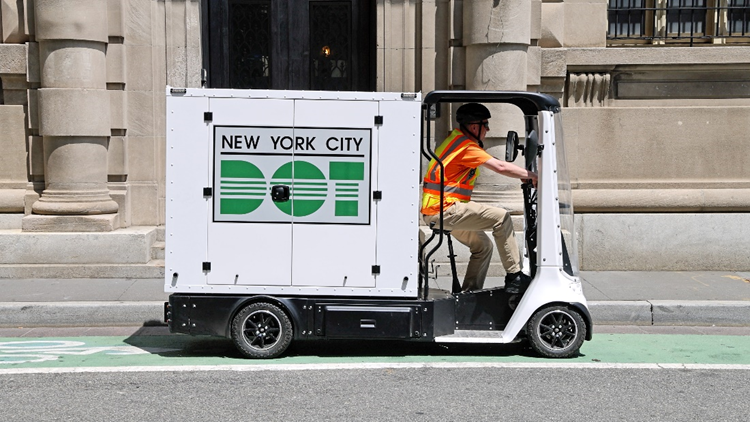
NYC DOT Authorizes the Use of E-Cargo Bikes on City Streets and …
